
Last updated November 14, 2026
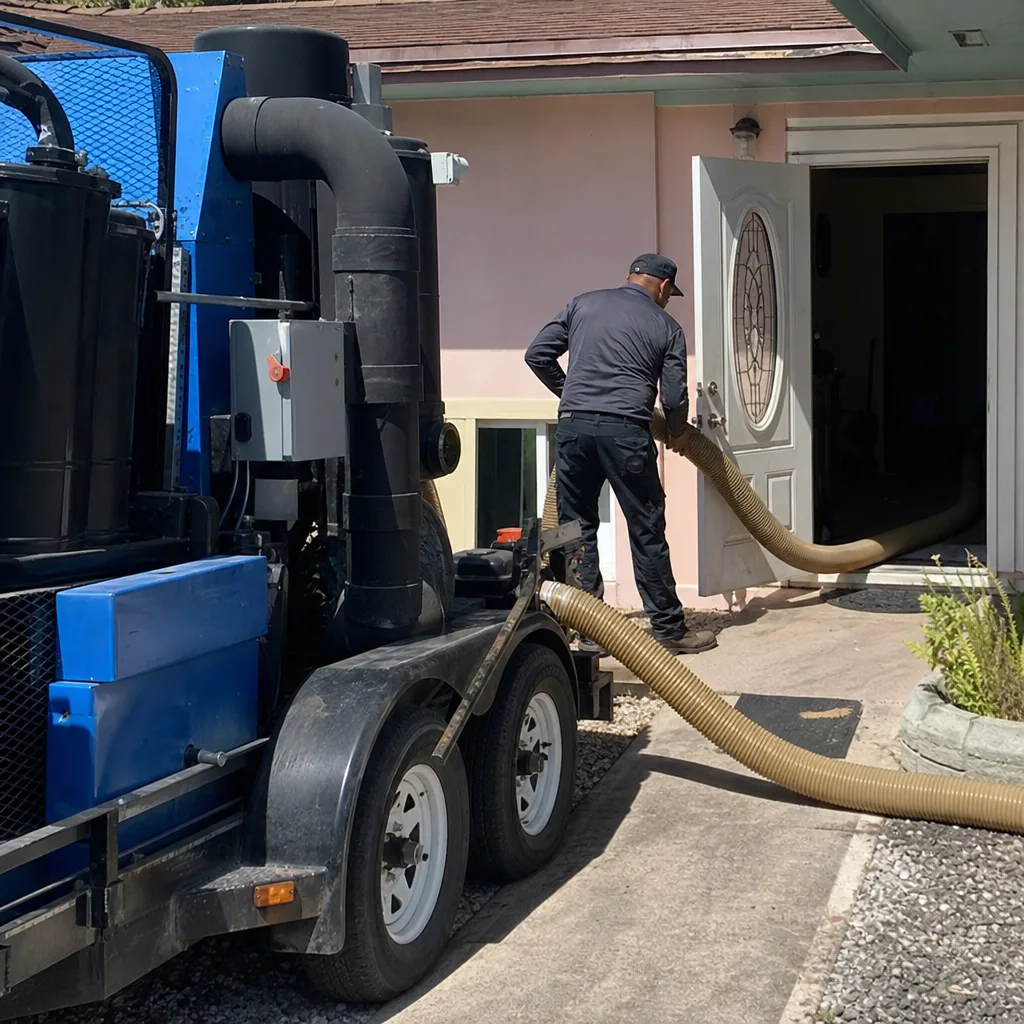
 Whole-home duct cleaning
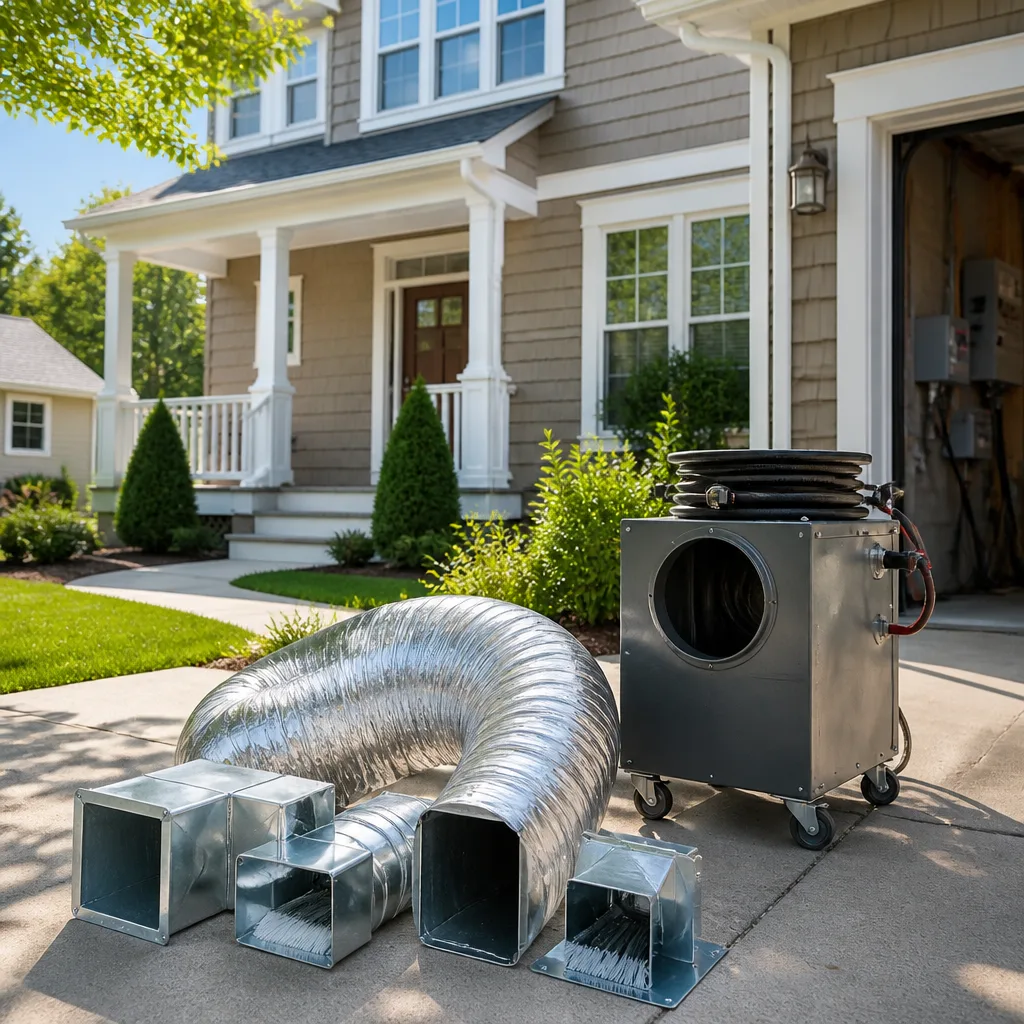
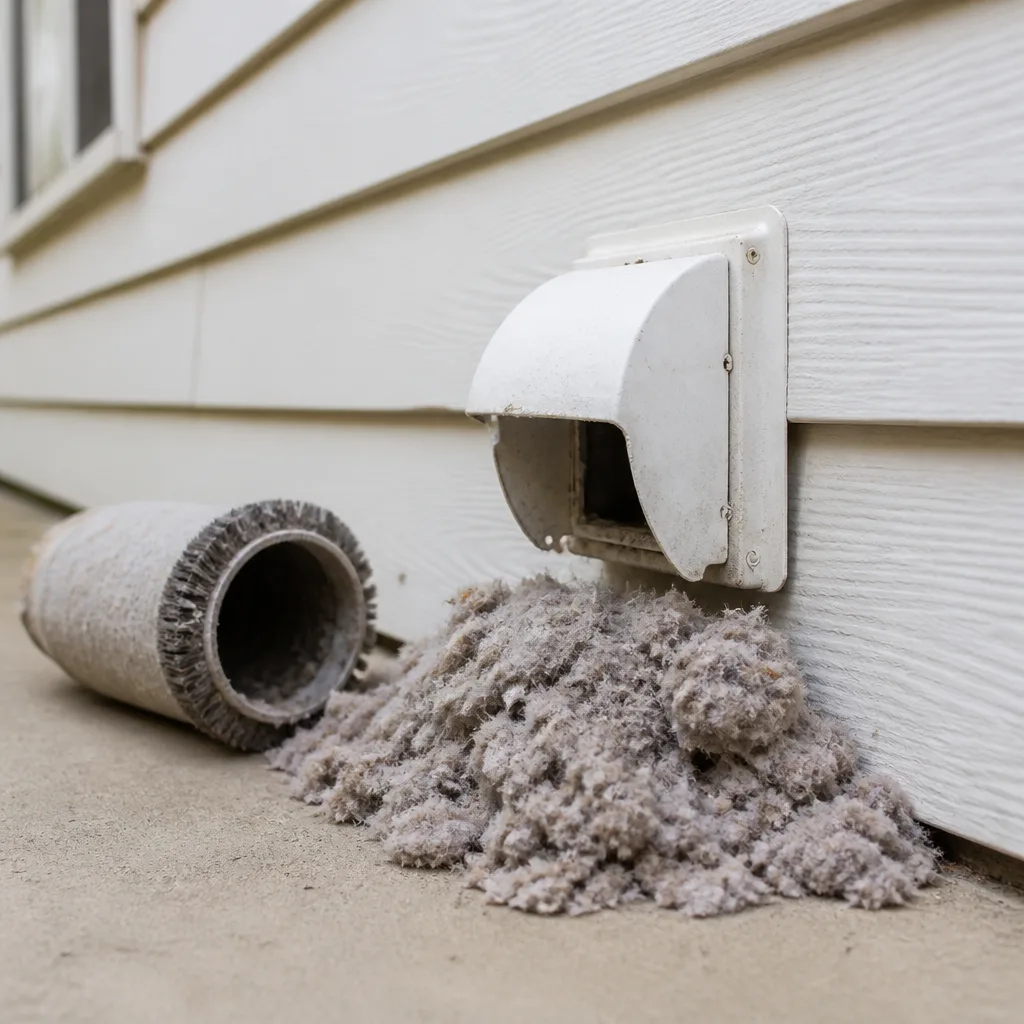 Dryer vent cleaning
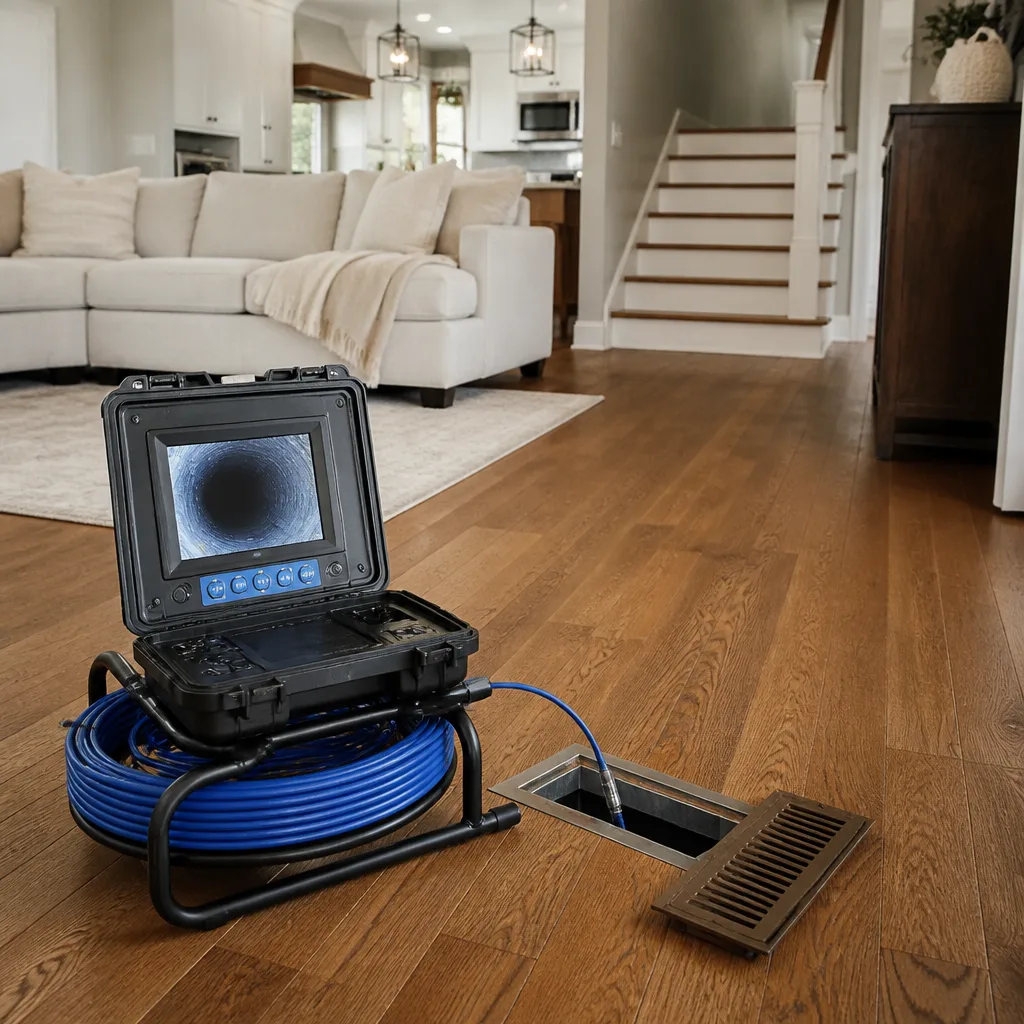 Camera inspection
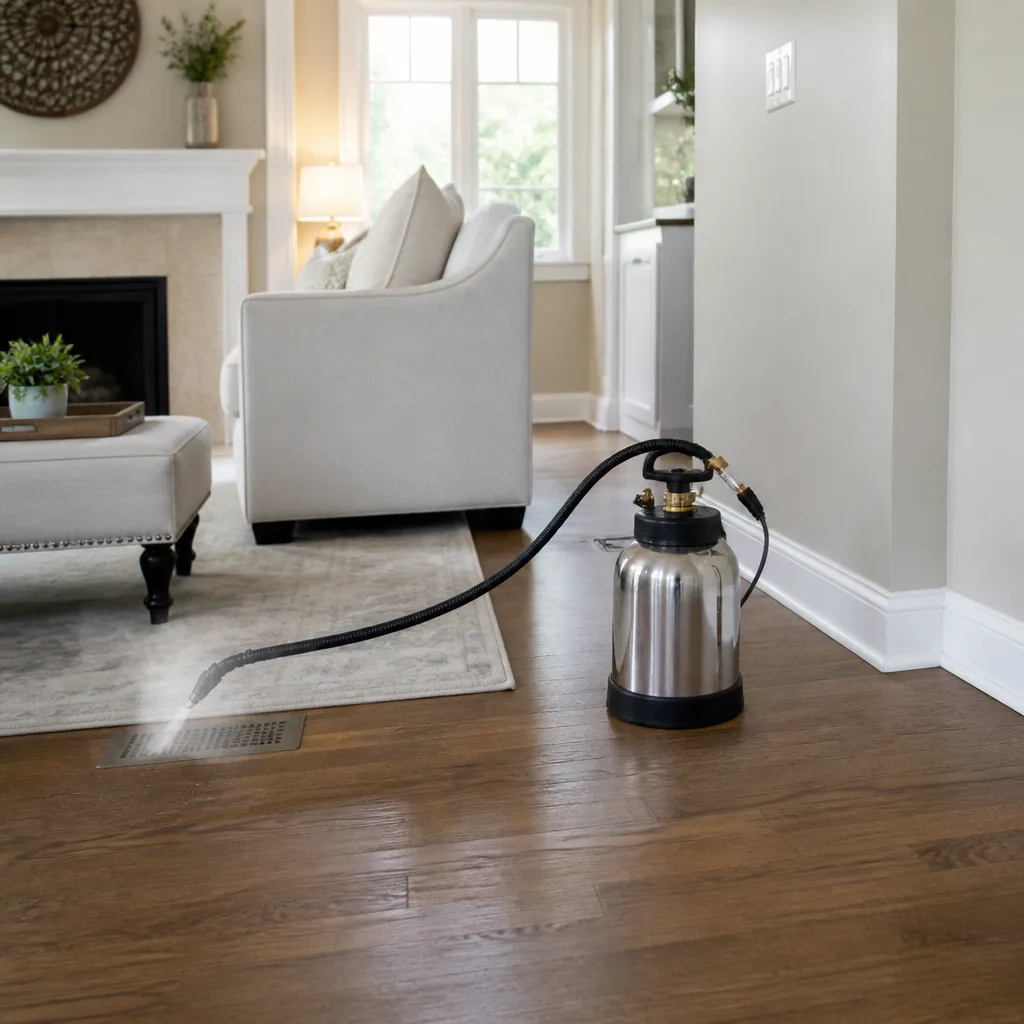 Sanitizing & deodorizing
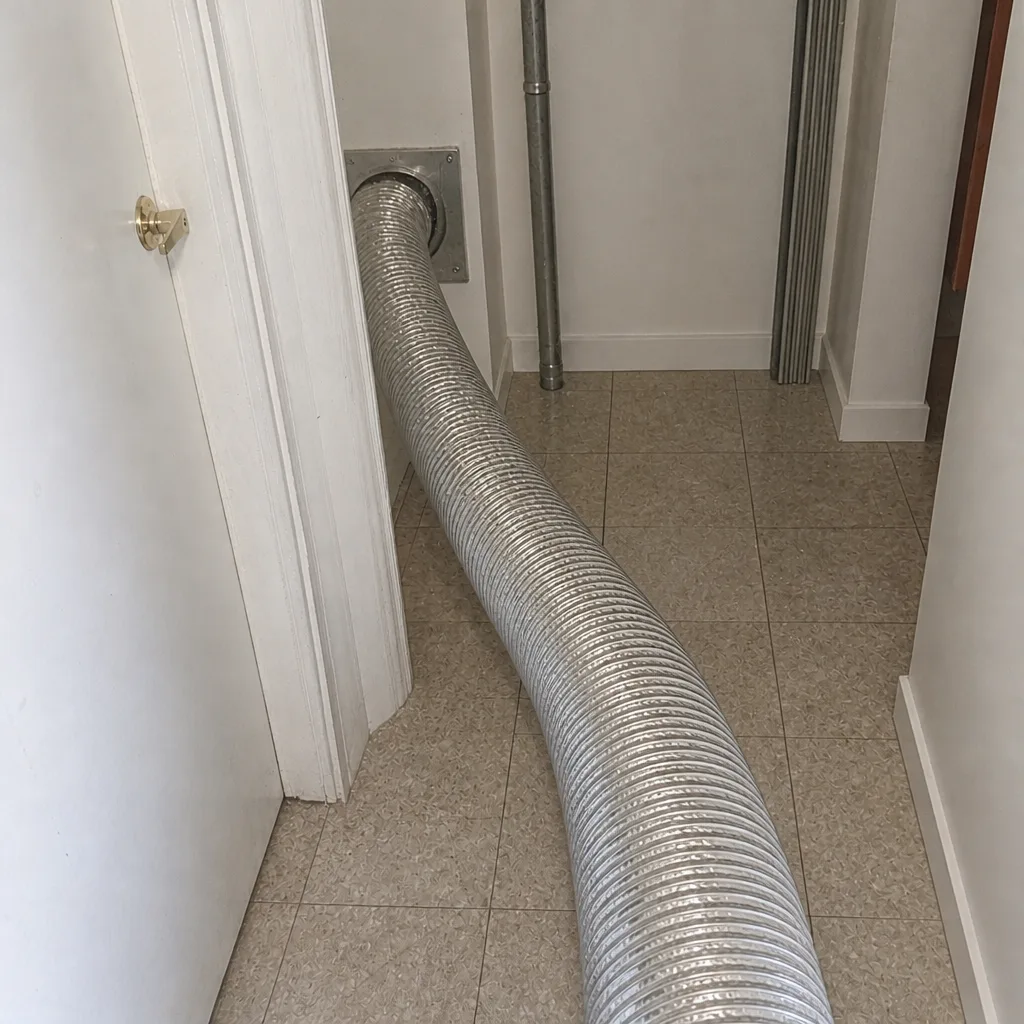
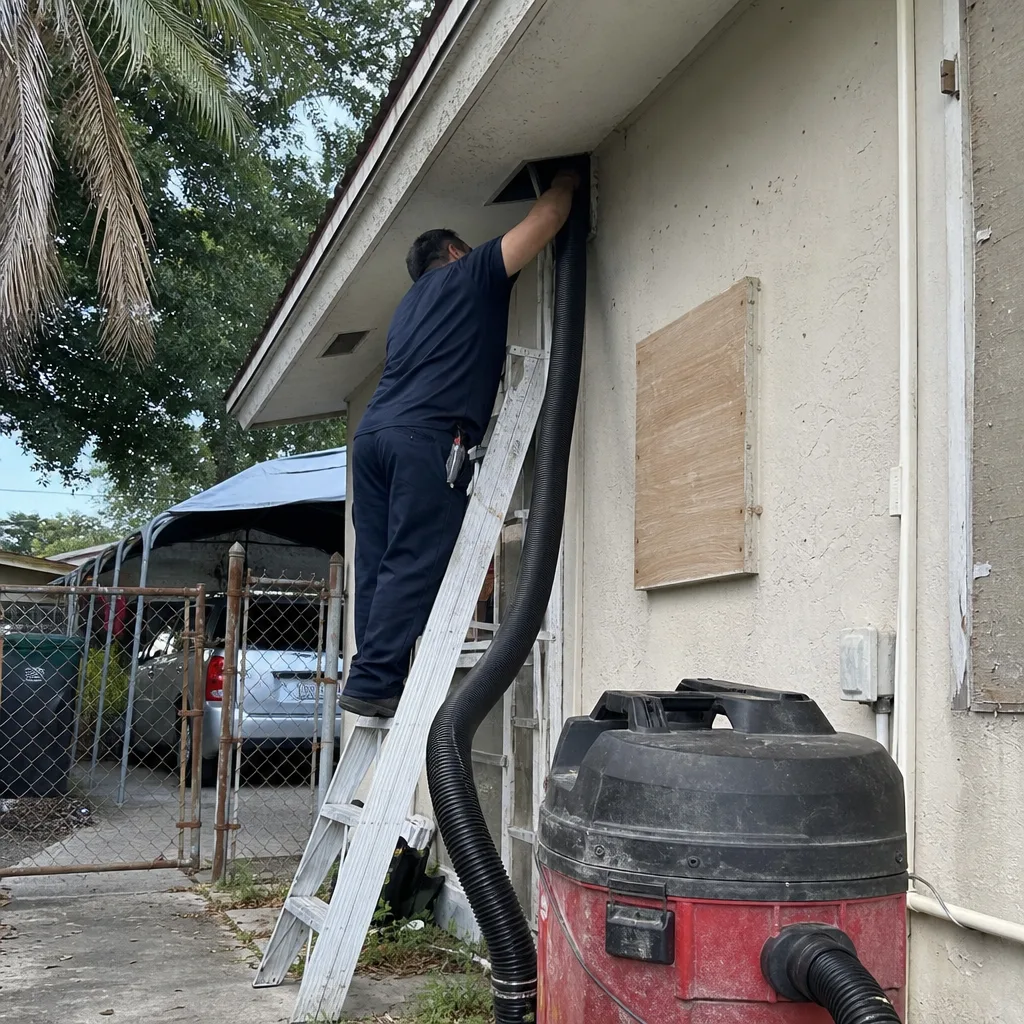
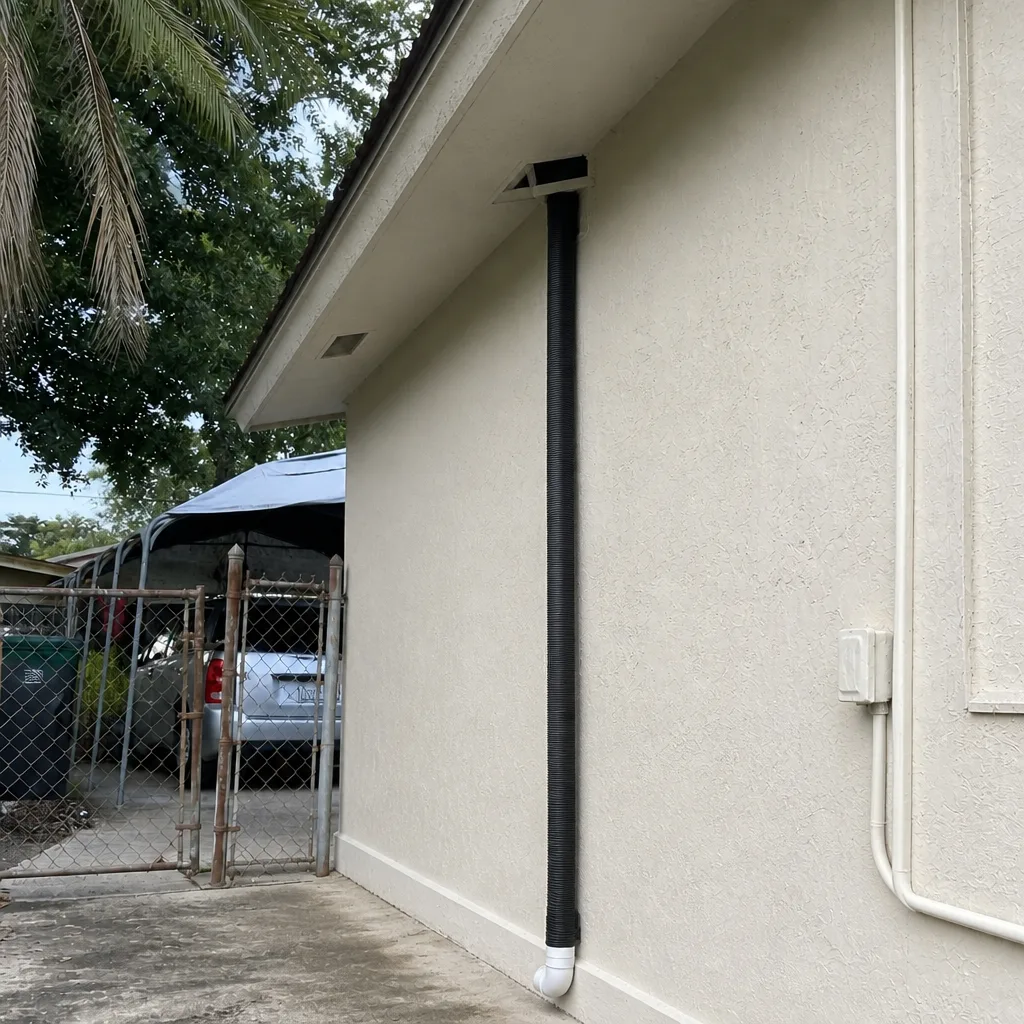
Whole-system duct and dryer vent check with before-and-after photos - you see exactly what came out of your vents
That "$99 whole-house special" is a bait ad - the real number appears once they are in your hallway, or the "clean" is a shop-vac at the register. We photograph the inside of your ducts before and after instead.
Seasonal Air Duct Cleaning Care for Miami Gardens: Year-Round Homeowner’s Guide
Most advice about duct cleaning assumes a four-season climate, where the furnace runs half the year and the air conditioner runs the other half. Miami Gardens doesn’t work that way. Your AC runs hard for months on end, and the real question isn’t “spring or fall” – it’s which of two contamination windows you’re standing in and what kind of service that window calls for. Here’s the part almost nobody circles on the calendar: late October is when we find the most active growth inside residential ductwork, because five humid months of continuous moisture cycling have finally had time to show their work. This guide maps the local year so you can time service for the impact that actually lasts, instead of calling whenever a coupon shows up in the mailbox.
Quick Answer
The best time of year for air duct cleaning in Miami Gardens is the dry season, roughly December through March, when lower ambient humidity means ducts dry properly after cleaning and stay cleaner longer. But timing alone isn’t the whole story. The two windows that matter most are late October through November, when you want an inspection to catch post-rainy-season conditions inside the system, and April through May, when cleaning and sealing ahead of storm season keeps debris from finding a path into your ducts. Deep cleaning lands best in the dry months; inspection and preparation bookend the wet ones.
Styles & brands we work with
- Whole-home duct cleaning
- Dryer vent cleaning
- Camera inspection
- Sanitizing & deodorizing
Table of Contents
- Why Miami Gardens Doesn’t Have One “Best Month” for Duct Cleaning
- Late October Through November: The Post-Rainy-Season Inspection Window
- April and May: Pre-Season Sealing Before Storms Open the Door
- Post-Storm Protocols: When Debris Means Cleaning, When It Doesn’t
- December Through March: The Deep-Cleaning Window
- Staggering Filters, Coils and Duct Cleaning on One Annual Schedule
- Warning Signs Your Duct System Needs Attention Between Seasons
Why Miami Gardens Doesn’t Have One “Best Month” for Duct Cleaning
In colder parts of the country, duct cleaning has a natural rhythm: the heating season does the heavy lifting, and late spring or early fall is a tidy bookend. South Florida doesn’t offer that tidy bookend. The cooling system here is a moisture machine as much as a temperature machine, and the calendar splits into distinct phases with different failure modes.
Think of it as two contamination windows rather than one cleaning season. The first opens during the rainy months, when humidity is high, the AC is cycling constantly, and condensate is present inside equipment and at every seam where cool air meets warm. The second opens when storms arrive, when wind-driven debris, insulation fibers and construction dust move through openings that a sealed system wouldn’t have. Each window calls for a different response. A cleaning done in a dry month is efficient and lasts; a cleaning done in the wrong month can be undone before the season turns.
There’s also the reality of Miami Gardens housing stock. The city grew fast through the 1960s and 1970s and has kept adding neighborhoods since, from the older blocks near Bunche Park and Scott Lake to the newer builds around Norland and Miami Gardens Drive. Older homes often have original or heavily patched duct runs – flex duct sagged where it wasn’t supported, joints taped decades ago and now curling, returns that were never sized for what the house needed. Newer homes tend to be tighter, which sounds good but means a contamination problem inside the system recirculates with less dilution. In both cases, what’s happening inside the ductwork is a product of the local calendar, not a generic “clean every few years” rule.
Our advice for anyone trying to plan: stop thinking about one perfect appointment and think about two anchors. One anchors the inspection, one anchors the deep clean. Everything else on the schedule – filters, coils, outdoor units – hangs off those two dates.
Late October Through November: The Post-Rainy-Season Inspection Window
This is the window most homeowners miss. By late October, the system has been managing moisture through a long, humid stretch, and any surfaces inside the ductwork that stay damp and warm have had time to change. What we look for at this stage is specific: visible staining or discoloration on duct interiors where the camera passes, musty odor that returns a day after running the fan, condensation traces near interior fittings or at the air handler cabinet, and evidence of standing particulates that have clumped rather than dusted. Those signals look different at the end of a humid season than they do in January.
An inspection here is quick and diagnostic. Here’s how a professional assessment goes:
- Confirm what the system actually is – how many returns, where the main trunks run, whether sections are flex or rigid, and where previous modifications were made.
- Run a camera through the main trunk and representative branches to see interior surfaces, not just the register openings.
- Check the air handler cabinet, the filter rack and the first few feet on the return side, which is where most interior conditions first show.
- Test airflow at registers to spot a disconnected or crushed run that cleaning alone wouldn’t fix.
- Note anything that needs repair before cleaning, since cleaning a system with a breach spreads dust rather than removing it.
Why this month and not January? Because if there is active growth somewhere in the system, you want the conversation to happen at the end of the humid season, when you still have months of dry weather to correct it and confirm the fix holds. Inspecting in the wet months and cleaning in the dry months is a sequence that compounds. By the time you get to the deep clean, you already know whether the job is straightforward cleaning or whether a repair needs to happen first.
For anyone new to the area, or anyone who inherited a system of unknown history, this is the window we’d point at. If you’ve never had the ductwork assessed, our air duct cleaning service starts with exactly that assessment before any equipment comes off the truck. The point of the October inspection isn’t to sell a cleaning – it’s to give you a clear picture of where your system stands before you commit to one.
April and May: Pre-Season Sealing Before Storms Open the Door
Storm season brings wind, and wind finds openings. In a house, the most overlooked openings often run through the duct system. A return that pulls from a garage, an attic penetration where flex duct was pulled through a rough opening without a proper seal, disconnected joints on the far end of a run – these become paths. When pressure outside changes sharply, dirty air and debris can be pushed into places the system was never designed to defend.
What cleaning and sealing accomplish in April and May is easy to state plainly. Cleaning removes the loose material sitting inside the ductwork, which is material that has nothing good to do during a storm. Sealing closes the gaps so debris that moves through the attic or crawl space during high wind has no easy route into the living space. Neither step is exotic. Both matter more than most homeowners realize.
What a pre-season service typically covers:
- Full assessment of every accessible run, with particular attention to attic and soffit penetrations where wind-driven material can enter.
- Cleaning of the supply and return sides, including the air handler cabinet and the filter rack area.
- Sealing of disconnected or unterminated runs and any joints that have lost their tape.
- Reconnection of flex runs that have pulled free of their collars, which is a common find in older Miami Gardens homes.
- A documented set of before-and-after photos, so you know what was found and what was fixed.
This is also the window where Air Duct Repair earns its keep. A cleaning-only company will clean around a collapsed run and hand you a receipt; if the run is crushed or disconnected, cleaning doesn’t actually restore anything. We’re set up to find those problems and correct them in the same visit, using professional-grade equipment rather than improvised tools. That’s a meaningful difference when the schedule matters and the season is about to turn.
Post-Storm Protocols: When Debris Means Cleaning, When It Doesn’t
After a storm, the honest answer is usually: it depends. Not every post-storm system needs cleaning, and the difference matters. Here’s how the diagnosis goes in practice.
Cleaning becomes necessary when there’s evidence that material has entered the ductwork: visible insulation fibers at register openings or inside the air handler, construction dust from building repair work, fine grit or drywall dust on return grilles and inside the cabinet, or clearly compromised seals that would have allowed entry. If a home has had roof work, drywall repair or window replacement after a storm, dust infiltration is common even without a single visible opening in the ductwork itself.
Cleaning may be precautionary when the system looks intact and there’s no obvious sign of infiltration, but the house sat through significant wind and the homeowner has no prior inspection to compare against. In that case, an inspection comes first, and cleaning follows only if the inspection finds something.
What tends to enter a system during storm season, in our experience, is a short list: insulation fibers from disrupted attic material, construction dust from post-storm repair work, wind-driven grit that finds weak joints, and in some cases moisture that makes it past a compromised seal. Once inside, that material doesn’t leave on its own. Every cycle of the system redistributes it, and the air handler cabinet tends to collect the concentration.
This is where equipment choice stops being a marketing point and starts mattering. Post-storm cleaning needs real containment – you don’t want material stirred up in the living space while it’s being removed from the system. That’s why we run Oasis Air Duct jobs with Rotobrush rotary-brush systems paired with Nikro HEPA-filtered vacuums and Abatement Technologies filtration equipment for heavier, remediation-level containment. The same platforms commercial and remediation contractors use. Homeowners researching this already recognize the names, and that’s exactly the point – the equipment is verifiable, not proprietary marketing.
December Through March: The Deep-Cleaning Window
This is when we’d schedule deep cleaning if you want the result to hold. The logic is simple: lower ambient humidity means duct interiors and equipment have a better chance to dry fully after cleaning, and materials that dry completely are less receptive to what the wet season would otherwise leave behind. Cleaning in the dry months isn’t just more comfortable for the crew. It buys you a longer clean period before the humid season tests the system again.
What a deep cleaning actually involves, so you know what you’re paying for:
- The system is mapped first – returns, supplies, trunks, branches, and where every accessible run goes.
- Negative pressure is established with a HEPA-filtered vacuum so loosened material is captured rather than released into the room.
- Rotary-brush agitation is run through each branch and trunk, with the right brush for the material (flex duct gets a gentler pass than rigid metal).
- The air handler cabinet, filter rack and blower compartment are cleaned and inspected for the source of any recurring particulates.
- Every register is cleaned and reinstalled, and any dislodged insulation or failed joint found along the way is documented.
- Before-and-after photos of your own system are captured so you can see what was found and what changed.
One honest note about “how often.” There isn’t a universal interval. A home with pets, recent renovation work, or an allergy-sensitive household usually needs attention sooner than a quiet household with a well-sealed system. The right cadence comes from the inspection, not a blanket rule. What we can say is that doing the deep clean in December through March, and the inspection in October, tends to put a homeowner on a schedule that stays ahead of the problem instead of chasing it.
This is also the window where integrated IAQ work makes sense rather than getting tacked on later. Since we partner with Honeywell and Aprilaire, we can recommend whole-home filtration and ventilation as part of the same plan, so the clean you just paid for isn’t immediately undone by inadequate filtration. That’s a different conversation than duct cleaning alone, and it’s honest to say so.
Staggering Filters, Coils and Duct Cleaning on One Annual Schedule
The reason most homeowners feel like they’re always doing maintenance without ever getting ahead is that everything lands on the same week. Filters, coil cleaning, outdoor unit service and duct cleaning get jammed into one appointment, then nothing happens for a year. Spreading these across the local calendar lets each one do its job.
Here’s a Miami-calibrated annual rhythm that works for most homes:
- January through March: Deep duct cleaning. Dry conditions mean better drying and a longer-lasting result.
- April and May: Pre-season sealing and repair check. Any disconnections or breaches get corrected before storm season opens, and the outside unit gets a clean so it’s not fighting reduced airflow.
- June through September: Filter changes on a tighter cadence than the package recommends, because this is peak run time. Coil condition gets a look mid-season, since a dirty coil during the humid months strains the entire system.
- October and November: Post-rainy-season inspection. Camera check of the system, review of what the wet season left behind, and a documented comparison against the prior year.
- December: Post-storm review if a storm affected the home, and a plan for the coming dry season of cleaning.
The point is that these steps reinforce each other. Sealing in April means less debris gets in during storm season. Cleaning in January means the ducts start the wet season at their cleanest. Inspecting in October means you find problems while there’s still dry weather to fix them. When they’re stacked on one date, none of them get the attention they need. When they’re staggered, maintenance compounds.
Warning Signs Your Duct System Needs Attention Between Seasons
The calendar gives you a frame, but the system will tell you when it needs attention sooner. These are the signs we look for when a homeowner calls outside the schedule:
- Dust accumulating on surfaces faster than usual, particularly on horizontal surfaces near returns.
- A musty or stale odor that returns within a day of running the fan or turning the system on.
- Visible dust trails at register openings, or darkening on grilles that wipes off and comes right back.
- Uneven airflow between rooms, which often signals a disconnected or crushed run rather than dirt alone.
- Increased allergy symptoms indoors that ease when the system is off, particularly in a household that’s already sensitive.
- Recent renovation, roof repair or storm damage in the home, which is the single most common reason we get called outside the seasonal window.
Any one of these is worth a call for an assessment. Airflow problems in particular deserve attention before cleaning, since cleaning a system with a broken run doesn’t fix the airflow. Dryer vent cleaning is a separate matter but deserves the same discipline: lint accumulation in the vent line is a safety concern, not just a performance one, and it’s a distinct service rather than an upsell afterthought. That’s why our dryer vent cleaning is handled as its own safety-critical job.
Common Mistakes to Avoid
- Cleaning in the middle of the wet season and expecting it to stay clean. Cleaning in June means the system never gets to fully dry before the humid months test it again. Deep cleaning in the dry window is what makes the result hold.
- Skipping the inspection and going straight to the clean. If a run is disconnected or a joint is open, cleaning spreads dust instead of removing it. The October inspection exists so the cleaning is the right job.
- Treating duct cleaning as a yearly habit regardless of conditions. A quiet household with a sealed system may not need a deep clean on the same cadence as a home with pets or recent renovation work. Let the assessment set the schedule.
- Accepting a low teaser price and discovering the real total once the truck is in the driveway. In this trade, that pattern is the reason homeowners hesitate. Ask up front how the job is priced: one flat price per system, agreed before work begins, with no per-vent math revealed after the fact. That’s how we quote it.
- Ignoring the air handler and the filter rack. Most of what ends up in a home’s air passes through the cabinet first. A cleaning that skips it rarely resolves what the homeowner was actually worried about.
- Letting a storm-damaged run sit untouched. Wind can pull a flex run free of its collar without any visible sign inside the house. The airflow test in a proper assessment catches the ones you can’t see.
- Assuming “newer home” means “no ductwork concerns.” Tighter construction means the system recirculates with less dilution, so a contaminated run in a newer Miami Gardens home can show up in indoor air faster than it would in an older, leakier one.
See the difference
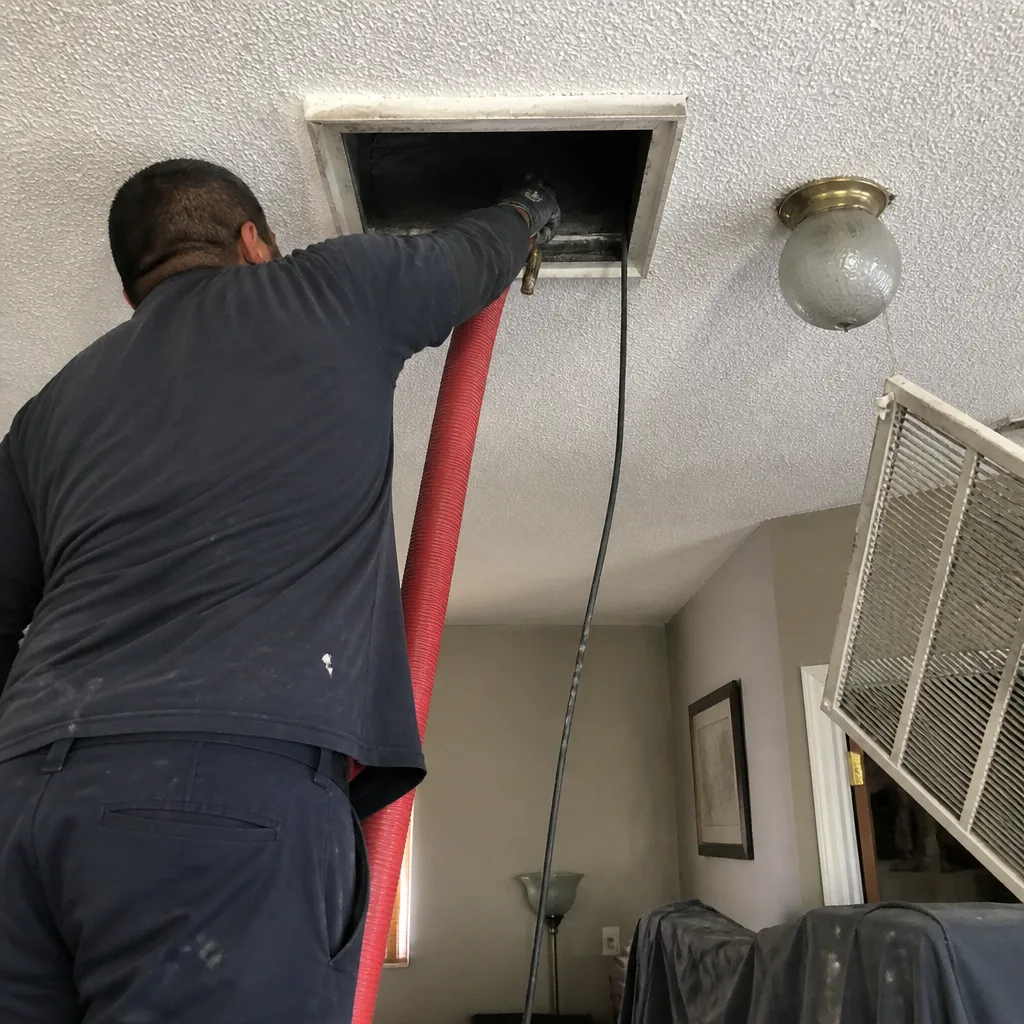 Before
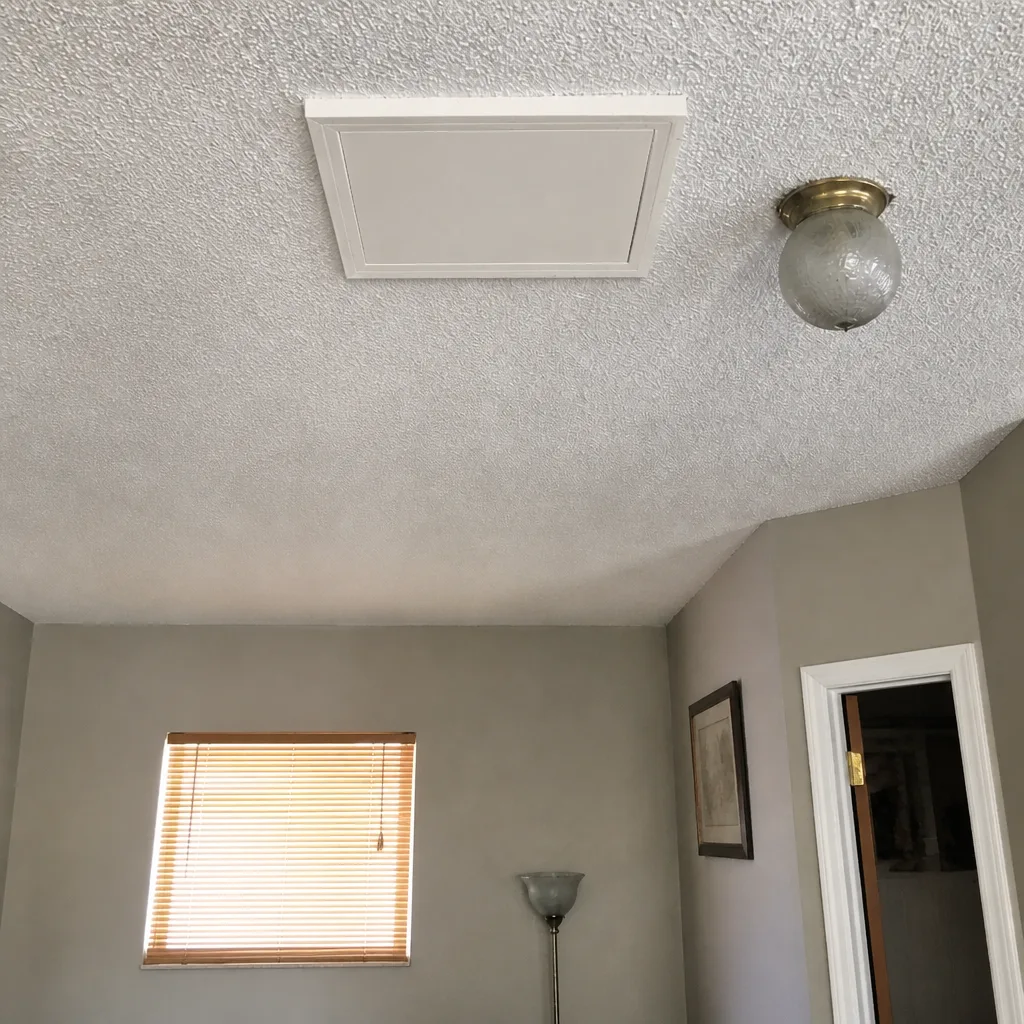 After
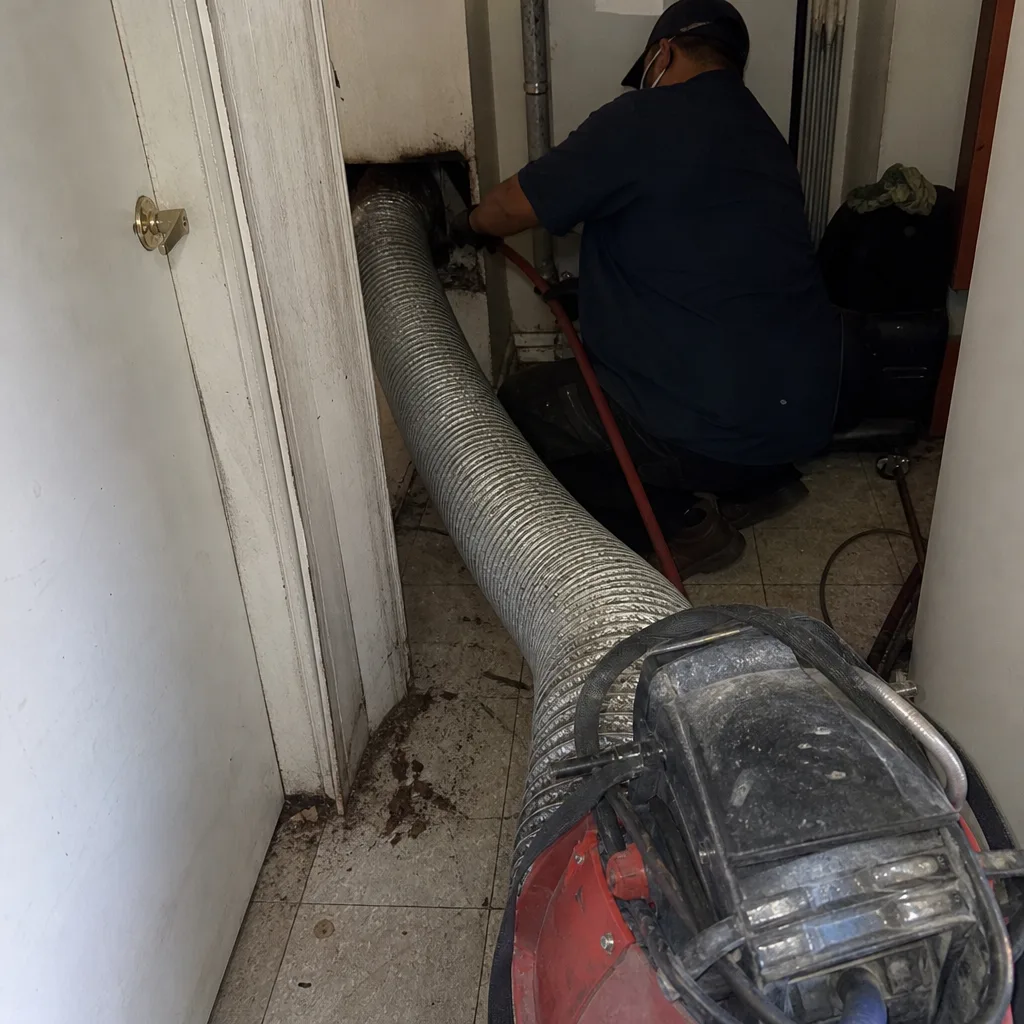 Before
 After
 Before
 After
When to Call a Professional
Call for an assessment when you see any of the warning signs above, when you’ve just moved into a home and don’t know the duct system’s history, when you’re preparing for storm season and haven’t sealed or inspected since the last one, or when someone in the household has respiratory sensitivities that seem tied to the AC. Call before you commit to any deep cleaning, so the inspection determines whether the job is cleaning, repair, or a quick all-clear. If your home is in Miami Gardens, we can take a look at the whole system – ducts, dryer vent and any repairs – in one assessment rather than sending you to three different companies. Free estimates in Miami Gardens are available: call (833) 384-3692. We answer 24/7. Fast dispatch from 7am to 7pm, Sunday through Friday.
Frequently Asked Questions
December through March is the best window for deep cleaning in Miami Gardens, because lower ambient humidity lets duct interiors dry fully after the work and reduces the chance of contamination returning quickly. October through November is the best window for inspection, and April through May is the best window for sealing and repair ahead of storm season. Call (833) 384-3692 for an exact quote – estimates are free.
There’s no universal interval, and the honest answer is that it depends on your household. A home with pets, recent renovation work or allergy-sensitive occupants typically needs attention more often than a quiet home with a well-sealed system. The reliable approach is to have the system inspected in late October after the humid season and let the findings set the cadence. Call (833) 384-3692 to schedule an inspection.
By October the AC has been cycling moisture continuously through a long humid stretch, and interior surfaces that stay damp and warm have had months to accumulate. The signs we look for at that point – staining on duct interiors, odor that returns after the fan runs, condensation traces near fittings – look different at the end of the humid season than they do in January. An inspection at that window catches conditions while the dry months are still ahead. Call (833) 384-3692 to book one.
No. A post-storm cleaning is necessary when there’s evidence material entered the system – insulation fibers, construction dust from repair work, or grit on return grilles – and precautionary when the system looks intact but you have no prior inspection to compare against. An inspection determines which situation you’re in. Call (833) 384-3692 for a free estimate on the assessment.
We set one flat price per system based on what the assessment finds, not a per-vent figure, and we agree it with you before any work begins. If the job needs a repair on a disconnected run, the estimate covers both so you aren’t surprised later. Before-and-after photos of your own system are part of every job. Call (833) 384-3692 for an exact quote – estimates are free.
Because they’re pricing a different job than the one your home needs. A low quote usually reflects consumer-grade tools and a visit that skims the openings rather than cleaning the runs. We arrive with Rotobrush and Nikro systems because a shop vacuum can’t reach inside a 30-year-old flex run and remove what’s actually in there. Ask any company how the work is priced and what equipment they’re bringing. Call (833) 384-3692 to compare quotes honestly.
The Bottom Line
Timing duct care in Miami Gardens isn’t about picking one perfect month. It’s about understanding that your system faces two different threats on different schedules, and each one needs the right response. Inspect in late October, when the humid season has had time to show what it’s done inside the system. Repair and seal in April and May, before storm season turns pressure changes into contamination routes. Deep clean in the dry months, when the result has the best chance to hold. Stagger filters, coils and cleaning so each step supports the next instead of overlapping. Do that, and your ductwork stops being a source of uncertainty and becomes a system you actually know the state of. Call (833) 384-3692 to schedule a free estimate.
Written by the team at Oasis Air Duct, serving Miami Gardens since 2013.