
Last updated November 14, 2026
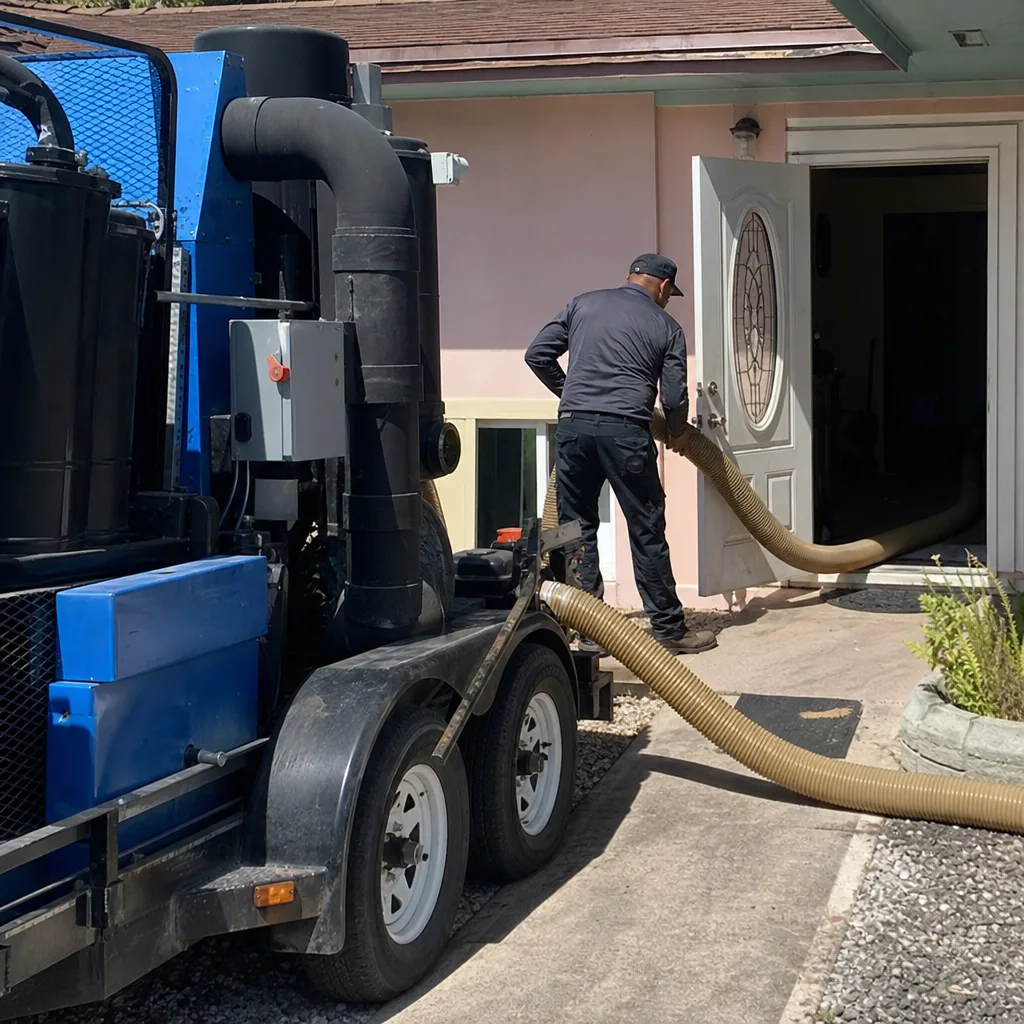
 Whole-home duct cleaning
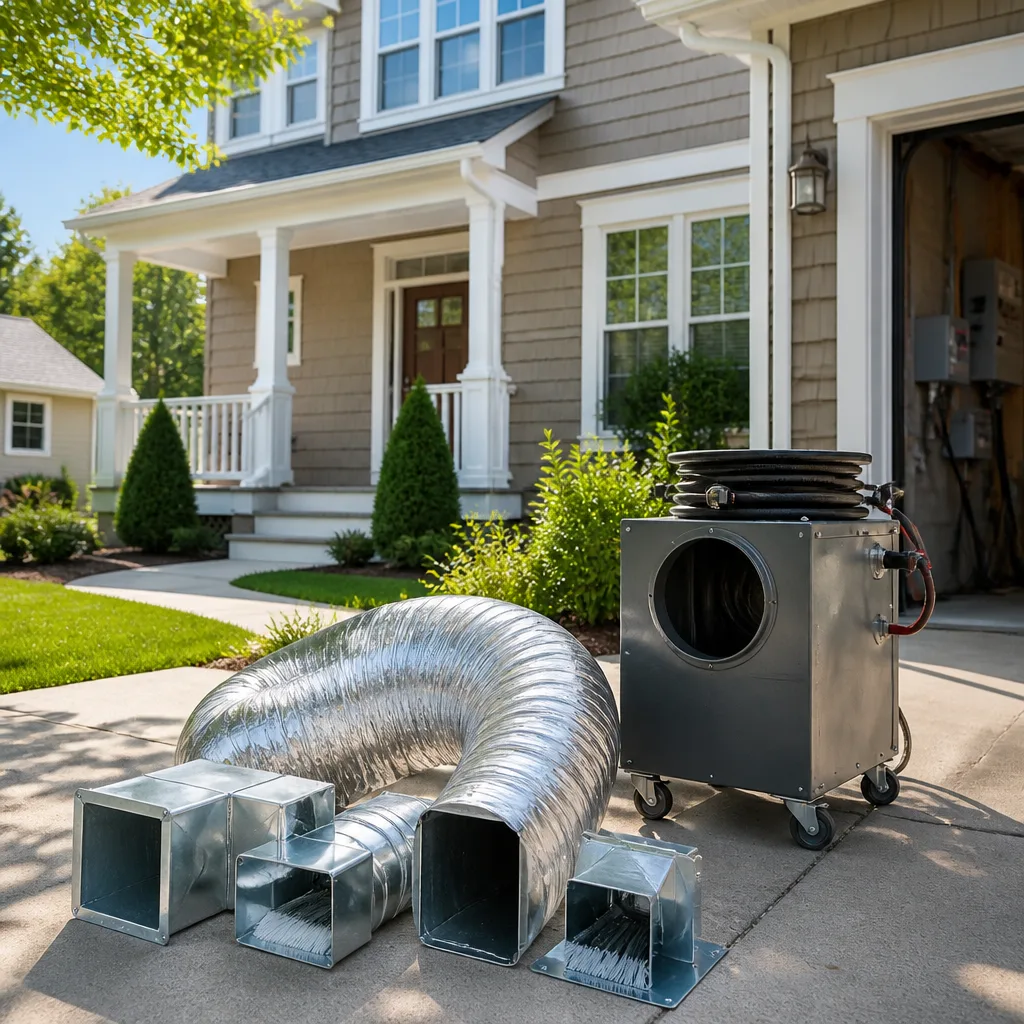
 Dryer vent cleaning
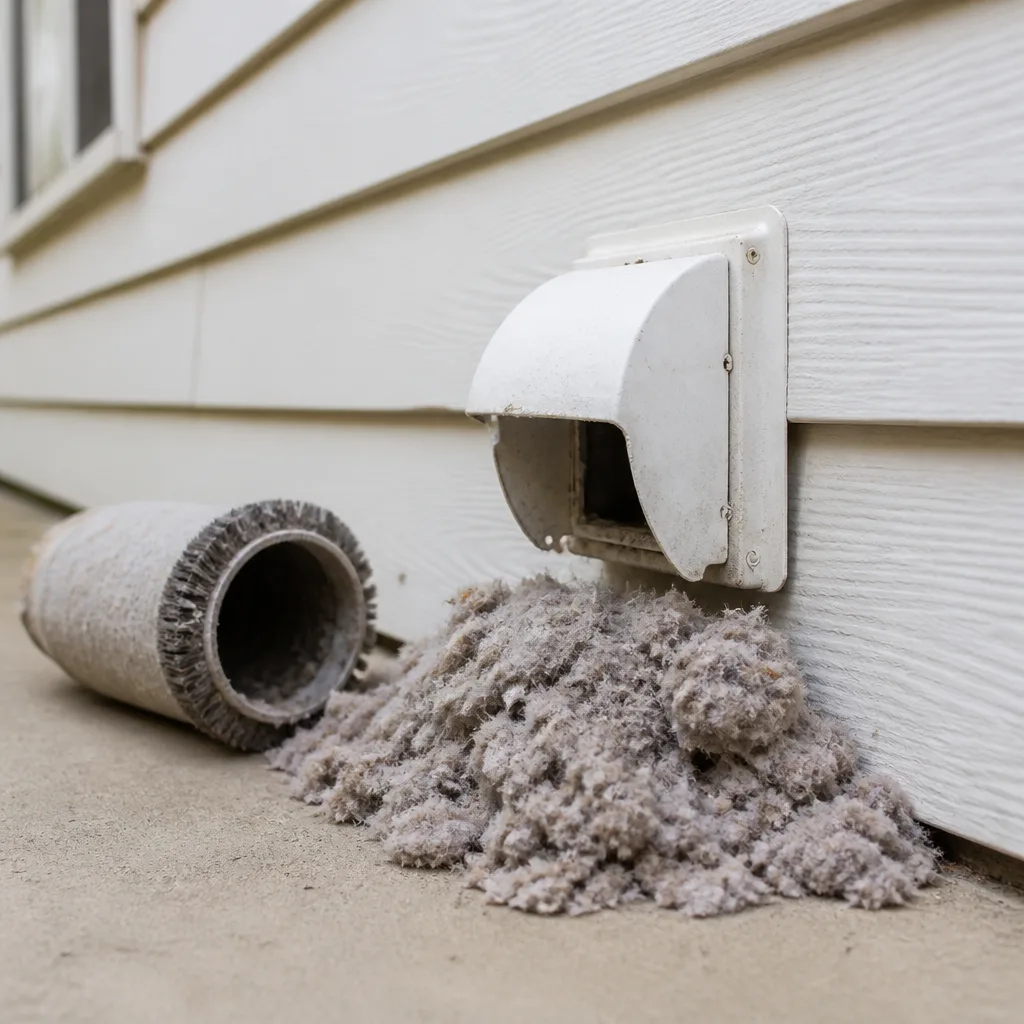
 Camera inspection
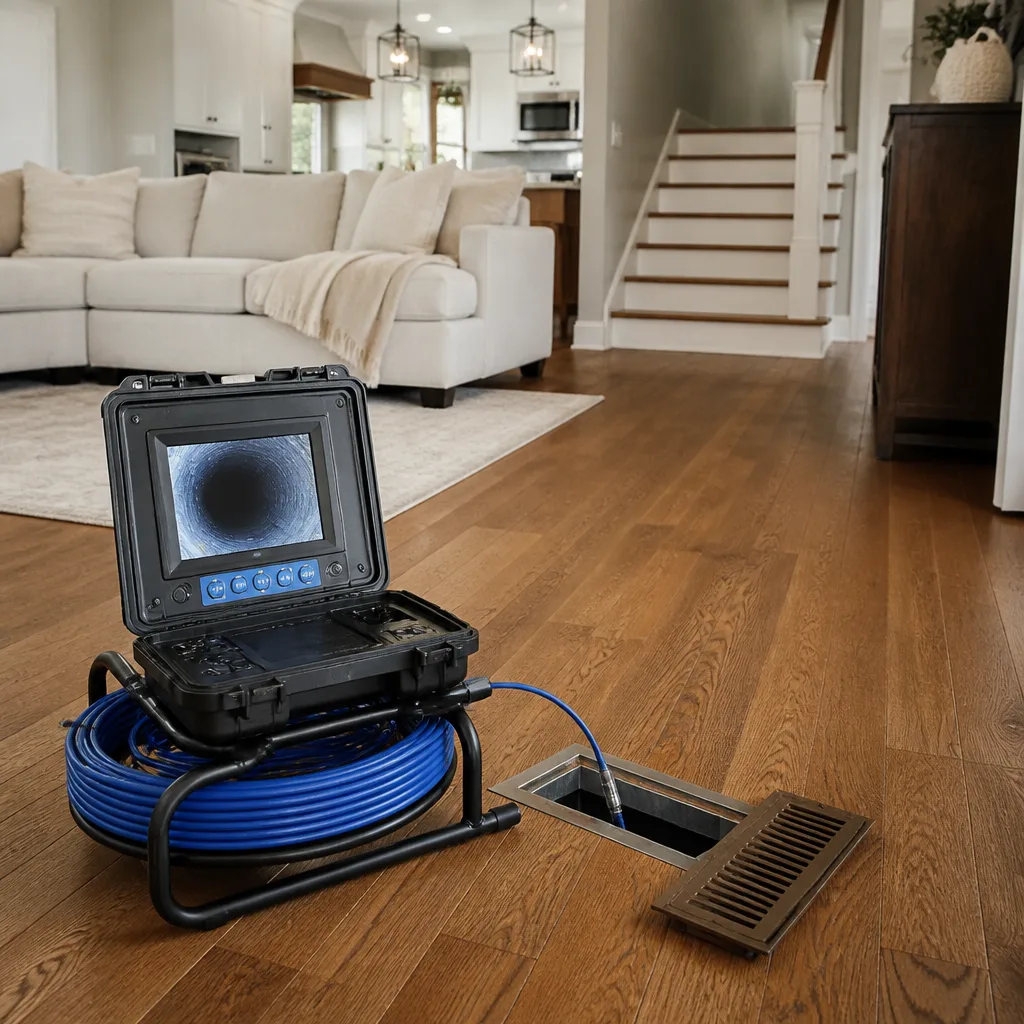
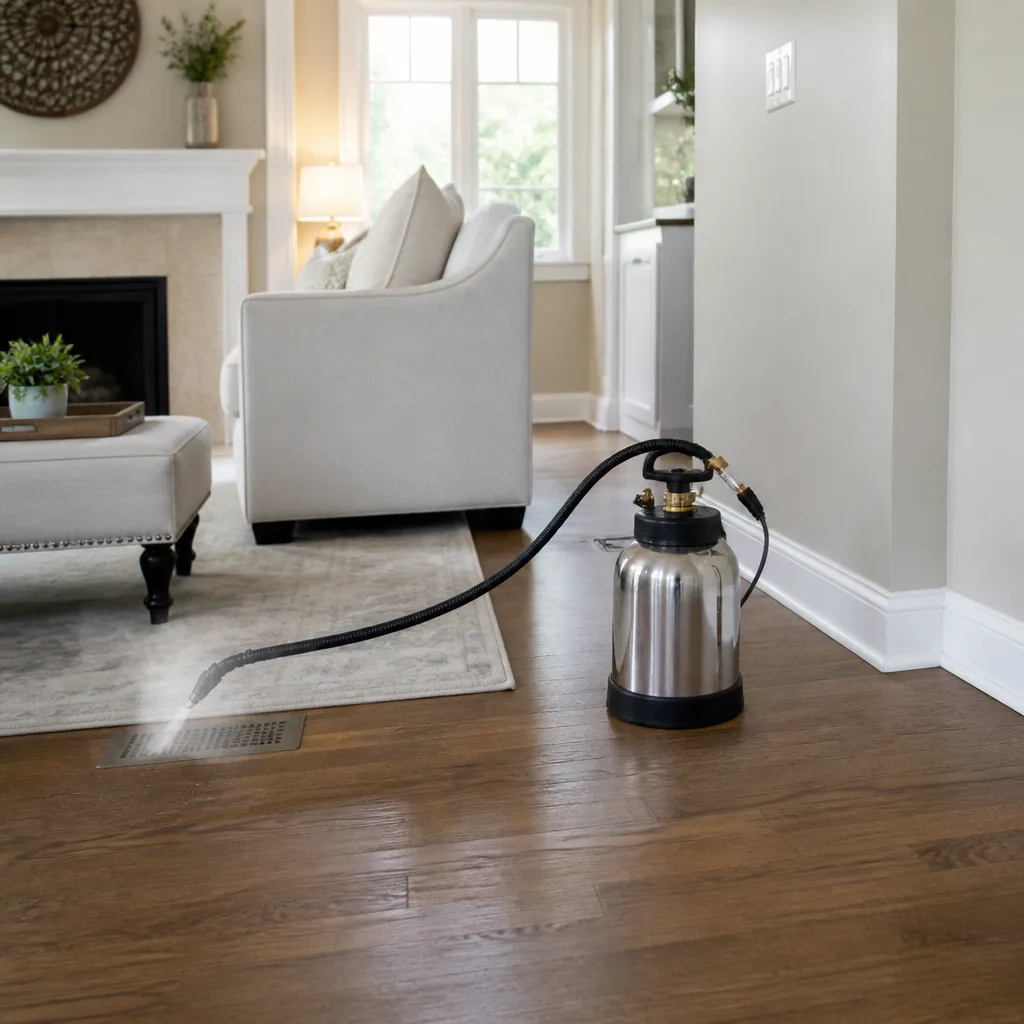 Sanitizing & deodorizing
Whole-system duct and dryer vent check with before-and-after photos - you see exactly what came out of your vents
That "$99 whole-house special" is a bait ad - the real number appears once they are in your hallway, or the "clean" is a shop-vac at the register. We photograph the inside of your ducts before and after instead.
Air Duct Cleaning Maintenance Checklist for Miami Gardens Homeowners
Most air duct maintenance checklists are written for a hypothetical homeowner in a temperate climate who runs their AC four months a year. If you live in Miami Gardens and you’re following that advice, you’re already six months behind. Here, the air conditioner runs nearly all year, the rainy season pushes humidity through the roof, and construction dust moves through neighborhoods in cycles. Your ducts collect all of it faster than a national guide assumes. This checklist is built around how Miami Gardens actually lives: a dry season, a rainy season, and a storm season that both interrupt normal maintenance. You’ll get a month-by-month rhythm, filter guidance tuned to our pollen and mold loads, a way to inspect your own accessible ducts, and a record-keeping habit that protects your home’s value.
Quick Answer
Miami Gardens homeowners should check filters monthly and change them every 1 to 3 months depending on grade and household dust, schedule professional air duct cleaning every 2 to 3 years in normal conditions (sooner if you’ve renovated, had water intrusion, or notice visible dust at the registers), get the dryer vent cleared once a year, and inspect accessible duct sections and the air handler twice a year. The rainy season (May through October) is when contamination accelerates fastest, so that’s when a full system check matters most.
Styles & brands we work with
- Whole-home duct cleaning
- Dryer vent cleaning
- Camera inspection
- Sanitizing & deodorizing
Table of Contents
- Why Generic Duct Checklists Fail in Miami Gardens
- The Miami Gardens Maintenance Calendar: Dry, Rainy, and Storm Windows
- Filter Grades for South Florida’s Pollen and Mold Loads
- How to Inspect Your Own Accessible Ducts (And What to Log)
- Coil and Drain Pan Checks: The Part Most Checklists Ignore
- Dryer Vent: The Yearly Safety Check
- What to Document and Why It Protects Your Home’s Value
- Choosing a Contractor: Equipment Tells You Everything
Why Generic Duct Checklists Fail in Miami Gardens
Walk into any hardware store and you’ll find a pamphlet that says “clean your ducts every 3 to 5 years.” That advice assumes a heating-and-cooling season split, a long stretch each year when the system sits idle, and low background humidity. Miami Gardens doesn’t offer any of that. The AC in most homes here runs ten or eleven months out of twelve, and through the wet months it’s pulling humid outside air across a cold coil constantly. That moisture is the difference. It’s what feeds biological growth in duct liners and on coil surfaces, and it’s why the interval between cleanings is shorter here than the national average suggests.
Then there’s the dust source. Miami Gardens has seen steady construction and renovation activity across neighborhoods like Norland, Bunche Park, Scott Lake, and the corridors off NW 27th Avenue. Construction dust doesn’t stay on the lot. It drifts, settles, and gets pulled into return air. Homes near active building sites accumulate particulate in their ducts at a rate that has nothing to do with how clean the homeowner keeps the house.
So the checklist you need isn’t a five-year calendar. It’s a system-by-system rhythm built on our seasons: check filters monthly, do a visual duct inspection twice a year, clean professionally on a 2 to 3 year cycle in normal conditions, and shorten that cycle if you’ve renovated, if you’ve had any water intrusion, or if anyone in the home has allergies or asthma.
The Miami Gardens Maintenance Calendar: Dry, Rainy, and Storm Windows
South Florida’s year divides into two working seasons for duct maintenance, plus storm windows that override both. Here’s how to split your effort across the year.
Dry Season: November through April
- Check the filter every 30 days. Even in dry months, pollen from surrounding landscaping and dust from lawn activity keep filters loading up.
- Look at every supply register. Streaking dust around the grille means the run behind it needs attention.
- This is the best window for professional cleaning. Lower outdoor humidity means the system can be opened, cleaned, and returned to service without fighting moisture the whole day.
- Smell test. A musty smell is easiest to notice when the house is closed up and the AC runs steadily; note which rooms it shows up in.
Rainy Season: May through October
- Watch the drain pan and condensate line. Wet months are when clogs form and pans overflow. A damp air handler deck grows things that then get blown through the ducts.
- Run the fan on a schedule if your thermostat supports it. Better air circulation helps keep humidity from stratifying in the ductwork of closed-off rooms.
- Check filters every two to three weeks. Humidity and particulate load both rise in this stretch.
- Book a check if it’s been more than two years since a cleaning and you live near ongoing construction.
Storm Windows: June through November
Hurricane season overlaps the rainy season. Two moments matter for ducts:
- Before a named storm: confirm your outdoor unit is secured, note any roof or window vulnerabilities you already know about, and take photos of your registers and air handler so any post-storm change is easy to spot.
- After the storm: if a roof leaked, a window blew in, or water got anywhere near the air handler, treat it as a contamination event and get the system assessed before running it for the season. Wind-driven rain and debris intrusion are the two most common ways a storm event feeds a duct system.
Filter Grades for South Florida’s Pollen and Mold Loads
National filter guides default to MERV 8 and move up for allergies. Here, the calculation is different. You want a filter that catches fine particulate without choking airflow in a system that runs almost continuously. A filter too restrictive here doesn’t just hurt comfort; it makes the blower motor work harder for months, not weeks.
- MERV 8: a good baseline for a household with no allergy concern and no pets. Change it on the short cycle in summer.
- MERV 11: the practical step up for allergy sufferers and homes with pets or young children. Catches more of the fine pollen and mold spore fraction that plagues us in spring and fall.
- MERV 13: worth considering for households with a medically diagnosed respiratory condition, but confirm your system was designed for the airflow restriction before you commit. A high-MERV filter on an underpowered return can do more harm than good.
- Pleated vs. fiberglass: skip the cheap fiberglass panels. They catch almost nothing at the fine end and are the wrong tool for a climate where the system moves air all year.
Label the filter change date right on the filter frame with a marker. It’s a five-second habit that keeps you honest. And if you want to upgrade to a better filtration setup rather than just swapping panels, brands like Honeywell and Aprilaire build whole-home media cabinets and filtration products that hold a filter much longer and seal better than a slot-in panel. Those changes are worth discussing with someone who knows the system, not with a parts counter.
How to Inspect Your Own Accessible Ducts (And What to Log)
You can do a meaningful visual check of your own ductwork without touching anything dangerous. Here’s the routine, and here’s what separates “log it” from “call today.”
- Turn the system off at the thermostat before looking at anything. Power off, then inspect.
- Remove a supply register grille. Look at the inside of the duct with a flashlight. You’re checking the liner or sheet metal surface for dust buildup, peeling material, visible biological growth, and moisture.
- Same check at the return grille. The return is the dirtiest run in most homes because everything the filter misses lands there. If the return plenum is coated, the ducts almost certainly are too.
- Check the air handler cabinet. Look at the insulation board interior, the blower wheel if visible, and the coil face. Any standing water or wet insulation is an immediate stop.
- Check every joint in accessible attic or closet runs. Duct tape that’s peeled away, sagging flex duct, or a run that’s visibly disconnected from its collar means air is going into the attic, not the room.
- Note the room, the duct, and what you saw. “Return grille, hallway, heavy gray dust coating, back and front walls, 3/16 inch” is the kind of note that makes a contractor’s visit more efficient and yours cheaper to sort out.
Log it for the next visit: light dust, a mild musty scent in one room, filter loading speed, dates. Flag as urgent and call: visible biological growth, wet insulation, a disconnected or collapsed run, a smell that gets stronger when the system starts, or pest signs inside the duct. Air duct repair is a real service, and a collapse or disconnect that goes unfixed wastes cooling and can push attic air into your living space.
Coil and Drain Pan Checks: The Part Most Checklists Ignore
Here’s the blind spot in nearly every published checklist: the coil and drain pan. Your duct system and your evaporator coil share the same air and the same moisture. A clean duct connected to a fouled coil is a clean duct that gets dirty again in a hurry. In Miami Gardens, the coil stays wet through the cooling season, and the drain pan below it is where a clog silently turns into an overflow that soaks the air handler deck and becomes a duct contamination problem.
- Monthly during the rainy season: look at the drain pan. Standing water or any buildup on the pan surface is a flag. If your system has a float switch, confirm it’s not lifted.
- Monthly: pour a cup of water through the condensate drain opening (where the contractor does it) and make sure it drains freely. If it backs up, stop and call.
- Twice a year: ask a technician to look at the coil face during any visit. A coil that’s matted with dust and biological film passes less air and stays wet longer, and that condition rides downstream into the ducts.
- After any storm: check the pan and the area around the air handler for water.
Oasis Air Duct works within a three-service scope – air duct cleaning, dryer vent cleaning, and air duct repair – so we’ll tell you plainly when a coil or drain problem is beyond duct work and needs your AC technician. That’s part of the assessment, not a sidestep.
Dryer Vent: The Yearly Safety Check
Dryer vents live in the same mental file as ductwork for most homeowners, so they get neglected in exactly the same way. But this one carries a genuine safety stake. Lint accumulates in the vent run, restricts airflow, and makes the dryer run hotter and longer. It’s worth treating as a yearly appointment, not a “someday.”
- Once a year, feel the outside vent flap while the dryer runs. Weak or no airflow is a restriction.
- Watch the drying time. A load that once took 45 minutes and now takes 75 is telling you something.
- Clean the lint trap every cycle. Obvious, and it’s still where a meaningful share of the risk lives.
- If the vent run has multiple elbows or is long, a homeowner can’t reach the far end. That’s when you call for professional dryer vent cleaning with proper tooling.
We treat dryer vent cleaning as a discrete service with its own check sequence, not a tag-on to a duct visit. If you’re doing one, do the other at the same time and get both on the same yearly calendar.
What to Document and Why It Protects Your Home’s Value
Almost nobody keeps duct service records, and that’s a quiet mistake. When you sell, a buyer and their inspector want to know the system has been maintained. When you file an insurance claim after water intrusion, documentation of the system’s condition and service history can matter in adjusting the claim. When you change contractors, the next one deserves a real history rather than your best recollection.
Keep a single folder – physical or digital – with these entries:
- Cleaning dates and the contractor’s name.
- The equipment used. “Rotobrush rotary brush, HEPA vacuum” is meaningful; “they cleaned the ducts” is not.
- Before-and-after photographs of your own system. Any contractor worth keeping shows you these, and you should keep them in your record.
- Filter grade and change dates, labeled on the filter itself and noted in the folder.
- Any IAQ readings taken by a technician, plus the date and the tool used.
- Repairs performed, especially duct repair work – a repaired run is a fact a future inspector values.
- Any mold or water intrusion event, with date and location.
Twenty minutes of bookkeeping once a year, and you’ll have a defensible maintenance record when it matters.
Choosing a Contractor: Equipment Tells You Everything
Once you’ve decided it’s time for a professional cleaning and not a filter change, the visit itself is what separates a real maintenance job from a cosmetic one. Here’s what to ask before anyone pulls out a tool.
- What equipment do you use? A truck-mounted or portable rotary brush system plus a HEPA-filtered vacuum is the baseline. Consumer-grade tools and shop vacuums are not. In our work we use Rotobrush rotary brush systems and Nikro HEPA-filtered vacuums – the same professional platforms remediation contractors rely on – and Abatement Technologies equipment for containment when the system is heavily contaminated or has just come through construction.
- How will you show me the result? Before-and-after photographs of your ducts, not a stock photo.
- What happens if you find a problem? A cleaning-only company can only clean the problem to the side. Air duct repair belongs in the same visit or the same plan.
- How will you price it? Duct cleaning should be priced as a system, agreed in writing before work begins. Not per vent. Not a teaser figure that turns into a much larger invoice once the van is in the driveway.
You should also hear your contractor talking about the whole system – filters, coil face, drain line, IAQ – not just the ducts. Quality filtration and filtration cabinets from Honeywell and Aprilaire are the natural next step when a basic panel filter can’t carry the load, and a contractor who works with those products can tell you when that step makes sense and when it doesn’t. Oasis Air Duct is that kind of company: we clean it, we repair it, we clear it, and we’ll tell you when the system needs something outside those three things.
Common Mistakes to Avoid
- Following a national 5-year cleaning interval. That schedule was built for a climate with an idle season. In Miami Gardens, a system that runs nearly all year loads faster, so 2 to 3 years is the correct rhythm for normal conditions and shorter if you’re near construction or have dealt with water intrusion.
- Using a high-MERV filter without checking airflow. A MERV 13 in a system that wasn’t designed for the restriction can starve the blower and hurt comfort for months. Match the grade to the system, not to the marketing copy on the box.
- Replacing filters but skipping the coil and drain pan. The cleanest ducts on the street can’t fix a fouled coil. Check the pan monthly during the wet season and clear the drain line.
- Ignoring a musty smell until it becomes a bigger bill. A smell that gets stronger when the system starts is a strong signal that the ducts need assessment. Catching it early is cheaper than waiting for water damage.
- Choosing on price per vent. Any quote that’s built on a per-vent price, or a figure far below the field, is usually the same bait-and-switch formula. Ask for a system price in writing before work begins.
- Skipping the post-storm check. A roof leak or window breach is a contamination event. Running the system first and calling later can push moisture and debris farther into the ductwork than it would have gone.
- Keeping no records. A folder with dates, equipment names, before-and-after photos, and filter grades is worth real money when you sell, and it’s nearly free to keep.
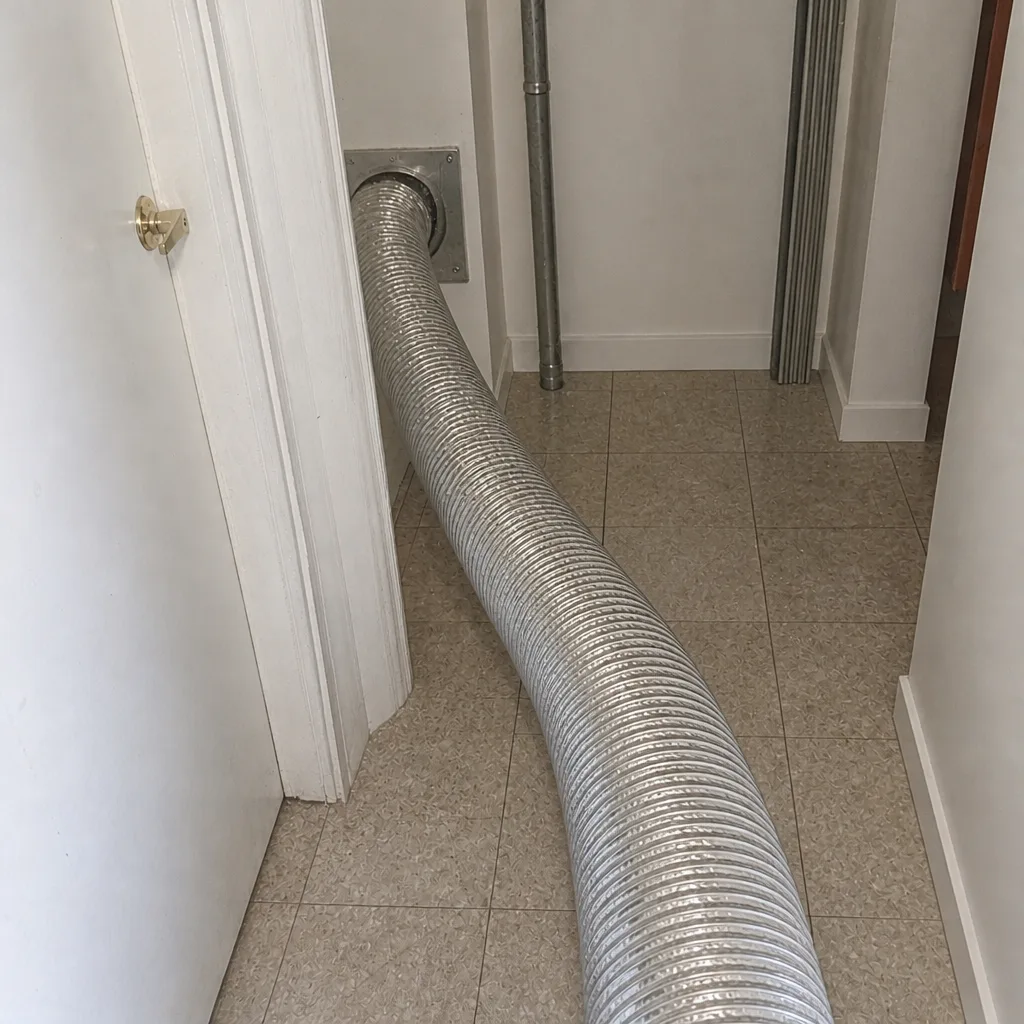
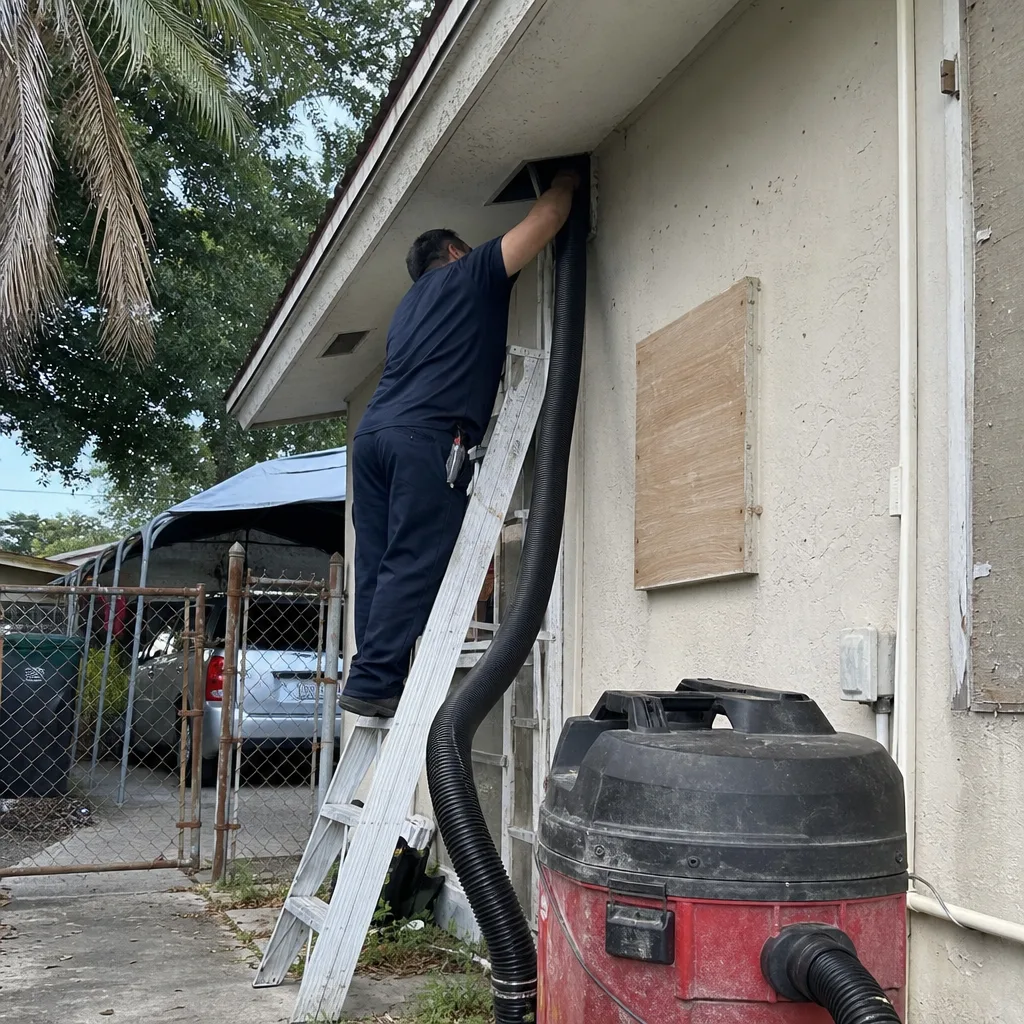
See the difference
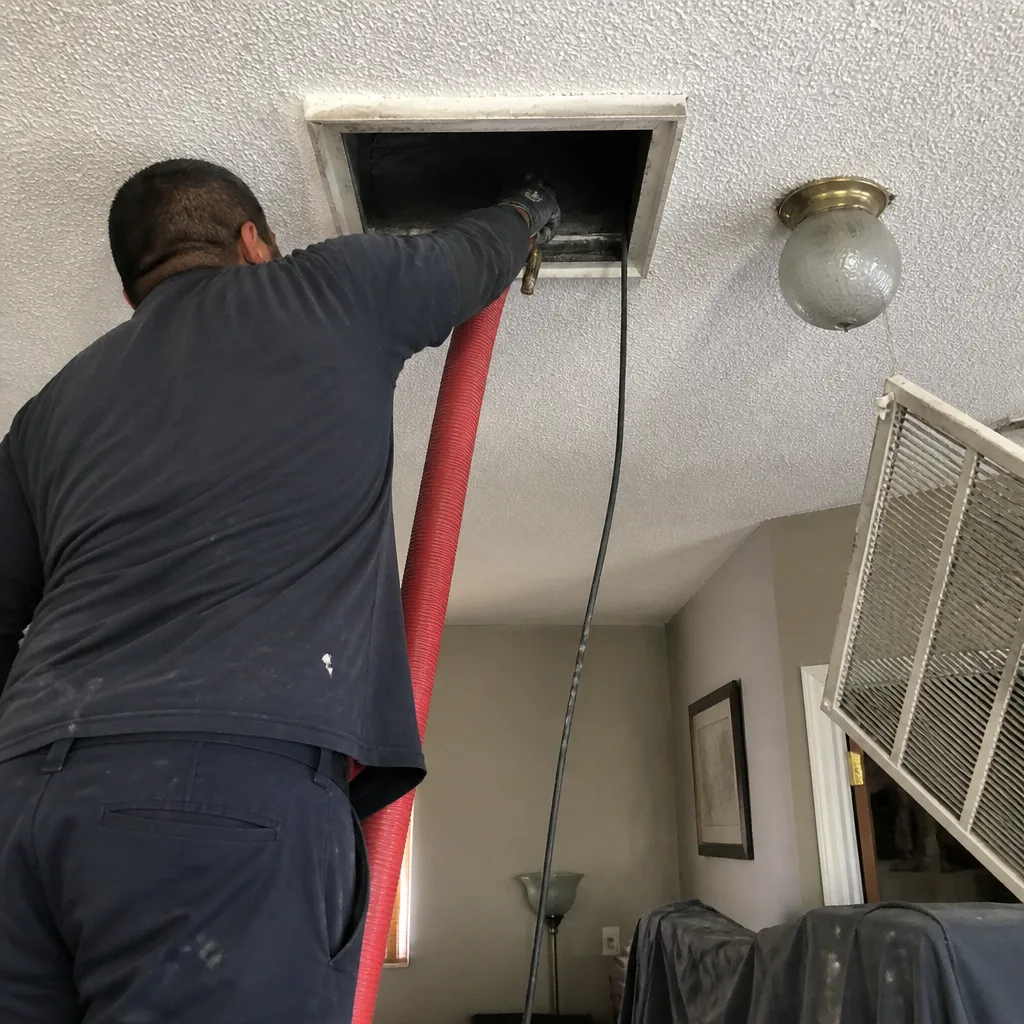 Before
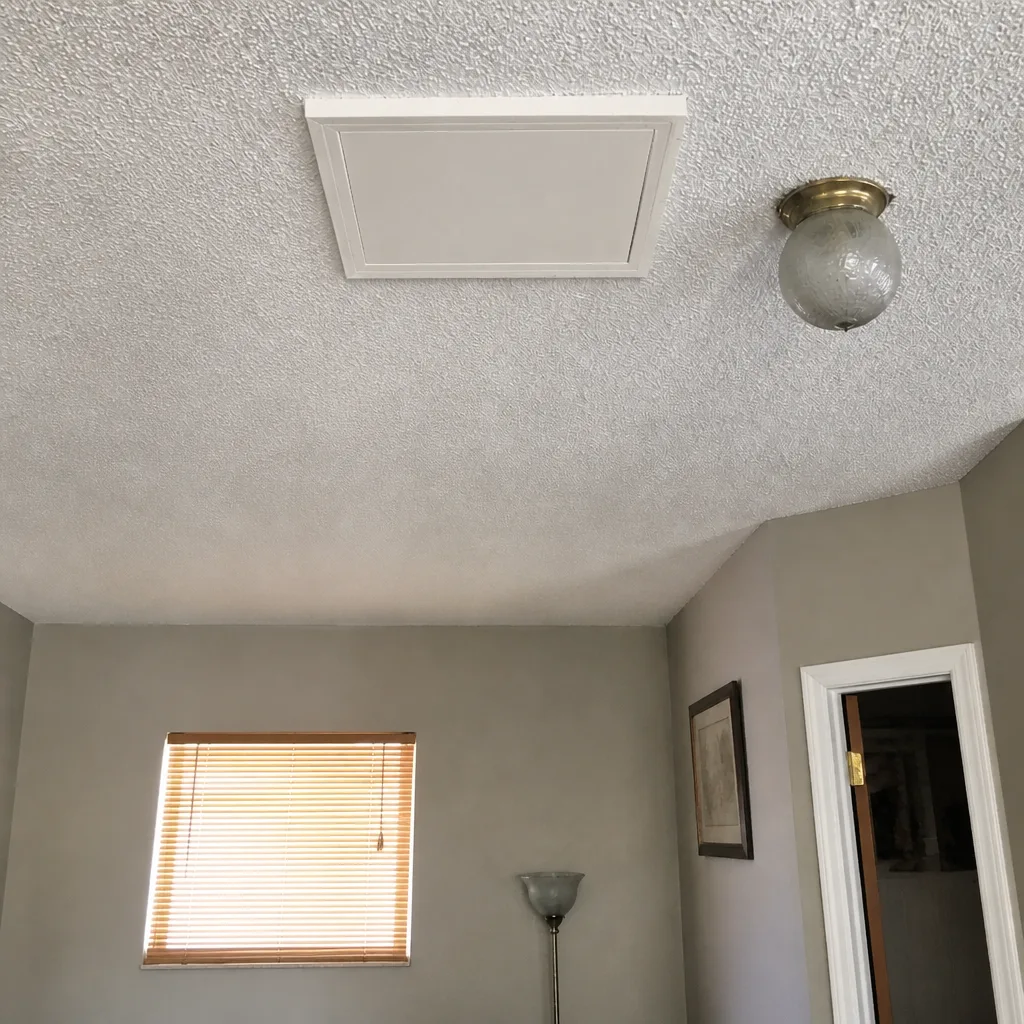 After
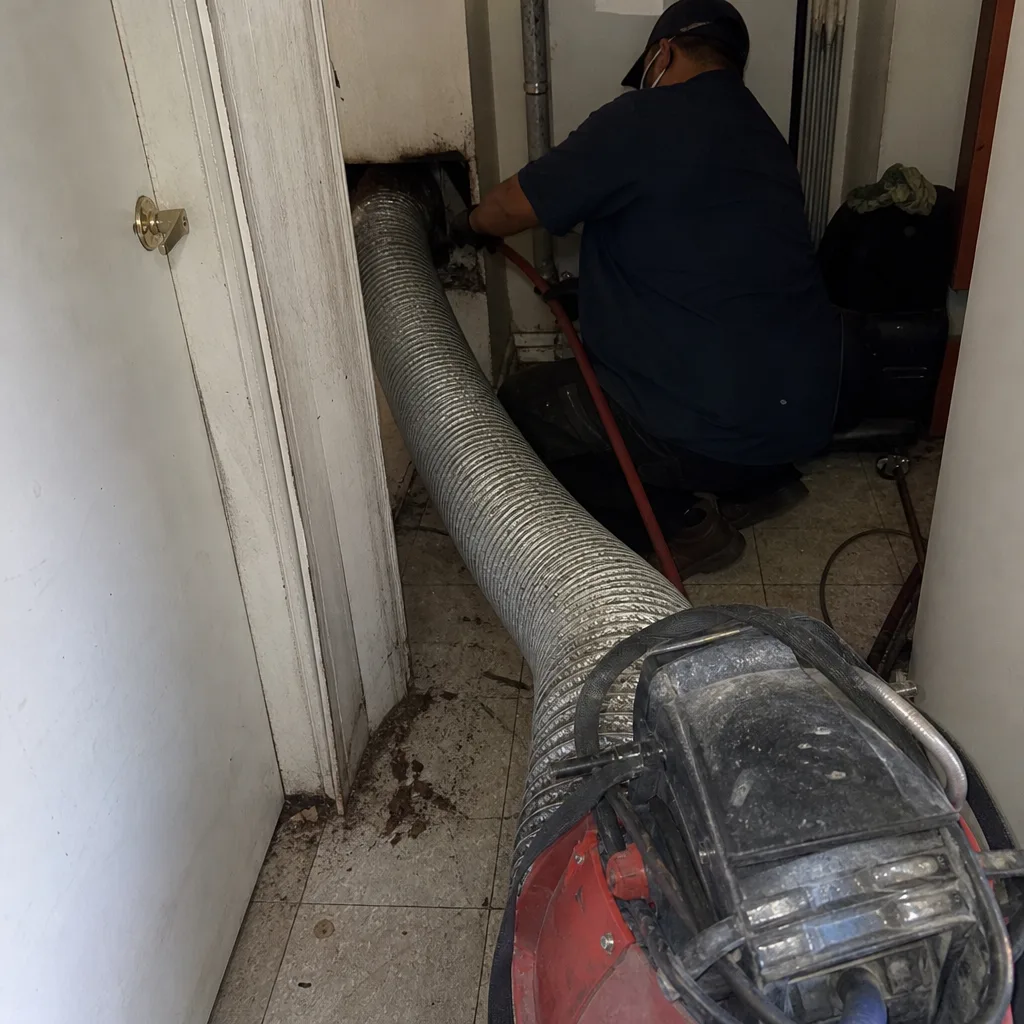 Before
 After
 Before
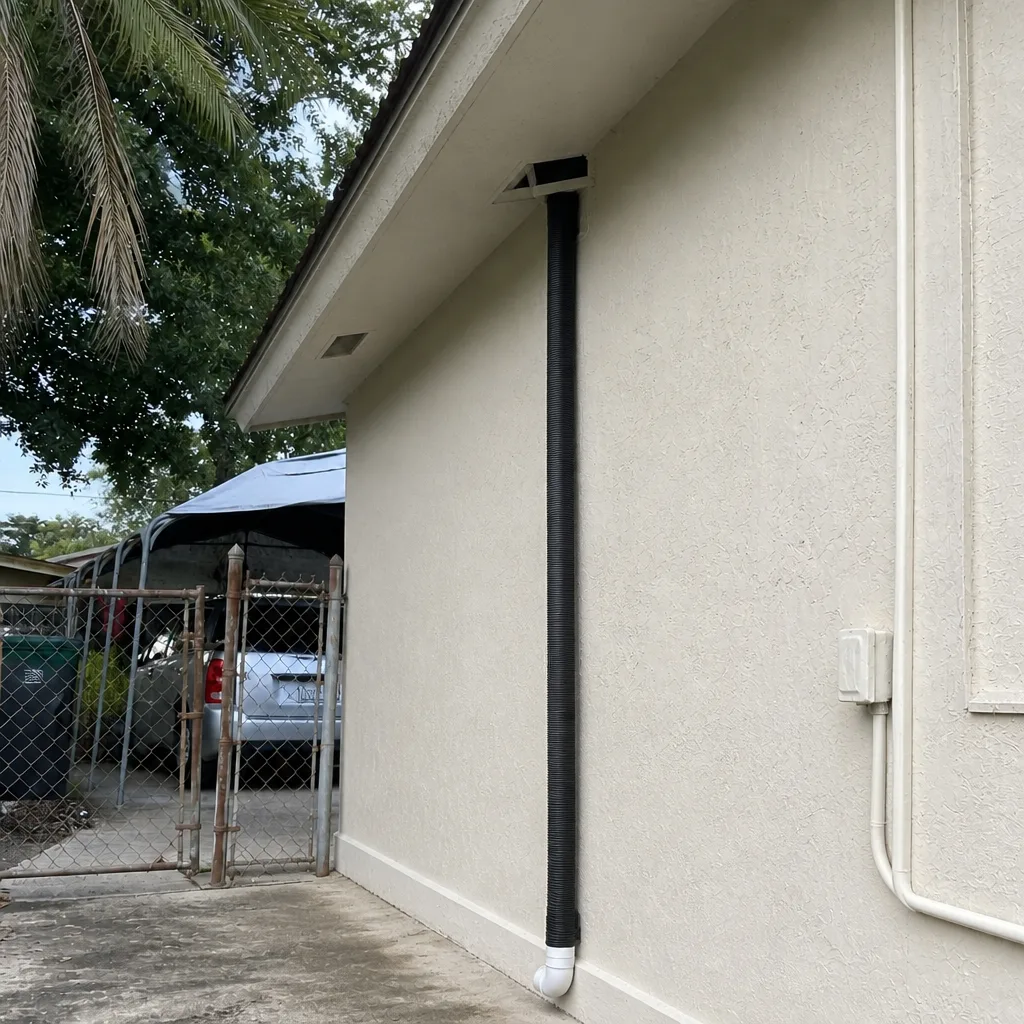 After
When to Call a Professional
Call for professional help when you see visible buildup or biological growth inside a duct, when an accessible run is disconnected or collapsed, when the system smells musty even after a filter change, when a drain pan has overflowed or you’ve had any water intrusion near the air handler, or when it’s simply been more than two years and you live near ongoing construction. Call if anyone in the home has allergies or asthma and you’ve never had the system cleaned. And call for the yearly dryer vent check if the run is long or has multiple elbows. Oasis Air Duct offers free estimates in Miami Gardens – call (833) 384-3692 to set one up. We answer 24/7. Fast dispatch from 7am to 7pm, Sunday through Friday; we’re closed Saturday and book you into the next opening.
Frequently Asked Questions
Typical estimates for a whole-home duct cleaning in Miami Gardens run $350 to $700 for a standard single-family system, with larger or heavily contaminated systems and any needed duct repair quoted on top. We price per system in writing before work starts, never per vent, and the written estimate sets the final price. Call (833) 384-3692 for a free estimate.
Every 2 to 3 years under normal conditions, and more often if you’ve recently renovated, had water intrusion, or live near active construction. The near-constant HVAC operation and wet-season humidity accelerate the buildup cycle here compared to temperate climates. Call (833) 384-3692 for an exact quote.
Cheap quotes usually strip out the equipment. A shop vacuum and a leaf blower can’t extract embedded dust from an entire duct system, and the work isn’t verifiable because the contractor won’t show you before-and-after photos of your own system. A professional-grade cleaning uses a rotary brush system and HEPA-filtered vacuum; we use Rotobrush and Nikro equipment on every job. Call (833) 384-3692 for a free estimate.
Ask for before-and-after photographs of your own ducts, taken during the visit – not stock images. And keep them in your maintenance folder. A contractor who plans a real cleaning will produce those photos without being pushed. Call (833) 384-3692 for an estimate.
Yes, and that’s the right time to call rather than run the system first. Water intrusion and storm-driven debris are contamination events that should be assessed before the system is returned to normal use. Call (833) 384-3692 and we’ll book the assessment.
Yes. Oasis Air Duct handles air duct cleaning, dryer vent cleaning, and air duct repair, so one visit can assess the full system – including failed or collapsed runs that a cleaning-only visit would miss. Call (833) 384-3692 for a free estimate.
The Bottom Line
A duct maintenance checklist for Miami Gardens isn’t a five-year reminder. It’s a monthly filter check, a twice-yearly look at the return, the coil, and the drain pan, a yearly dryer vent clearing, and a professional cleaning every 2 to 3 years – tightened when construction, humidity, or a storm event throws contamination at your system. Keep records. Ask two questions of anyone who quotes the work: what equipment are they using, and will they show you before-and-after photos of your own ducts. That’s how you get a real clean in a climate that asks more of your ductwork than a national guide ever accounts for. That’s what Oasis is here for: where the air in your home finally gets a clean start.
Written by the team at Oasis Air Duct, serving Miami Gardens since 2013.