
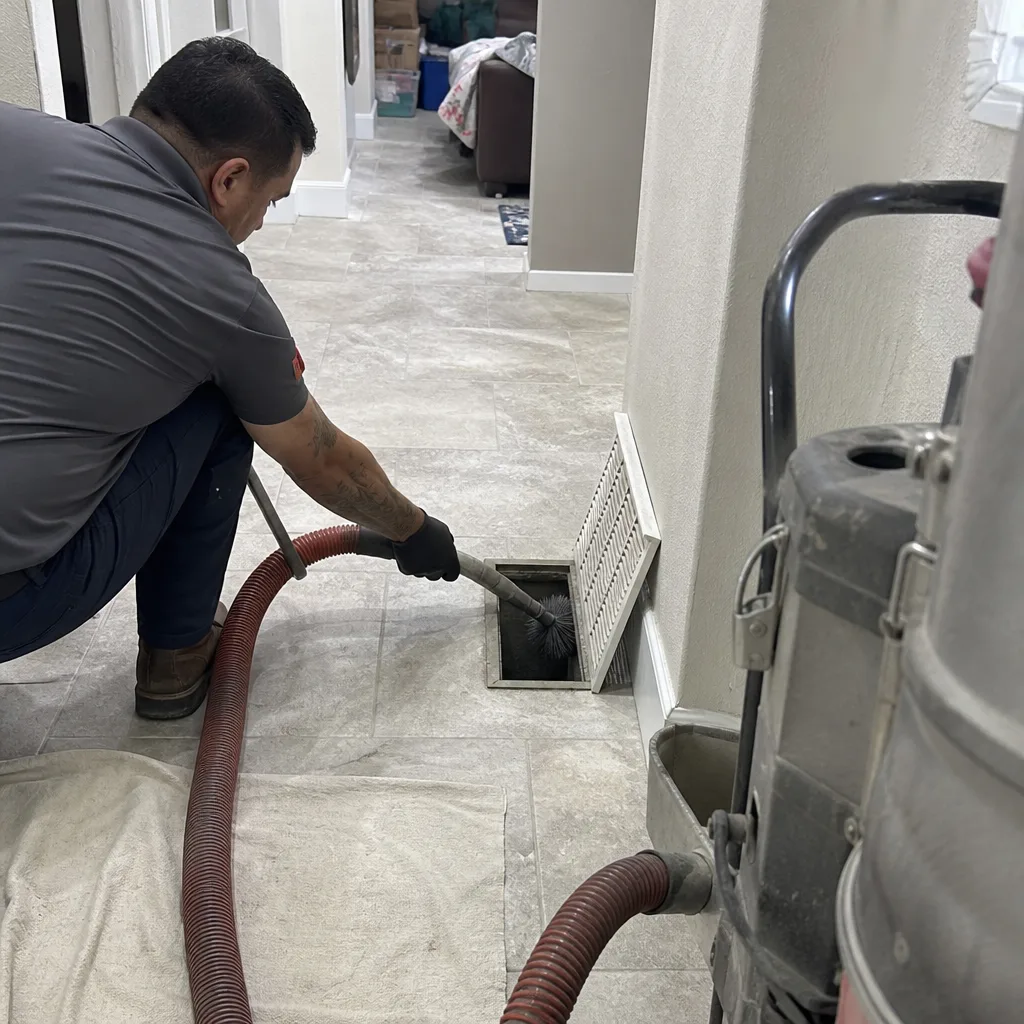
Last updated November 14, 2026
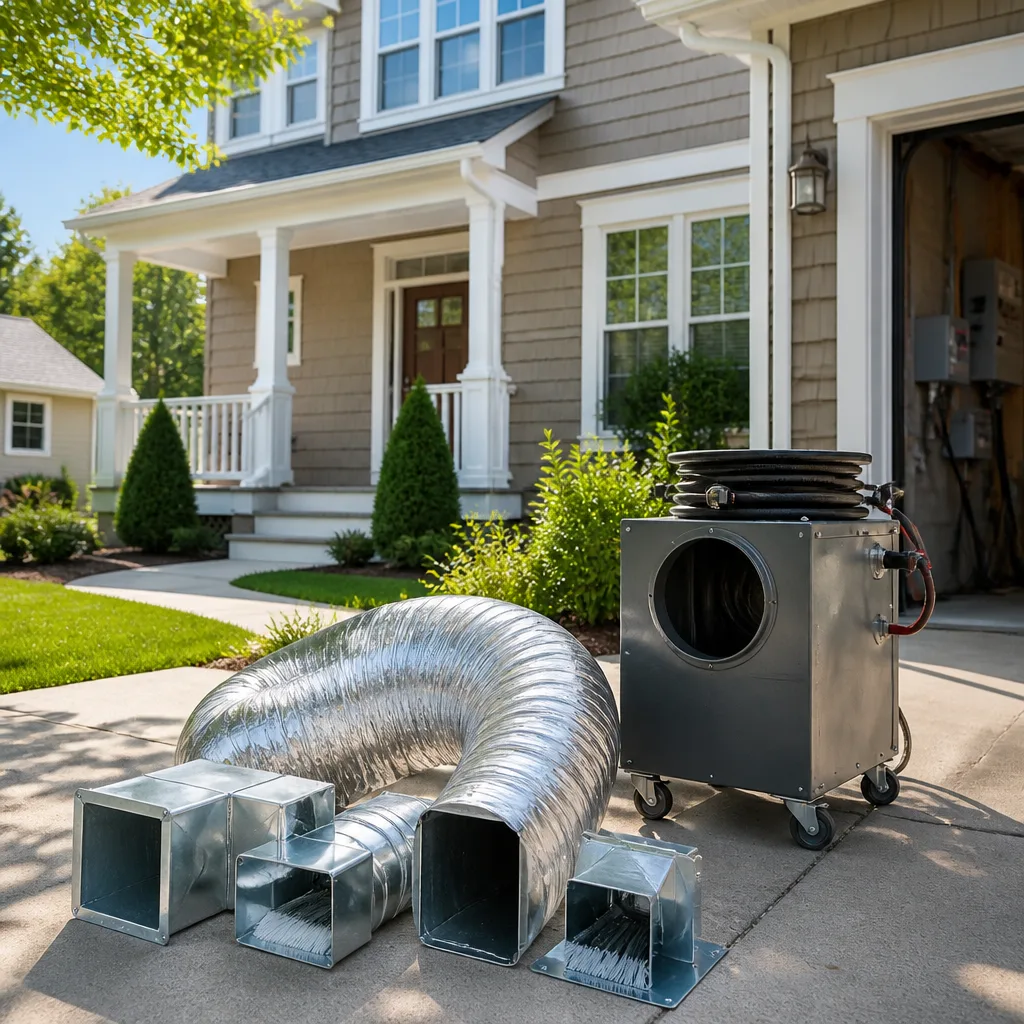 Whole-home duct cleaning
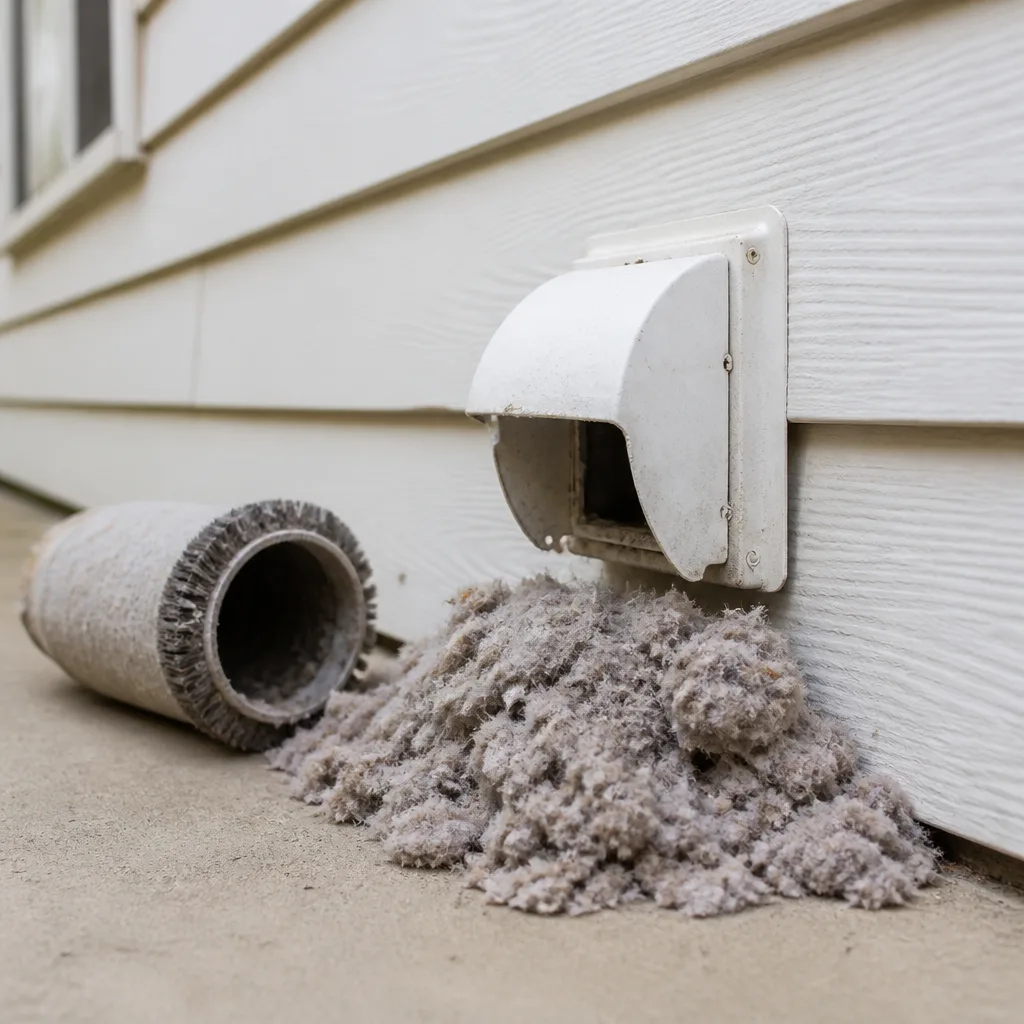 Dryer vent cleaning
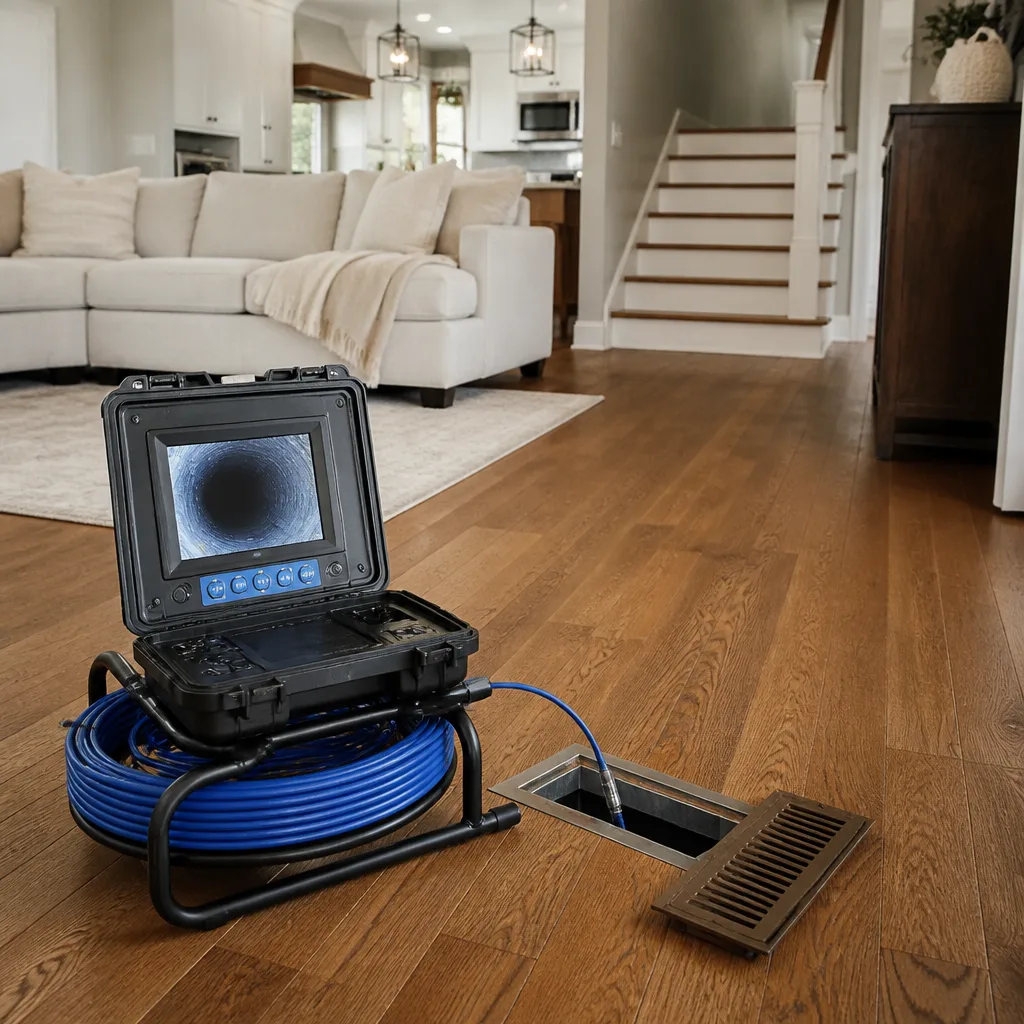 Camera inspection
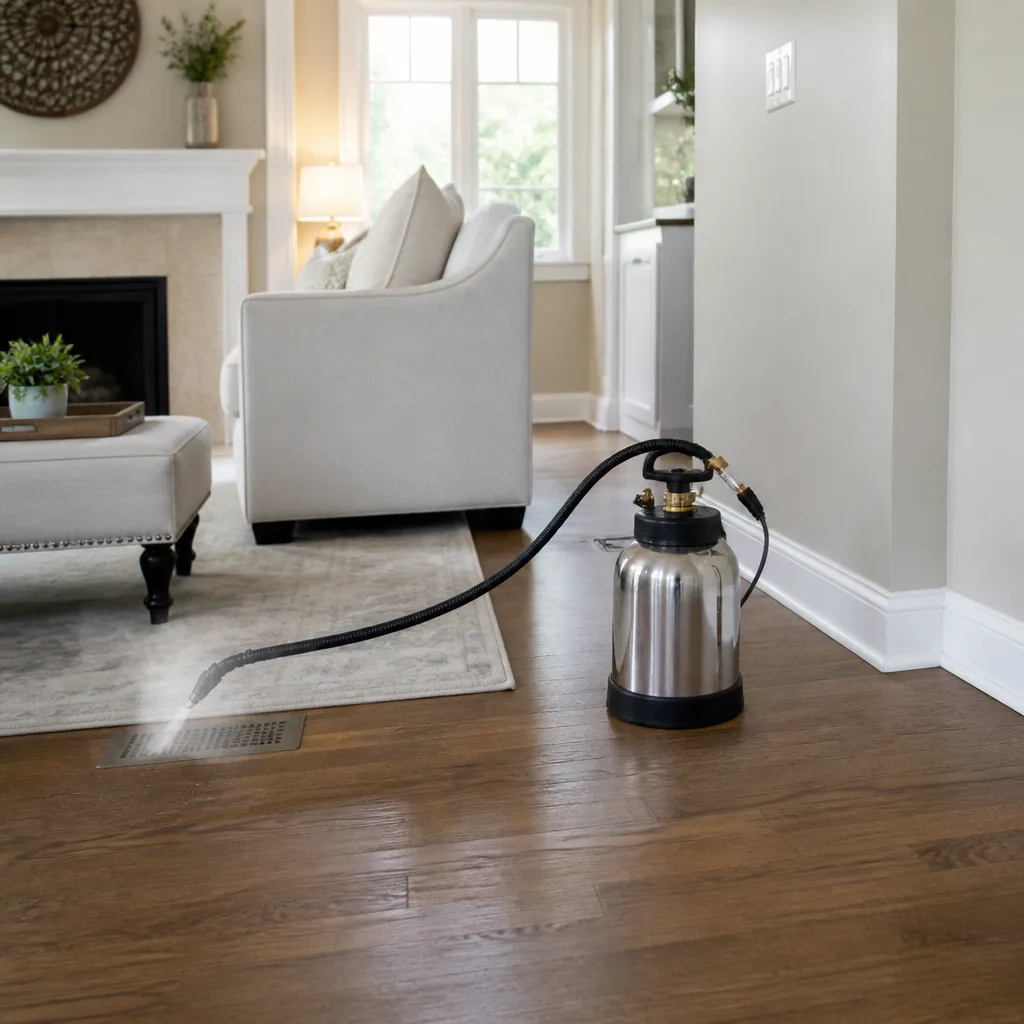 Sanitizing & deodorizing
Whole-system duct and dryer vent check with before-and-after photos - you see exactly what came out of your vents
That "$99 whole-house special" is a bait ad - the real number appears once they are in your hallway, or the "clean" is a shop-vac at the register. We photograph the inside of your ducts before and after instead.
The Complete Guide to Air Duct Cleaning in Miami Gardens
Most homeowners treat duct cleaning as a cosmetic decision, something you get to when the vents look dusty. That framing is backwards for Miami Gardens. Air conditioning here runs almost every hour of the year, and that constant runtime means your duct system is the most-used pathway in your home. Running for that many hours annually compounds what collects inside the ductwork at a pace that dry-climate guides never account for. In this guide, we’ll walk through what actually accumulates in South Florida ductwork, what a real source-removal clean looks like, how Miami Gardens’ housing stock shapes the work, and how to verify the job was done correctly.
Quick Answer
Professional duct cleaning in Miami Gardens is a whole-system source-removal process: rotary-brush agitation plus HEPA-filtered extraction that physically pulls accumulated dust, debris, and biological buildup out of the ducts and into a sealed vacuum, then verifies the result with inspection video and airflow readings. It matters more here than in most of the country because year-round AC runtime and subtropical humidity create both heavy accumulation and mold-favorable conditions inside the ducts. A proper clean is scheduled per job, quoted at a flat price per system before work begins, and documented with before-and-after photos.
Styles & brands we work with
- Whole-home duct cleaning
- Dryer vent cleaning
- Camera inspection
- Sanitizing & deodorizing
Table of Contents
- Why Duct Cleaning Matters More in Miami Gardens
- How Humidity and Biofilm Change the Picture
- Source Removal vs. Surface Agitation
- Miami Gardens Housing Stock and Original Ductwork
- What a Professional Clean Actually Involves
- How to Verify the Clean Was Done Right
- Timing Relative to Rainy Season and Storm Debris
- Common Mistakes to Avoid
Why Duct Cleaning Matters More in Miami Gardens
Air conditioning in South Florida runs far more hours per year than in northern climates, and that runtime is the single biggest factor in how fast ductwork accumulates contamination. Every hour the system runs, it pulls air through the return, filters some of it, and pushes the rest through supply runs into every room. The dust, pollen, pet dander, and construction particles that ride along don’t vanish. They settle on duct walls, in the joints, and along the interior sheet metal where the air moves slowest.
In a northern home, the AC runs for a season and rests for months. In Miami Gardens, it’s close to continuous. That difference matters because accumulation is cumulative: the system never really gets a break, so the film on your duct walls keeps building without reset. It also means the system’s efficiency depends on clean, unobstructed airflow every day of the year, not just in summer.
This is why Oasis Air Duct treats cleaning as a functional service in Miami Gardens, not a cosmetic one. The goal isn’t spotless sheet metal for its own sake. It’s restoring the airflow the system was designed to deliver and removing the material that keeps getting recycled into your living space.
What you’ll learn in this guide: what actually builds up inside South Florida ducts, the real difference between a professional clean and a budget one, how to read your home’s specific duct system, and how to confirm the work was done thoroughly.
How Humidity and Biofilm Change the Picture
Miami-Dade’s subtropical humidity creates conditions inside ductwork that dry-climate guides simply don’t address. When warm, humid air meets cool duct surfaces in a running AC system, condensation forms. Add settled organic dust, and you have the recipe for biofilm, a slimy film of microbial growth that clings to duct interiors and feeds on exactly the material that collects there.
That’s not speculation. It’s the predictable outcome of moisture plus food source plus a surface to grow on. It’s also why duct inspection in Miami Gardens should include a look for moisture staining, musty odor at the vents, and visible growth near the air handler or coil cabinet.
What this means for cleaning:
- Surface agitation alone won’t remove biofilm. A film that’s bonded to the duct wall has to be mechanically broken loose, not just blown around.
- Moisture control matters as much as the clean itself. If there’s a leak, a poorly fitted joint, or condensate problems at the air handler, cleaning without addressing that just resets the clock.
- Filtration is part of the answer. Whole-home filtration products from Honeywell and Aprilaire can reduce what feeds the buildup between cleanings.
In our experience, a duct system that’s been running for years in Miami Gardens humidity without a professional clean typically shows more organic material and more musty odor than a comparable system in a drier climate at the same age. Cleaning addresses the accumulated material; addressing the moisture source keeps it from coming back quickly.
Source Removal vs. Surface Agitation: Why the Difference Shows Up Later
The most common distinction homeowners miss is between two very different things that both get called “duct cleaning.” Source removal is a mechanically driven process that agitates the contamination loose from the duct wall and simultaneously extracts it into a sealed HEPA-filtered vacuum. Surface agitation is what a shop vac or a blower can do: knock dust off the nearest visible surface and push it downstream or into the room.
What source removal looks like with professional equipment:
- Rotary brush agitation. A spinning brush on a flexible shaft runs the length of each duct run, contacting all interior walls, not just the visible straight sections.
- Simultaneous HEPA extraction. Nikro HEPA-filtered vacuums pull the loosened material into a sealed container so it doesn’t migrate into the house.
- Every run, every boot, every return. Not just the main trunk and the vents you can see from the floor.
What surface agitation leaves behind:
- The film bonded to the duct wall, which re-enters the air stream as soon as the system runs.
- Material in the joints, seams, and turns where a shop vac can’t reach.
- Debris in the boot (the last few feet feeding the register), which is often the dirtiest section.
The difference shows up weeks later, when a home that got the budget version still smells musty at the vents. A clean that reaches the wall is the only kind that holds.
Miami Gardens Housing Stock and Original Ductwork
Much of Miami Gardens’ housing was built from the 1970s through the 1990s, and a large share of it is CBS construction (concrete block and stucco), which ran the ductwork in attic spaces in ways that reflect the period’s methods. Many homes still have some or all of the original flexible duct runs, attic trunks, or hand-fabricated sheet metal. Each presents specific handling considerations.
What matters for a Miami Gardens clean:
- Flexible duct integrity. Old flex duct can sag, kink, or tear. A cleaner who doesn’t inspect for this can make things worse by pushing a brush through a compromised section.
- Original sheet metal seams. Decades-old seams can open and leak. Air duct repair is part of a thorough service, not an add-on.
- Attic trunk configuration. Miami Gardens’ attic run layouts differ from homes built later with more compact central air. Each run has to be reached, agitated, and extracted individually.
- Post-construction dust. Renovated homes carry construction debris in the ductwork long after the job is done. Removing it takes remediation-level care.
This is why air duct cleaning in a Miami Gardens home should start with a full system assessment, not just a brush in a vent. We use Abatement Technologies filtration equipment on jobs with heavier contamination or recent construction, because the containment level matters when the ductwork holds that kind of debris.
What a Professional Clean Actually Involves
A proper clean is a sequence, not a single action. Here’s the general process we follow, described so you can recognize it when you see it:
- Full system inspection. Air handler, plenum, trunk lines, branch runs, boots, and registers are inspected with a camera before any cleaning begins. The system is mapped and any breaches or collapsed sections are noted.
- Sealed extraction setup. A HEPA-filtered vacuum is connected to the main trunk so the entire system is under negative pressure. Nothing loosened is allowed to escape into the home.
- Mechanical agitation run-by-run. Rotary brush equipment is worked through every branch and trunk. The agitation breaks the material loose from the duct wall; the vacuum pulls it out at the same moment.
- Boot and register cleaning. The boot and register plates are cleaned by hand. These are often the most heavily loaded points in the system.
- Repair of any defects found. If a run is disconnected, crushed, or torn, it gets repaired before the system is returned to service.
- Verification. Post-clean inspection camera video, airflow readings, and before-and-after photos document what was removed and that the system is clean.
Every step is a reason the professional version of this work can’t be reproduced with a shop vac. Equipment matters because it’s what makes the process verifiable. Rotobrush rotary-brush systems and Nikro HEPA vacuums are the platforms we use because they’re built for this exact work, not adapted to it.
How to Verify the Clean Was Done Right
Homeowners have every reason to be skeptical about whether a duct cleaning was actually done, because it’s a service performed in spaces they can’t see. The reasonable response isn’t to trust the pitch; it’s to demand documentation. A professional clean is verifiable, and verifying it takes five minutes of looking.
What to ask for and check:
- Before-and-after photos of your own ducts. Not stock photos, not photos from another job. Yours, with the duct run identified.
- Post-clean inspection camera video. Any contractor using professional equipment should be able to show you the inside of the trunk after cleaning.
- Airflow readings taken before and after. If airflow improves measurably, the clean reached the walls. If it doesn’t, ask why.
- A flat price per system, agreed in writing before work starts. No per-vent pricing and no surprise charges when the work is done.
- An assessment of any defects found. If a run was disconnected or collapsed, that should be documented and repaired, not glossed over.
The cheap alternative is usually missing all five. That’s not because the contractor is lazy; it’s because the equipment required to deliver those results is what they don’t have. A shop vac and a leaf blower can’t produce inspection video of a clean duct because they can’t clean the duct. When you want Miami Gardens ductwork done right, the documentation is the proof.
Timing Relative to Rainy Season and Storm Debris
South Florida’s rainy season (roughly May through October) raises indoor humidity and increases the demand on the AC system, which is exactly when a duct system still holding last season’s accumulation becomes a problem. Waiting until you notice the musty smell in July means you’ve spent spring rebreathing what should have been removed before the season started.
Two timing points matter:
- Before the rainy season. A clean in late spring, before humidity climbs, gives you a duct system starting from clean right when the system’s going to work hardest.
- After any storm or hurricane event that affects the home. Wind-blown debris, roof leaks, and attic intrusion can deposit material in or around the ductwork. A post-storm inspection and clean, plus a check for wet insulation or compromised runs, is the right response.
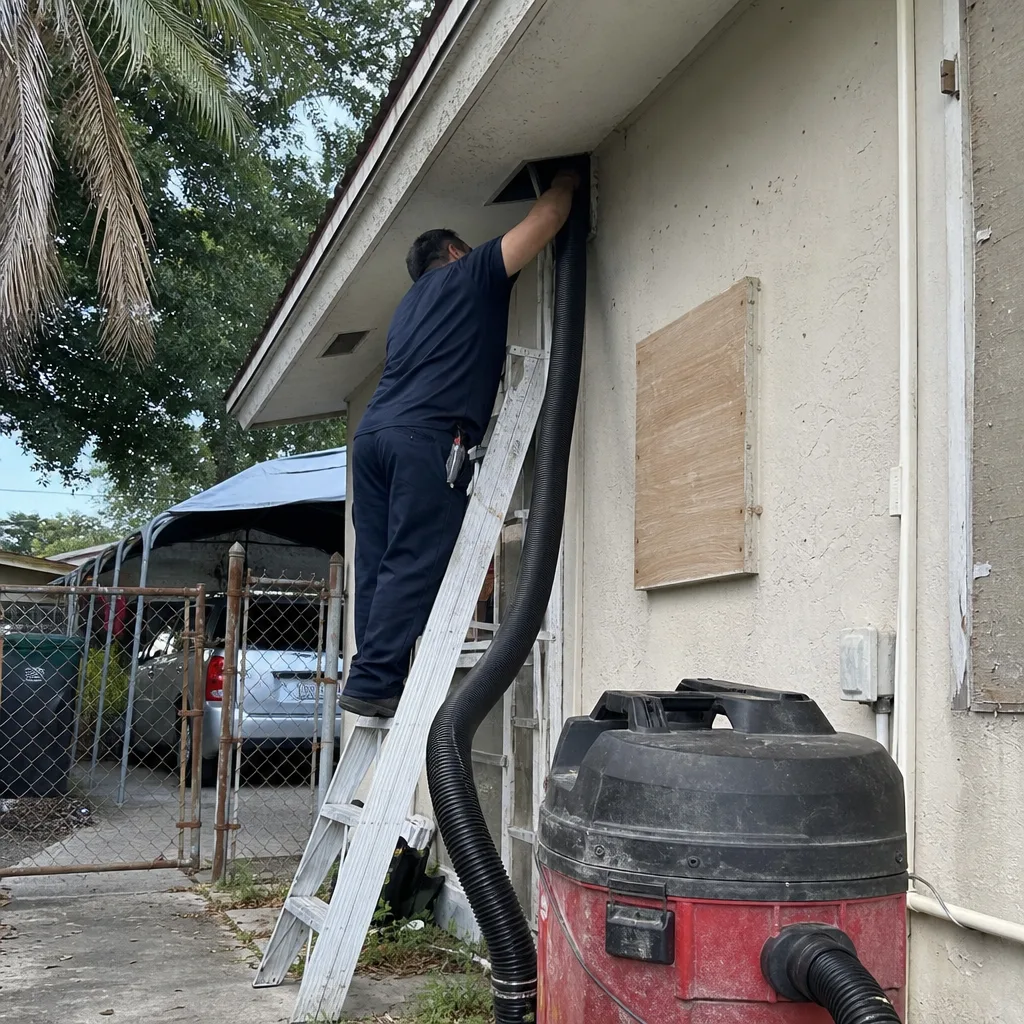
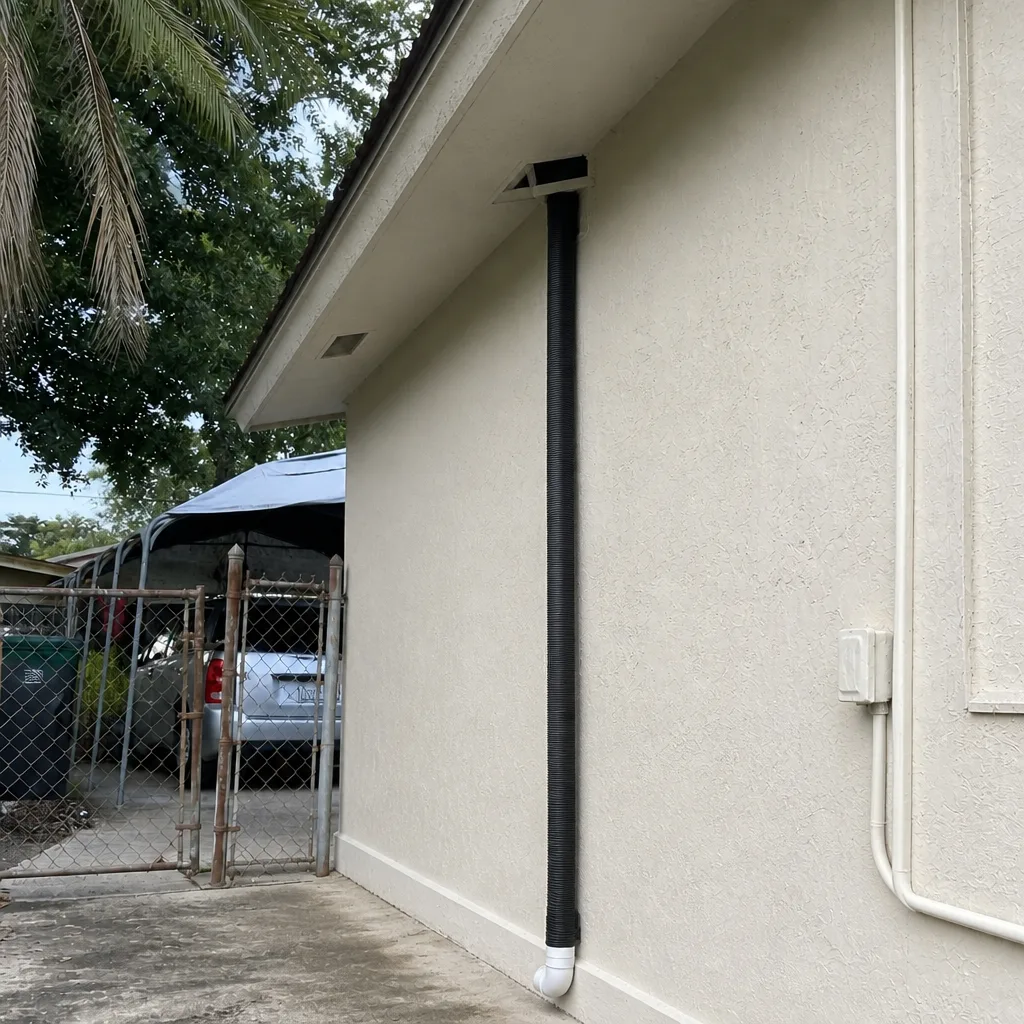
For homes with dryer vents, timing the two services together is practical. dryer vent cleaning is a safety-critical service, not an upsell, and it’s worth doing at the same time as the duct system clean rather than leaving the dryer vent as an afterthought for later in the year. The lint that builds up in the vent run is a fire risk regardless of season, and the reduction in drying times is measurable.
If you have any doubt about when your system last had a full assessment, the answer is usually: now, before the wet season starts.
Common Mistakes to Avoid
- Judging a quote by price alone. The lowest price is usually the shop vac and leaf blower version. That clean knocks some dust off and pushes the rest back into the house, and the problem returns within weeks.
- Accepting per-vent pricing. That model encourages hitting registers fast and skipping the trunk and branch runs where most of the accumulation lives. A flat price per system is the only model that makes the job whole-system.
- Skipping the report. No photos, no inspection video, no airflow readings means no way to know what was done. Ask before the job starts, not after.
- Ignoring existing duct defects. In Miami Gardens homes with original 1970s – 90s ductwork, disconnected runs and crushed flex sections are common. A cleaner who won’t repair them just leaves the system compromised after the clean.
- Treating dryer vent service as optional. The dryer vent is the highest-consequence duct in the house. Skipping it because the primary clean is done is a mistake with a real fire-safety dimension.
- Cleaning without addressing moisture. Biofilm in Miami Gardens ductwork needs both the clean and a look at any moisture source. Otherwise the film comes back.
- Hiring someone who can’t tell you what equipment they’ll use. If the contractor can’t name their rotary brush, their HEPA vacuum, and their filtration platform, they’re telling you something.
See the difference
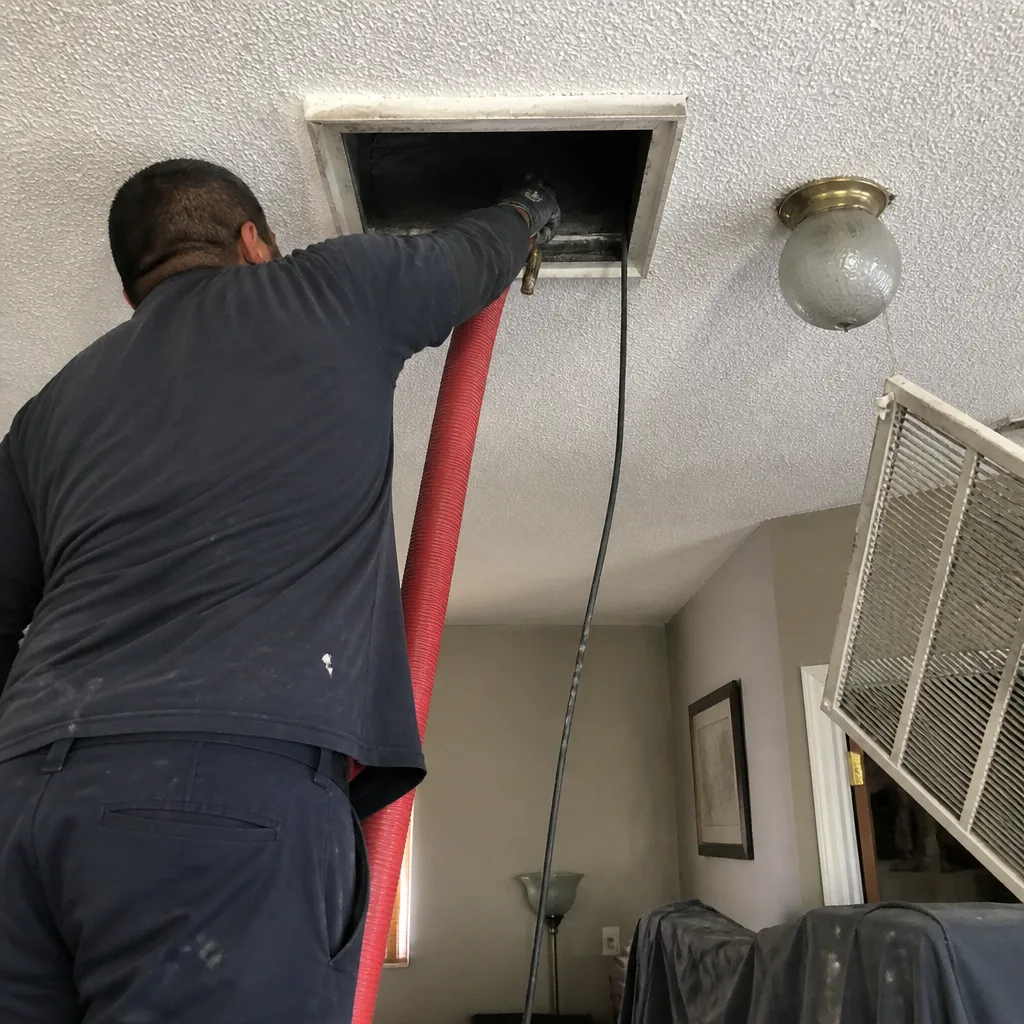 Before
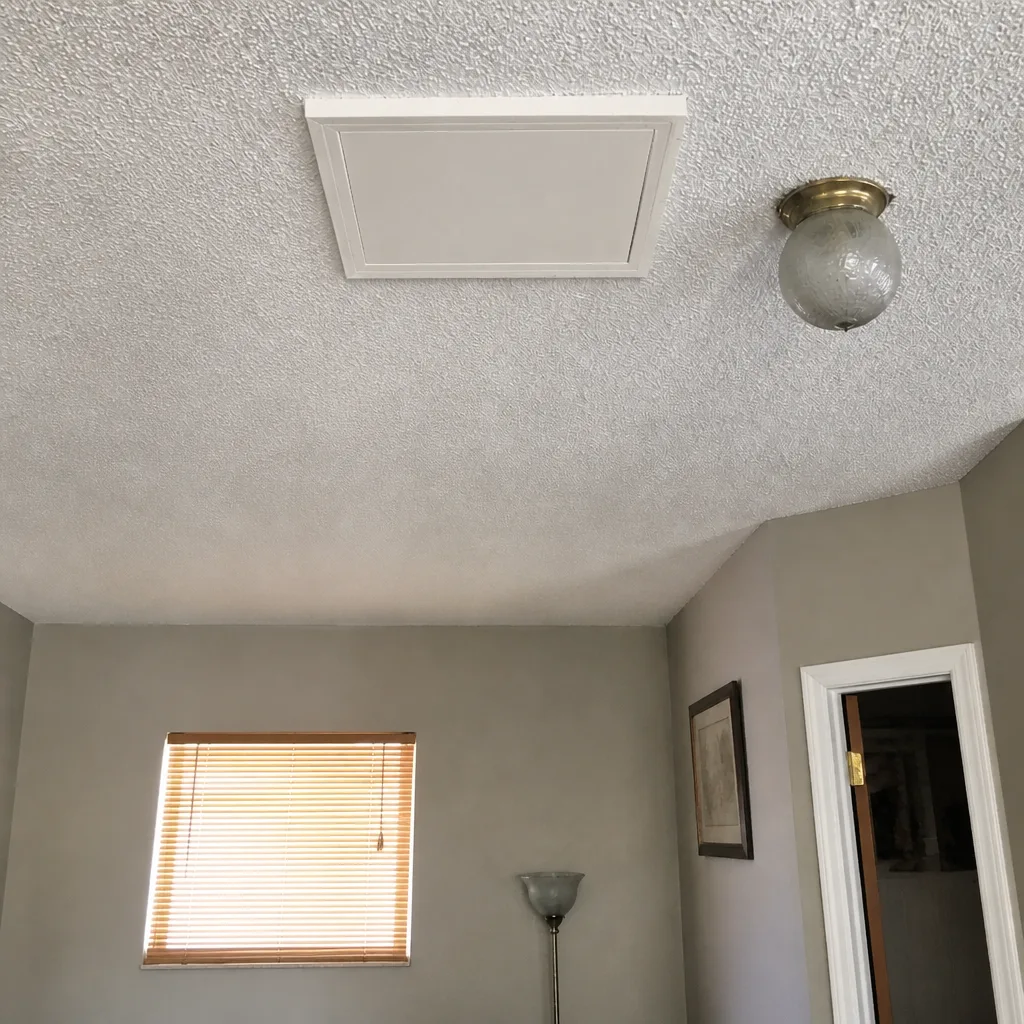 After
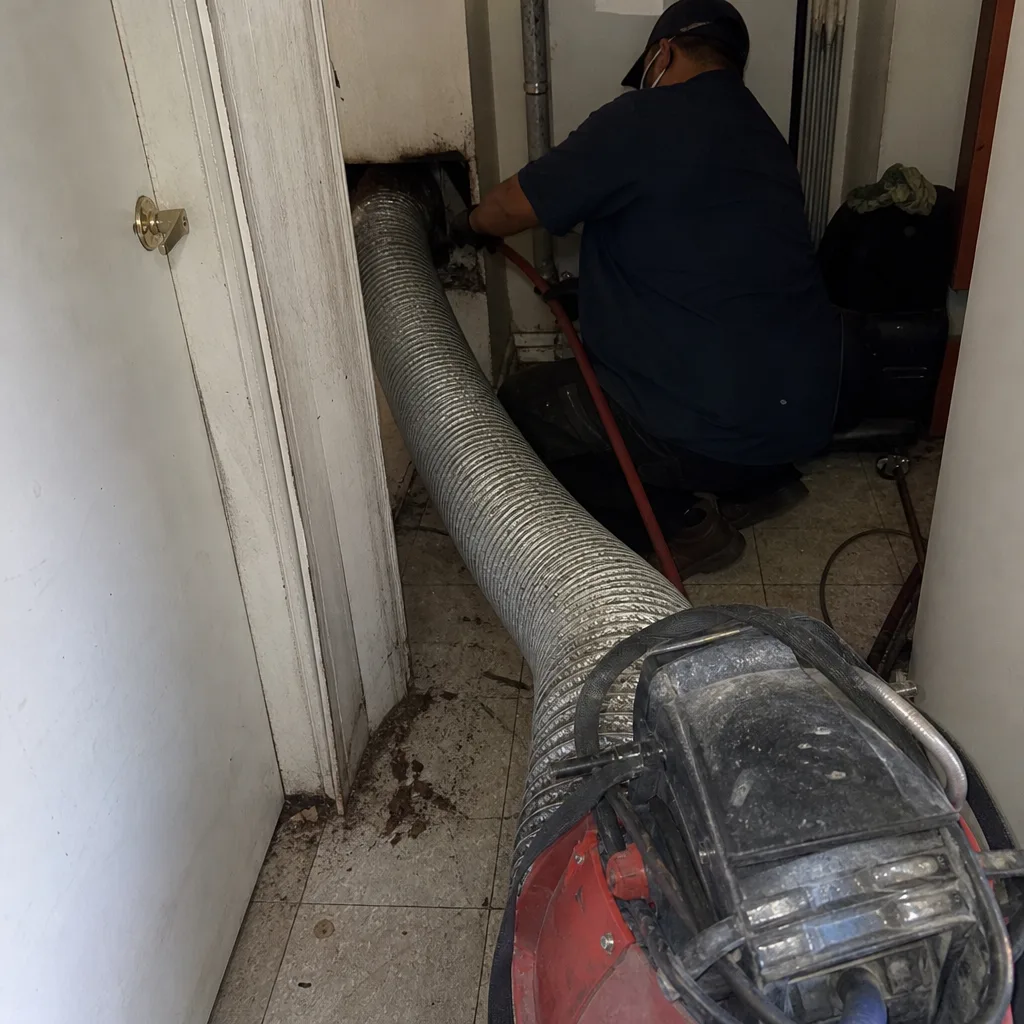 Before
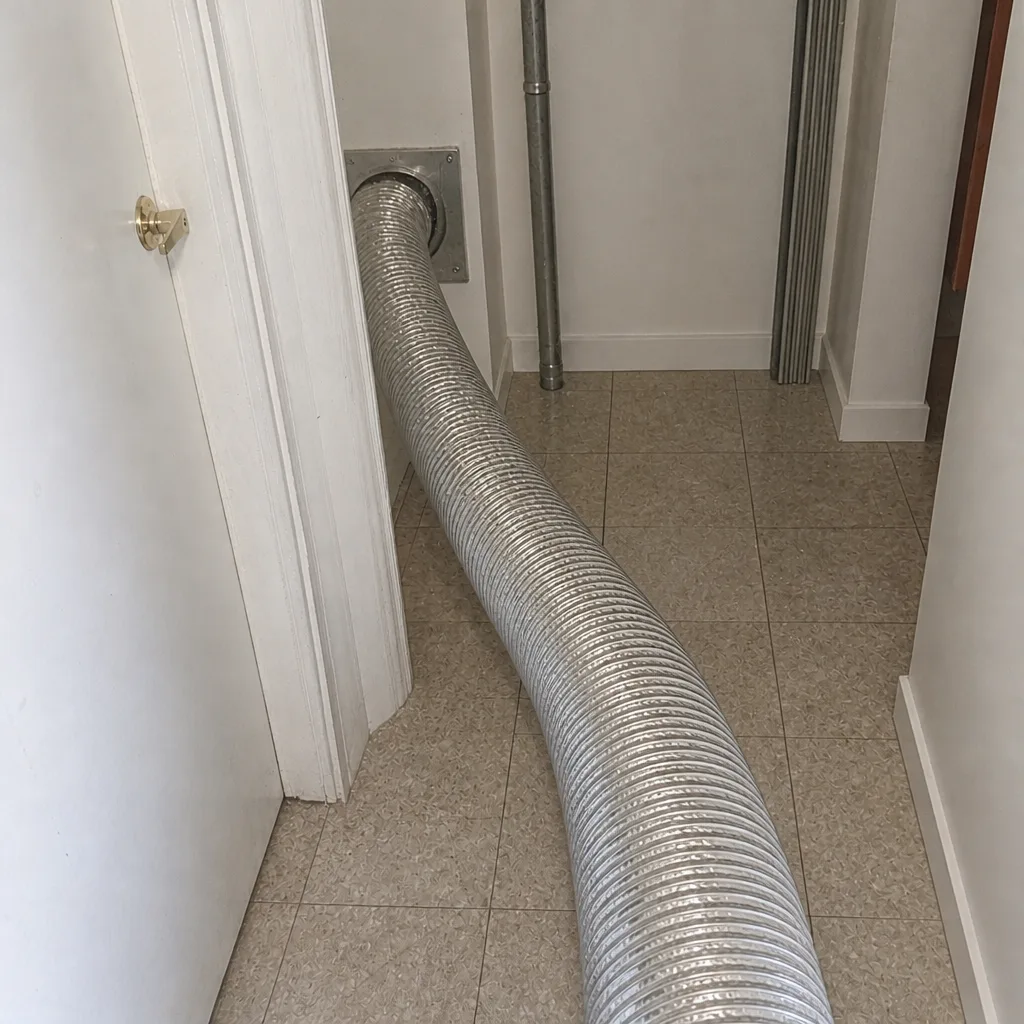 After
 Before
 After
When to Call a Professional
If you’ve never had the ducts professionally cleaned, if you’ve just bought a Miami Gardens home and don’t know the system’s history, or if you’re noticing musty odor at the vents or visible dust blowing from registers, it’s time to schedule. The same goes for any home that’s had renovation work, storm intrusion, or an insect or rodent issue in the attic, all of which can deposit material in the ductwork. Households with allergy sufferers or young children have the most to gain from a clean, verifiable duct system. Oasis Air Duct offers free estimates in Miami Gardens. Call (833) 384-3692. We answer 24/7. Fast dispatch from 7am to 7pm, Sunday through Friday.
Frequently Asked Questions
Duct cleaning in Miami Gardens is priced per system by a written estimate rather than per vent, so the exact figure depends on the number of runs, the level of contamination, and whether any repairs are needed. A flat price for the whole system is agreed before work starts, and the estimate is free. Call (833) 384-3692 for an exact quote.
Most Miami Gardens homes benefit from a professional clean every few years, but the year-round AC runtime here pushes the timetable faster than in climates with a seasonal off-period. Homes with pets, allergy sufferers, recent renovation, or storm exposure need it sooner. The practical test is airflow and odor, not a calendar.
Cheap quotes typically mean shop-vac surface agitation rather than HEPA-filtered source removal, no inspection video, no airflow readings, and per-vent pricing that skips the trunk. The clean looks like duct cleaning but doesn’t hold. The right comparison is what equipment the contractor brings and what documentation they deliver, not the dollar figure. Call (833) 384-3692 for an honest whole-system quote.
You should receive before-and-after photos of your own duct runs, post-clean inspection camera video, and airflow readings from before and after. A flat price per system agreed in writing before work starts is the other marker. If your contractor can’t produce those, the clean isn’t verifiable. Call (833) 384-3692 and we’ll walk you through exactly what our report includes.
Often yes. The 1970s – 90s CBS-built homes common in Miami Gardens often carry original ductwork, and disconnected or crushed flex runs are a frequent finding during a full assessment. Fixing them is part of getting the system back to designed airflow, and it’s part of what a thorough clean should address. Call (833) 384-3692 to schedule an assessment.
Yes. Dryer vent cleaning is one of our three core services and can be scheduled alongside the air duct clean. The dryer vent is the highest fire-risk duct in the home, and clearing it is worth doing every few years rather than waiting for a warning sign. Call (833) 384-3692 to book both.
No. We’re closed Saturday and open Sunday through Friday, 7am to 7pm. If your only window is Sunday, we can schedule you then. Call (833) 384-3692 and we’ll book you into the next available opening.
The Bottom Line
Duct cleaning in Miami Gardens is not a cosmetic service. The year-round AC runtime, the subtropical humidity, and the original ductwork in much of the local housing stock combine to make a proper clean a functional necessity, not a nice-to-have. What separates an informed homeowner from one who gets sold the cheap version is knowing what a real clean looks like: rotary-brush mechanical agitation with simultaneous HEPA extraction, every run and boot cleaned, defects repaired, and the work verified with photos, inspection video, and airflow readings. A flat price per system agreed before work starts is the sane way to buy it. That’s what we do at Oasis Air Duct.
Call (833) 384-3692 for a free estimate on air duct cleaning in Miami Gardens. We answer 24/7. Fast dispatch from 7am to 7pm, Sunday through Friday. Book with the team that brings professional-grade equipment to every job and leaves the proof behind.
Written by the team at Oasis Air Duct, serving Miami Gardens since 2013.