
Last updated November 14, 2026
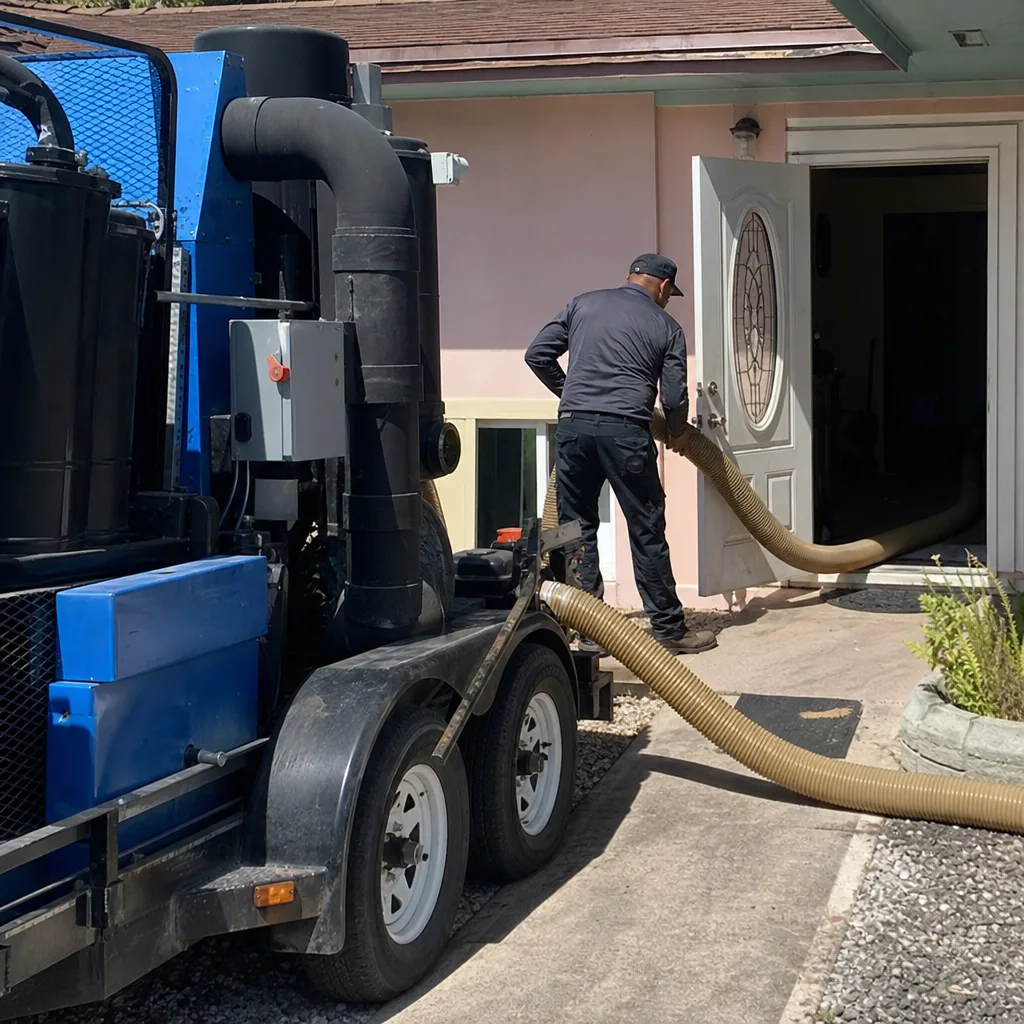
 Whole-home duct cleaning
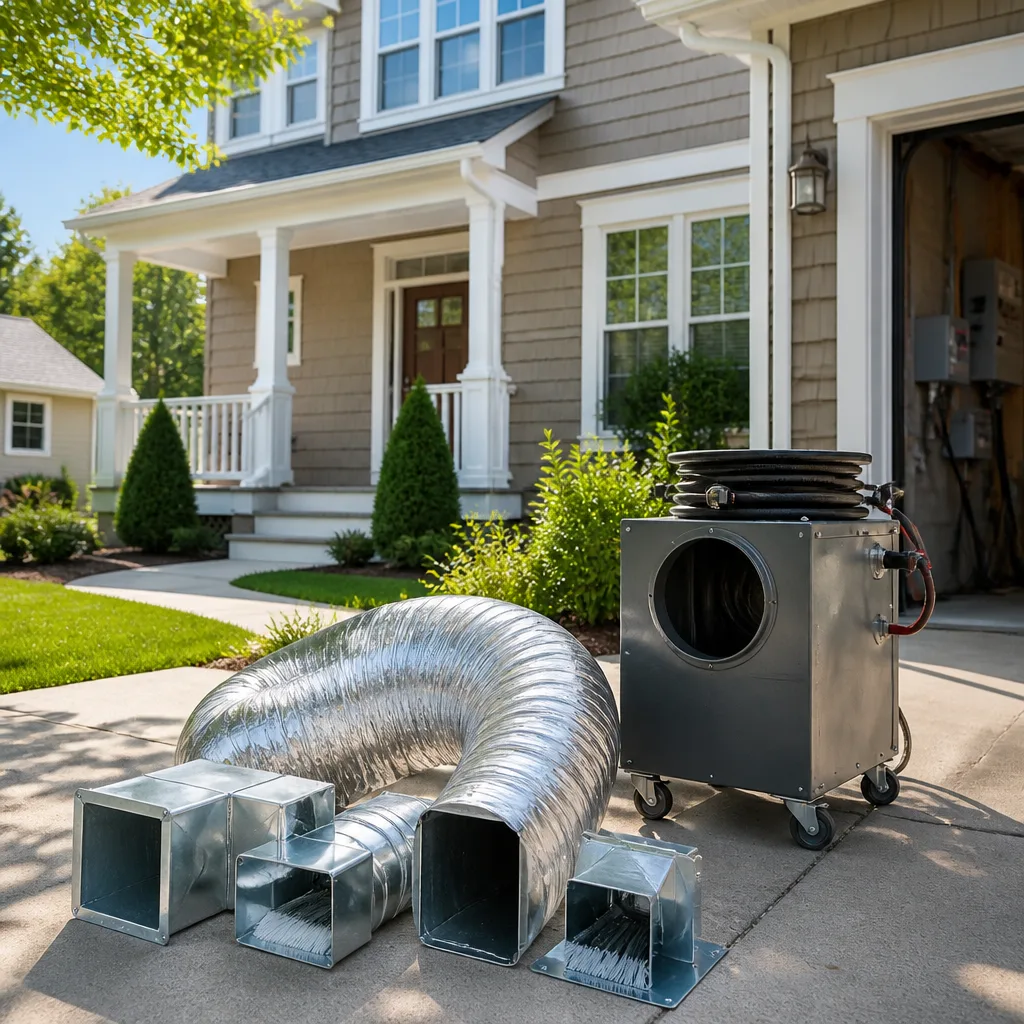
 Dryer vent cleaning
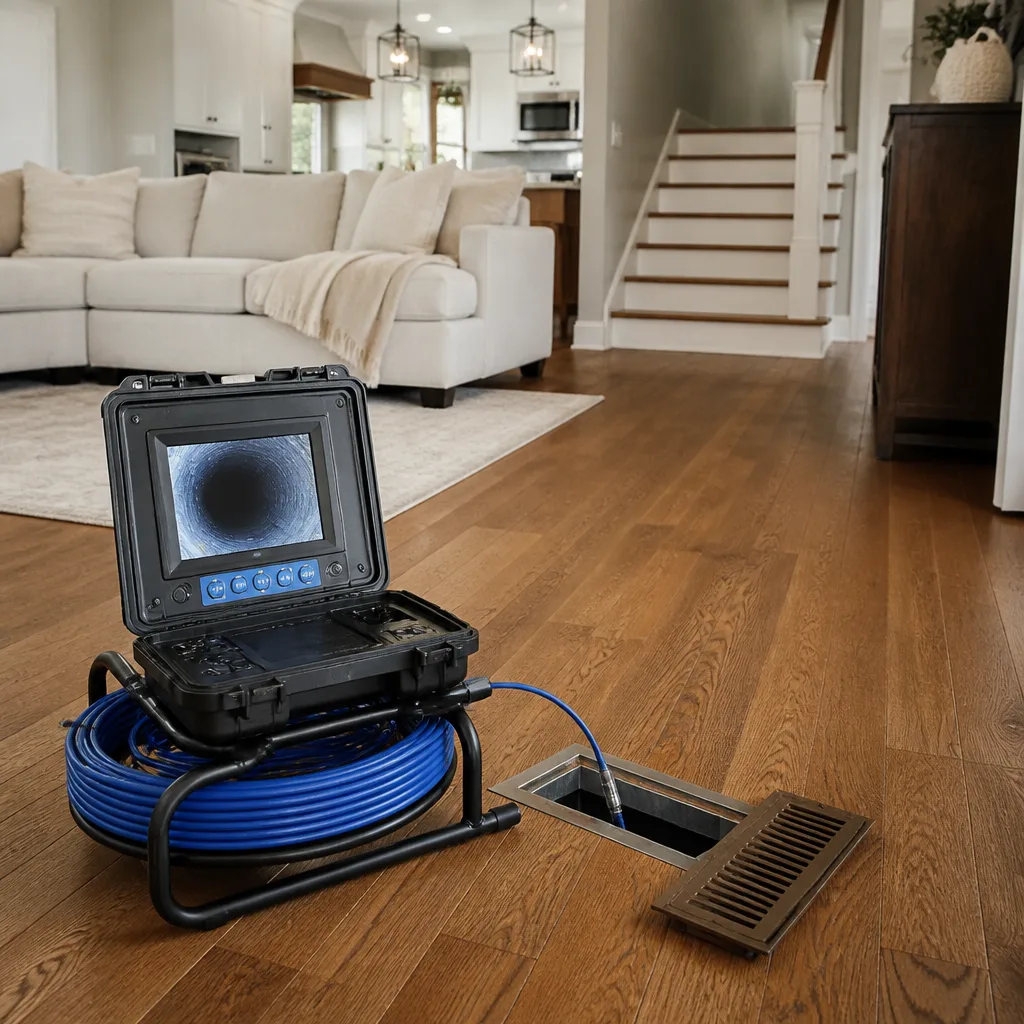 Camera inspection
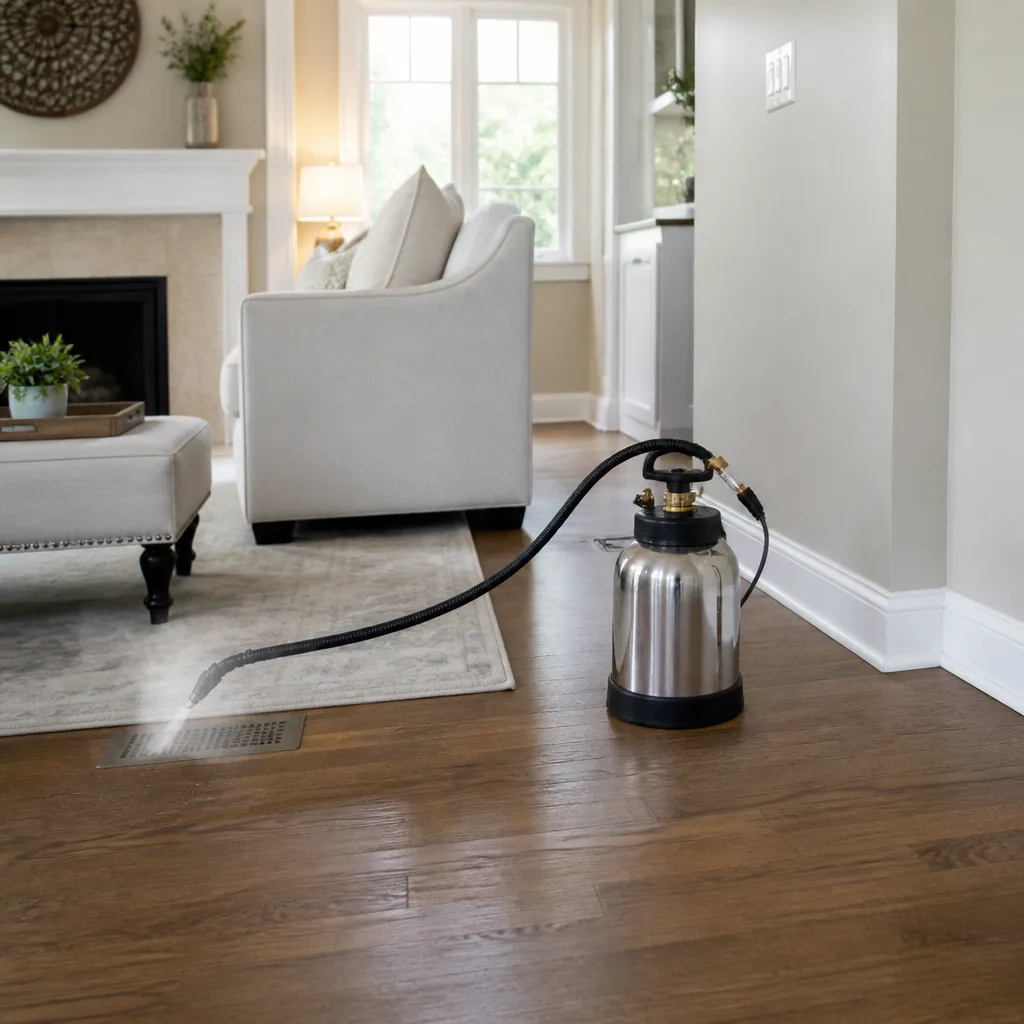 Sanitizing & deodorizing
Whole-system duct and dryer vent check with before-and-after photos - you see exactly what came out of your vents
That "$99 whole-house special" is a bait ad - the real number appears once they are in your hallway, or the "clean" is a shop-vac at the register. We photograph the inside of your ducts before and after instead.
Air Duct Cleaning Troubleshooting in Miami Gardens: Common Problems and How to Fix Them
Most homeowners call for HVAC repair when their home feels wrong. The air handler gets checked, the refrigerant gets topped off, the thermostat gets swapped, and the bill keeps climbing anyway. That’s the mistake this guide exists to prevent. A duct system can produce symptoms that look identical to equipment failure – uneven room temperatures, musty smells, dust that settles minutes after you wipe a shelf, registers that barely push air – and no amount of work on the air handler will fix a problem that lives in the ductwork. What follows is a troubleshooting framework you can use in your own Miami Gardens home to read the symptoms, sort duct issues from equipment issues, and know exactly who to call and for what.
Quick Answer
Most duct problems in Miami Gardens show up as uneven room temperatures, musty odors that return after filter changes, visible dust rings around registers, and weak airflow at some vents while others blast. These are duct-origin symptoms, not equipment failures, and they usually trace back to accumulated debris, humidity-driven biofilm in flex duct, a disconnected or collapsed run, or a pest intrusion. Start with a static pressure self-check at the registers, then call for an assessment so the whole system gets looked at before anyone quotes a cleaning.
Styles & brands we work with
- Whole-home duct cleaning
- Dryer vent cleaning
- Camera inspection
- Sanitizing & deodorizing
Table of Contents
- Is It Your Ducts or Your Equipment? How to Tell
- Why Miami Gardens Humidity Breeds Biofilm Inside Flex Duct
- The Toilet Paper Test: A Static Pressure Self-Check
- Pest Intrusion vs. Ordinary Debris: What You’re Actually Looking At
- Troubleshooting Visit or Cleaning Job? How to Know Which You Need
- Dust Rings, Black Streaks, and What Registers Tell You
- When the Problem Is a Breach, Not Dirt
- Common Mistakes to Avoid
Is It Your Ducts or Your Equipment? How to Tell
Two failing systems look alike on the surface, and separating them costs nothing. Air handlers, coils, and compressors fail with their own symptoms: a unit that short-cycles, refrigerant lines that frost, a blower that hums without spinning, or a system that cools one half of the house perfectly and ignores the other half entirely no matter which vents are open. Duct problems look different once you start paying attention to the pattern.
Duct-origin symptoms tend to be room-specific and repeatable. If your east-facing bedrooms are always three to five degrees warmer than the rest of the house when the thermostat is set the same way, that points at a duct run losing air or delivering too little. If a room feels stuffy even with the vent wide open, the run behind the wall may be crushed, disconnected at a joint, or simply too small for the air headed into it. Those symptoms do not move around. Equipment symptoms do.
Here’s how to sort them:
- Check the pattern, not the moment. Note which rooms underperform and for how long. A duct problem is consistent across days and seasons; an equipment problem often comes and goes.
- Listen at the register. A rush of air that feels strong but doesn’t cool the room means the air is escaping before delivery. That’s duct loss, not a weak compressor.
- Sniff the air. Musty, damp, or dusty odor from multiple registers points at the ducts or an interior moisture problem, not the coil.
- Look at the return. A return grille packed with dust or a filter that bows inward signals restricted airflow on the duct side.
- Watch the thermostat while the system runs. If the set point holds and the house still feels uneven, the ducts are the suspect.
None of this replaces a proper assessment, but it changes the conversation. When you can tell a technician which rooms underperform and how often, the visit shortens. That’s the point of troubleshooting before the call.
Why Miami Gardens Humidity Breeds Biofilm Inside Flex Duct
Miami Gardens sits in a climate where the air is heavy most of the year, and that matters inside your ducts as much as outside. A well-sealed flex duct run is dry on the inside under normal operation. But when a duct is under-insulated, has a small breach near a joint, or serves a room that runs cooler than the rest of the house, moisture can condense on the interior surface. Condensation feeds a thin biological film that grows on the dust already sitting on the duct wall. That film is what people describe as a “wet basement smell” coming from the vents.
Here’s where this frustrates homeowners: changing the filter doesn’t fix it. The filter catches what’s in the airstream, not what’s growing on the duct liner. If the smell returns a week after a new filter, the source is upstream.
Biofilm in flex duct tends to cluster where airflow slows – at elbow fittings, at the takeoff where a run leaves the plenum, and along the last few feet before a register. In a Miami Gardens home with a long run to a back bedroom, that last stretch is often where the smell is strongest. You’ll notice it most when the system first starts after hours off.
The fix is a proper clean coupled with a duct inspection. Rotary-brush contact cleaning lifts the biofilm from the flex liner, and HEPA-level extraction removes what’s lifted instead of blowing it into the room. We use Oasis Air Duct equipment from Rotobrush and Nikro on every job, which is the difference between removing the film and stirring it up. If a run turns out to be damaged, that gets addressed too. You can read more about our air duct cleaning scope on its own page.
The Toilet Paper Test: A Static Pressure Self-Check
Static pressure is the resistance your blower pushes against, and you can measure it crudely but usefully with a strip of toilet paper. This isn’t a diagnostic instrument, but it tells you which zones of your system are starved and which are overloaded, and that’s enough to know whether a cleaning or a repair is likely on the itinerary.
Do this with the system running on cool with all interior doors open and the thermostat calling for air. You need a single square of toilet paper, a strip of tape, and a notepad.
- Hold the square against each supply register. Lay it flat across the grille and watch what it does. It should flutter and lift steadily.
- Hold it lightly, not pressed flat. Too much pressure from your hand fakes a strong reading. Let the paper’s own weight rest on the grille.
- Rate each register from one to three. One means the paper barely moves. Three means it lifts and dances hard. Write the number directly on your notepad next to the room name.
- Repeat at the returns. A return that pulls the paper tight against the grille is working. A return that barely holds it is restricted.
- Look for the gap. Rooms rated one are the starved zones. Those runs are the ones to look at first.
What the result means:
- Most registers weak, none strong: the blower is fighting a restriction – a clogged filter, a blocked evaporator coil, or a collapsed main trunk.
- Some rooms strong, some weak: the system is delivering air, but not evenly. That points at individual run restrictions or disconnected runs.
- Everything strong but the house still feels off: the ducts may be leaking before the air arrives, or the equipment is cooling poorly. Time to look at both.
This single test is what we recommend every Miami Gardens homeowner do before booking anything. It takes fifteen minutes and it converts “my house feels wrong” into a written list of rooms and ratings that any technician can work with.
Pest Intrusion vs. Ordinary Debris: What You’re Actually Looking At
Dust is dust, but pests leave a signature. The two problems get fixed differently, so identifying which one you have saves you from paying for the wrong service.
Ordinary debris looks uniform. You’ll see it as a fine gray-brown layer, evenly distributed along the duct floor, heavier near the return and lighter near the last register of a run. That’s normal accumulation over time. Cleaning removes it and no repair is needed unless the assessment turns up something else.
Pest intrusion doesn’t look uniform. Here’s what to watch for:
- Localized piles near a joint or takeoff. Rodents and insects deposit material near their access points, not across the full run.
- Nesting material. Torn insulation, shredded paper, or grass stems gathered in a bundle inside a duct indicate a nest.
- Odor that’s sharper than dust. Rodent intrusion has a distinct ammonia note that sits above the general stale smell.
- Chew marks along the flex liner or at the register boot. Small nibbled edges at the opening mean something has been working the seam.
- Droppings visible through the grille. If you can see them without opening anything, the assessment needs to happen soon.
Why the fix is different: cleaning a duct that holds a nest without containment pushes the material into the room. That’s why our crews use Abatement Technologies equipment on heavily contaminated systems – the filtration and containment setup keeps what’s removed inside the collection system. And if the pests chewed through flex liner or a joint, cleaning alone leaves a breach. That’s where duct repair comes in, and it’s a service we handle directly rather than handing off.
Rodent access in Miami Gardens often starts at the exterior where a duct penetrates a wall or where a flex run was stapled to a boot years ago. Once a breach exists, pests come back. Fixing the duct and cleaning it is one job, not two.
Troubleshooting Visit or Cleaning Job? How to Know Which You Need
The clearest signal is whether the problem is dirt or function. A cleaning job addresses what’s been accumulating in the system. A troubleshooting visit addresses something that’s broken, disconnected, or blocked. Many jobs are both, but knowing which one you’re calling for changes the conversation and the estimate.
You need a cleaning when:
- The system has not been cleaned in several years, and dust settles back on surfaces quickly after wiping.
- There’s a consistent musty odor that returns after filter changes.
- You see even, uniform accumulation inside registers.
- You or someone in the home has noticed more dust or allergy irritation than usual and the equipment checks out fine.
You need a troubleshooting and repair visit when:
- One room is consistently wrong while the rest of the house is fine.
- You hear rattling, whistling, or a whoosh at a register that isn’t the normal air sound.
- You notice a drop in airflow at some registers that started suddenly.
- You see visible sagging flex duct in the attic or crawl space.
- A register is loose from its boot, or the grille doesn’t sit flush.
You need both when a repair reveals heavy contamination inside the affected run. In our experience, this is the most common case in older Miami Gardens homes where ductwork was installed decades ago and never assessed. A cleaning that doesn’t include a repair leaves the problem half-fixed; a repair that doesn’t include a clean leaves the contamination in place.
Dust Rings, Black Streaks, and What Registers Tell You
Registers are your best free diagnostic tool. They show what the system is doing at the delivery point, and the pattern of what you see narrows the cause fast.
A dust ring around the perimeter of a register – the classic dark outline against the ceiling or wall – usually means air is escaping around the edge before it goes through the grille. That gap pulls household dust against the surface and stains it. It’s not a duct-cleaning emergency, but it does tell you the boot is not sealed to the grille. A modest fix, and one that stops a chronic dust ring.
Black streaking trailing away from a register in one direction is different. It usually means air is moving at an angle rather than straight down, which can indicate the run behind the wall is partly blocked or the ducting is undersized for the volume it’s carrying. Over time, the streak becomes a permanent mark.
A cold register that isn’t delivering cold air – you’ll notice the supply feels like room temperature – means the air is warming on its way to the room. Under-insulated duct in a hot attic loses cooling capacity fast. In Miami Gardens, an attic can run dramatically hotter than the living space, and a run of poorly insulated flex crossing the attic is where a lot of a system’s capacity disappears. If your upstairs rooms are consistently two to four degrees warmer than downstairs, insulation on those runs is worth checking.
A drip or visible moisture near a register – usually seen as a small stain on the ceiling or wall next to the grille – means condensate is forming faster than it can drain. That’s a case for a professional look rather than a DIY investigation, and it can signal both a duct insulation issue and an equipment issue at once.
Each pattern points at a different problem, and none of them is fixed by turning down the thermostat. Read the register, then call for the assessment.
When the Problem Is a Breach, Not Dirt
Some ducting problems won’t respond to cleaning at all because the ductwork itself isn’t connected. A flex duct run can come loose from a boot, sag and crush against a truss, tear at a joint, or disconnect entirely at a takeoff. When that happens, the air handler keeps running and the air goes somewhere else. The room the run was supposed to serve gets nothing while the attic gets cooled.
Signs a repair is needed rather than a clean:
- One room never cools, regardless of the season or filter condition. A single bad run is the culprit more often than a failing system.
- A register has no airflow at all. The duct is open or fully disconnected behind the wall.
- Insulation curls out at the boot. The connection has slipped.
- The attic or garage smells like the living space. Air is escaping and pulling in attic air from breaches elsewhere.
- Visible sagging flex duct. Gravity plus age plus heat eventually collapses a run.
For many homeowners, the answer to “who fixes this?” is nobody, because duct-cleaning companies often don’t handle duct repair. That’s the reason we offer Oasis Air Duct repair as its own service, alongside cleaning. We can find the breach, seal the connection, and clean the system in one visit rather than sending you to a third party. For a Miami Gardens house built in the 1970s or 1980s, this matters more than it sounds: original duct runs have had decades of attics, heat, and settling to work through, and it’s common to find two or three disconnected joints in a single assessment.
Common Mistakes to Avoid
- Blaming the air handler for every symptom. If your HVAC technician says the equipment is fine but the house isn’t, look at the ducts before you spend more on equipment repair. The pattern of the problem – which rooms, which times – is what tells you where to look.
- Changing the filter and calling it a fix. A new filter helps when it’s the answer, and it isn’t the answer for biofilm, disconnection, or pest intrusion. If the smell returns a week after a filter change in a Miami Gardens home, the filter isn’t the problem.
- Buying box-store flex duct to patch a run. Flex duct comes in specific pressure ratings and insulation values, and a mismatched section installed in a hot Miami Gardens attic will underperform the run it replaced. Leave the material spec to whoever assesses the system.
- Ignoring the register pattern. Dust rings, black streaks, drips, and cold supplies are all free information. Note them and use them in the call.
- Booking a cleaning before knowing whether you need a repair. If a run is disconnected, cleaning it cleans the debris, not the breach. A cleaning that doesn’t address the underlying break leaves the problem in place.
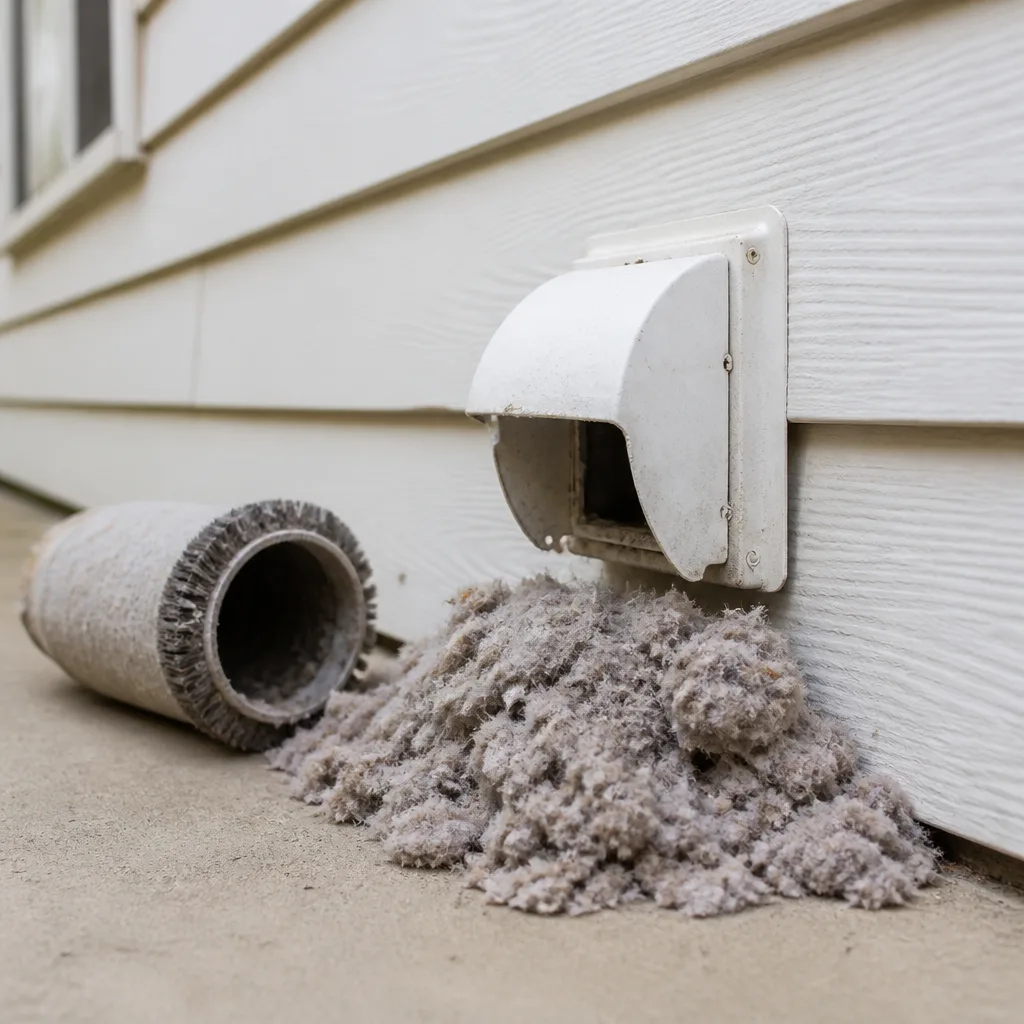
- Skipping the dryer vent because it’s a separate system. A clogged dryer vent is its own troubleshooting case, and it’s the single most common safety call we see in South Florida homes. Treat it as part of the duct system assessment, not an afterthought.
- Assuming low-bid quotes cover the same work. A low quote often means consumer-grade equipment and a short walk-through. Ask what equipment the crew uses and how it captures what it removes.
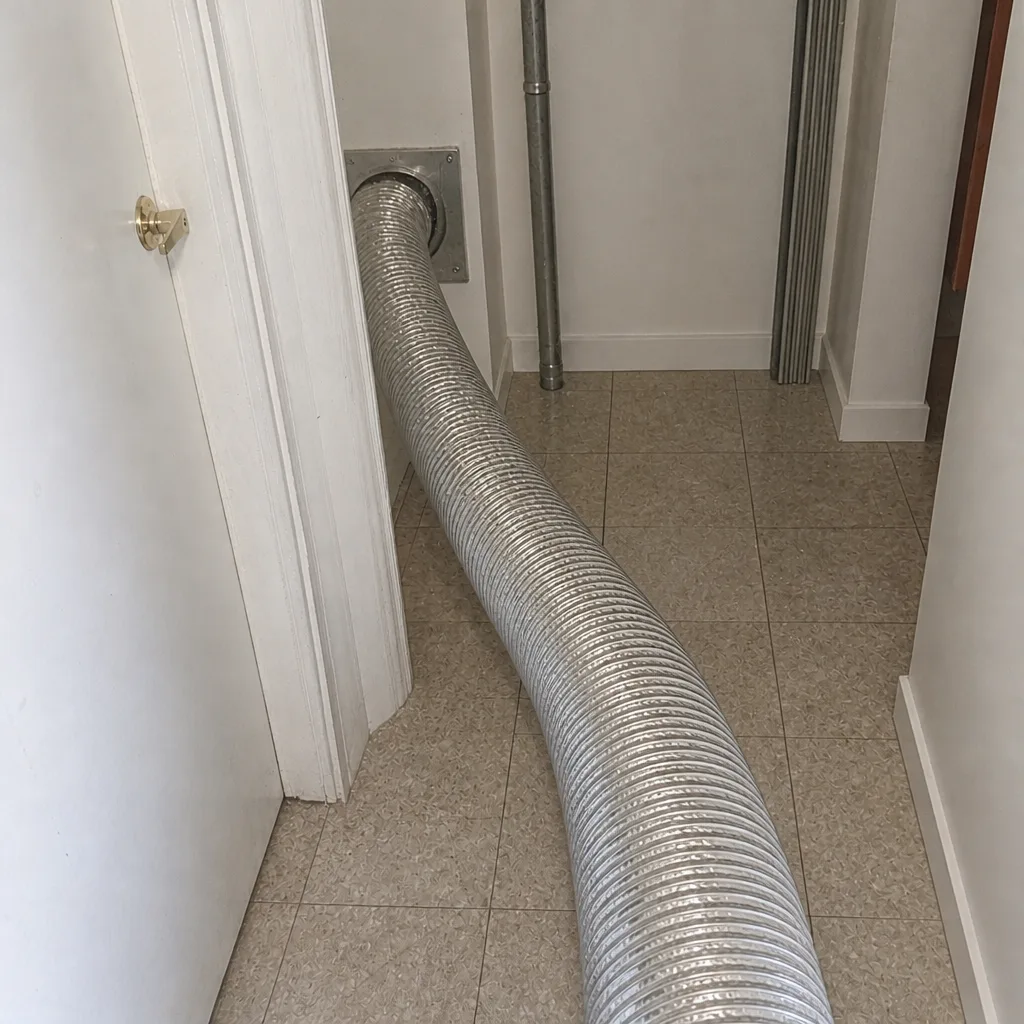
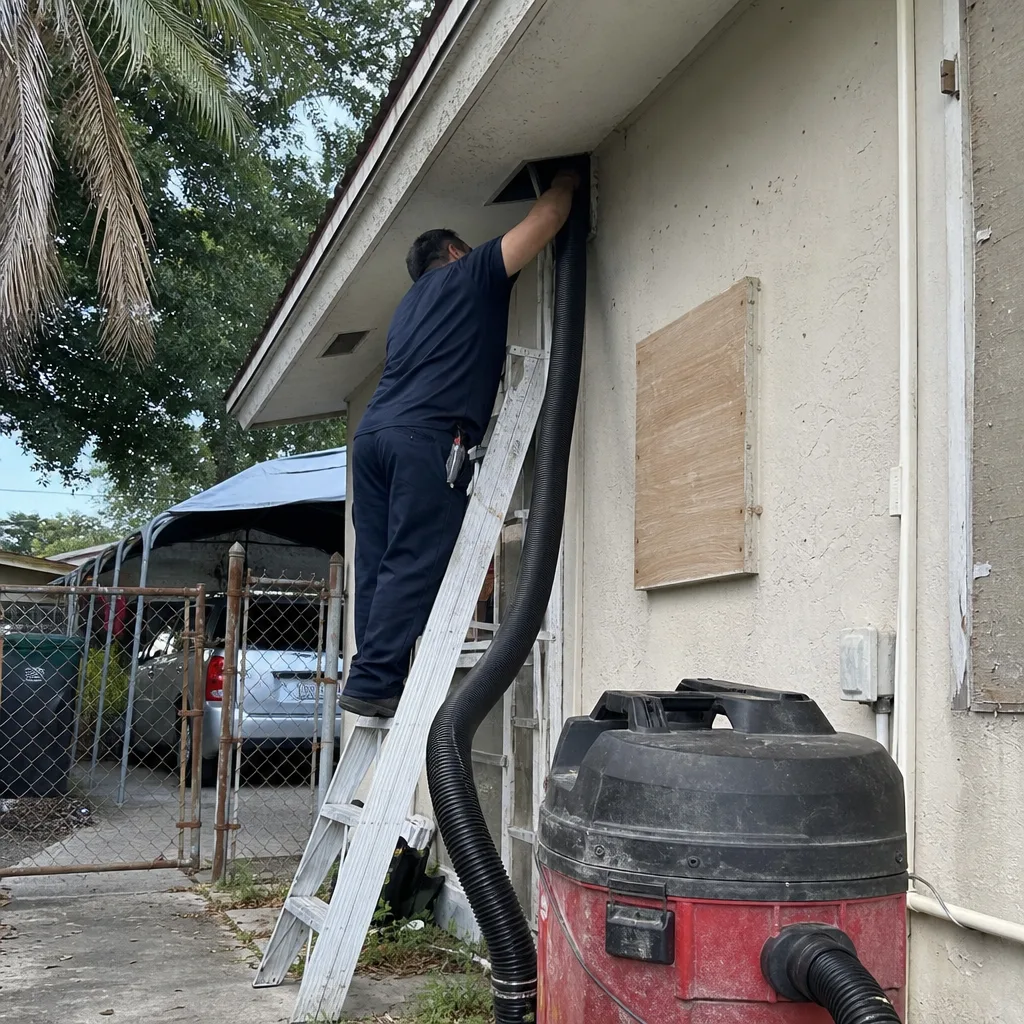
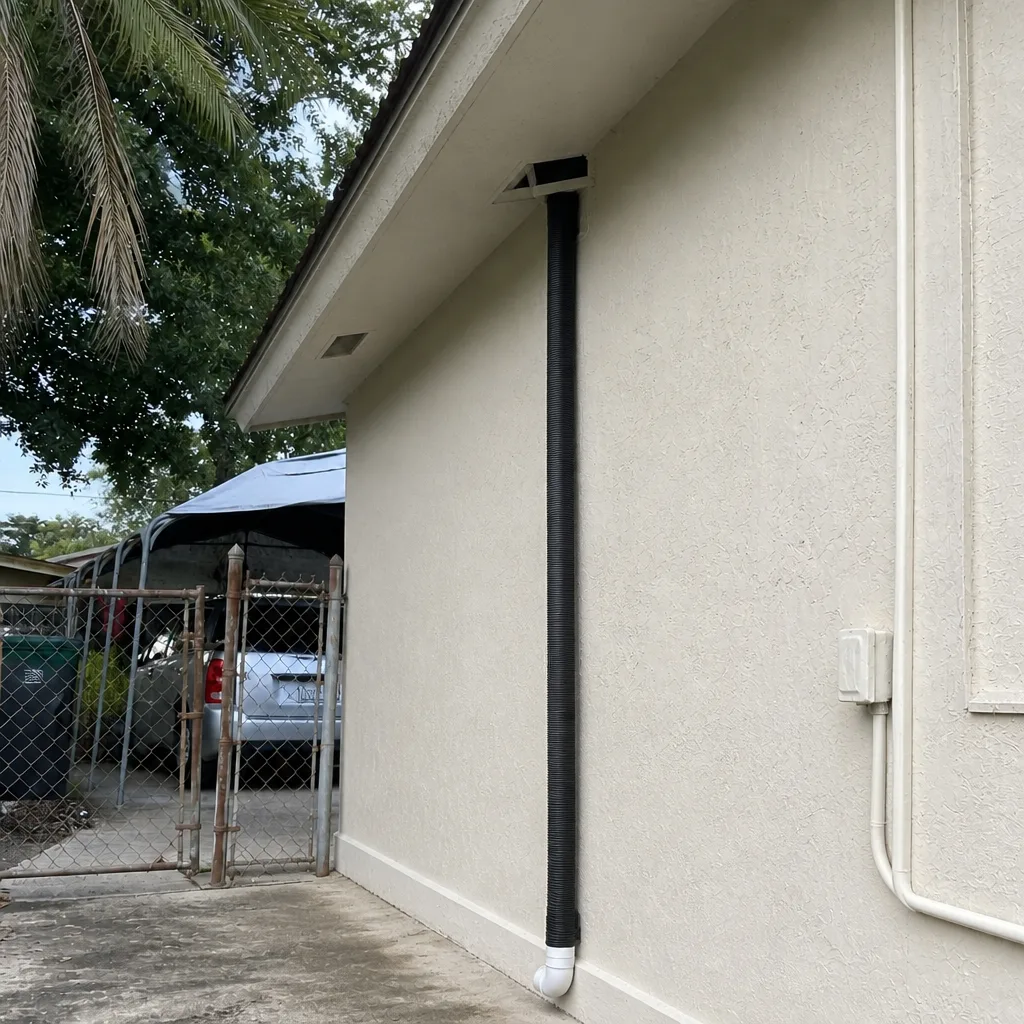
See the difference
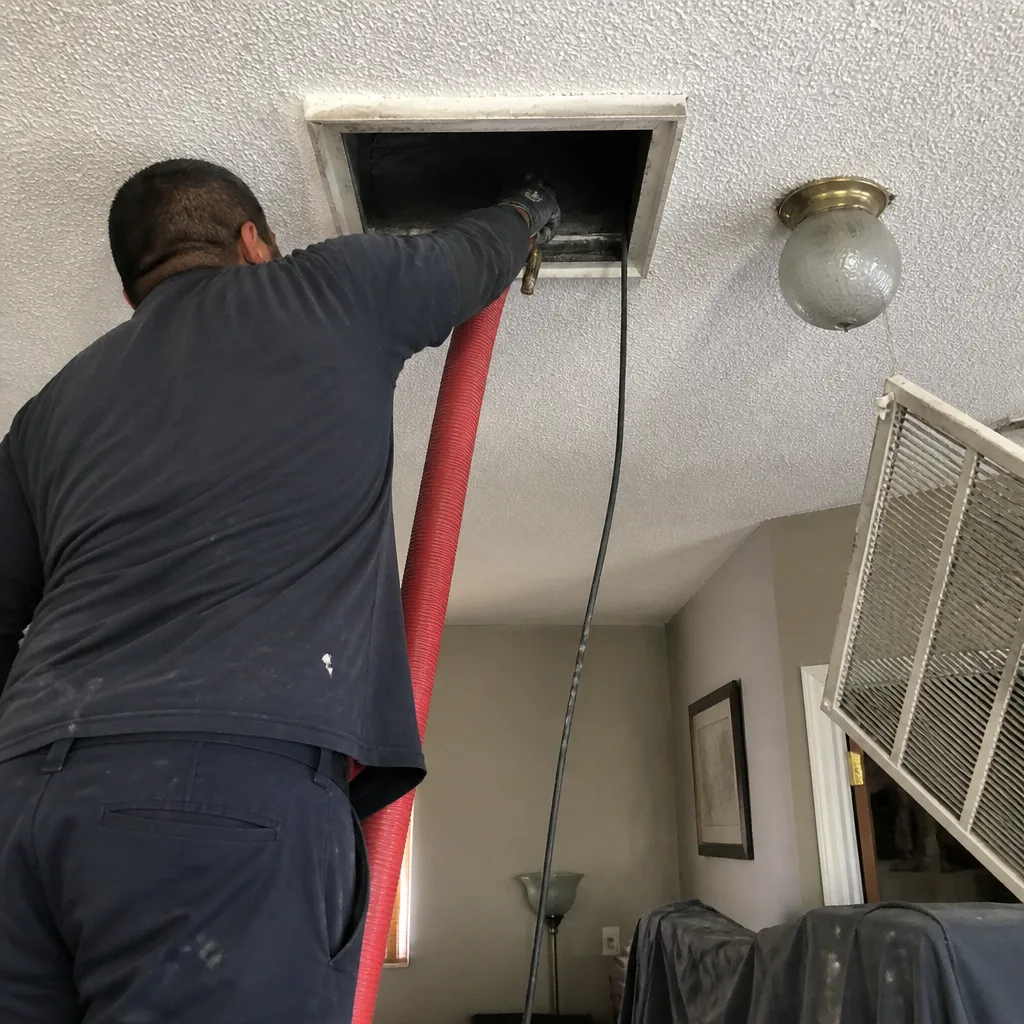 Before
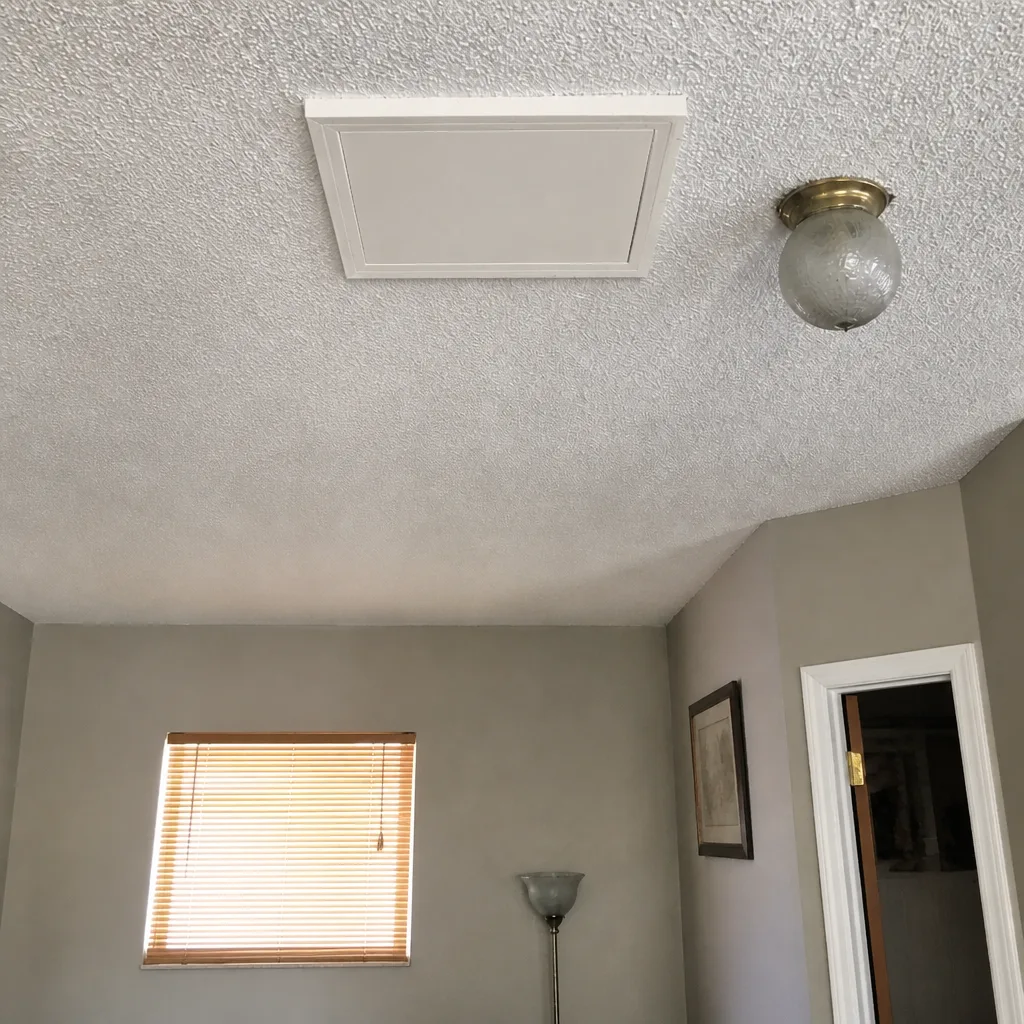 After
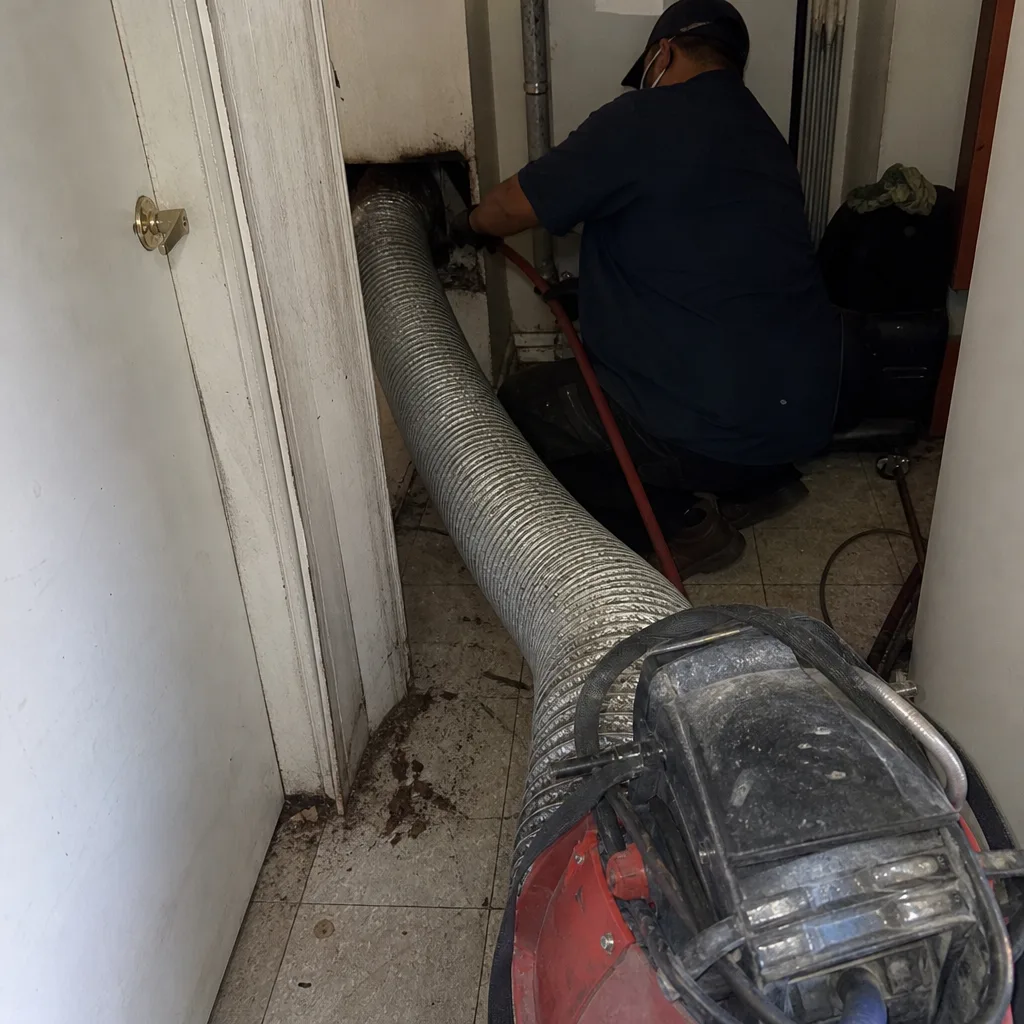 Before
 After
 Before
 After
When to Call a Professional
Call for an assessment when the toilet paper test shows a consistent gap between rooms, when a musty odor returns after filter changes, when you see localized debris or pest material in a register, or when one room never cools no matter what you do to the thermostat. Call sooner if you see moisture at a register, smell something sharp rather than musty, or find chew marks near a boot. These signal moisture damage or pest intrusion, and both get worse with delay.
If your dryer is taking longer to dry, the vent is running hot to the touch, or you’ve never had the dryer vent cleared, that warrants its own call – and we handle dryer vent cleaning as a standalone service. Oasis Air Duct offers free estimates in Miami Gardens and throughout the surrounding area. Our technicians can assess, clean, and repair the full duct system rather than sending you to two or three separate contractors.
Call (833) 384-3692. We answer 24/7. Fast dispatch from 7am to 7pm, Sunday through Friday.
Frequently Asked Questions
Cleaning addresses contamination; repair addresses broken or disconnected ductwork. If you see even, uniform dust across registers and notice stale odors that return after filter changes, cleaning is the likely service. If one room consistently underperforms, a register has no airflow, or you see sagging flex duct, repair is likely needed – and often a cleaning on the affected run as well. The toilet paper test and register-pattern observations narrow it down before you call.
The smell is coming from something upstream of the filter, usually biofilm growth on the interior of flex duct. Miami Gardens humidity condenses on under-insulated or slightly breached duct runs, and a film develops on the dust that’s already inside. A new filter catches what’s in the airstream but doesn’t touch the film on the duct wall. Cleaning with rotary-brush contact tools and HEPA-level extraction is the fix, and it’s often paired with a duct inspection to confirm nothing else is contributing.
It tells you which registers are starved and which are overloaded, which is a useful pressure reading in a basic form. Hold a square of toilet paper flat against each supply register while the system is running, rate each one from one to three based on how much the paper moves, and write the numbers down. A wide gap between strong and weak registers points at individual run problems; all weak points at a system-wide restriction. Fifteen minutes of work turns “the house feels wrong” into actionable information.
The price depends on the number of runs, the condition of the system, and whether duct repair is needed. We don’t quote per register or hold to a low teaser figure – we price each job by written estimate after an assessment, and that estimate is the final price for that scope. What you get for the estimate is a whole-system look, not just a count of vents, and if a duct repair is needed, we can do it in the same visit. Call (833) 384-3692 for a free estimate.
Cheap quotes typically reflect cheap equipment – a shop vacuum and a blower rather than professional-grade systems – and a shorter visit. The work you’re comparing against should include rotary-brush contact cleaning, HEPA-filtered extraction, and a whole-system assessment. Ask what brand of equipment will actually be used and what’s captured versus what’s just pushed around. A low quote that doesn’t include rotary-brush cleaning or HEPA extraction is not a smaller version of a professional job; it’s a different service.
Ask for before-and-after photos of your own system, not stock photos from a brochure. Registers, boots, plenum connections, and the interior of a takeoff are all reasonable shots to include. Our crews document the system before cleaning begins and after it’s finished, so you can see the difference in the run you were worried about. Combined with a written estimate that lays out scope, that’s the record to measure against the invoice.
Yes. Moisture is the difference between ordinary dust accumulation and biofilm growth, and that’s a problem specific to warm-humid climates. Houses here see more condensation inside duct runs than homes in dry climates, especially where insulation is compromised or a run crosses a hot attic. That makes duct inspection in Miami Gardens more important than a basic cleaning schedule would suggest, and it makes sealing any breaches a priority when the assessment turns one up.
The Bottom Line
Troubleshooting duct problems is about reading the pattern before you call. Uneven rooms, lingering musty odors, dust rings, weak registers, and localized debris each point at a different cause. The toilet paper test and register observations give you a short list of suspects. From there, the question is whether you need cleaning, repair, or both. In Miami Gardens, humidity and decades-old flex duct make both more likely than in a milder climate, and a company that can assess, clean, and repair the whole system saves you from chasing a problem across three contractors. Oasis Air Duct serves Miami Gardens with the full three-service scope: we clean it, we repair it, we clear it.
Call (833) 384-3692 for a free estimate. We answer 24/7. Fast dispatch from 7am to 7pm, Sunday through Friday.
Written by the team at Oasis Air Duct, serving Miami Gardens since 2013.