
Last updated November 14, 2026
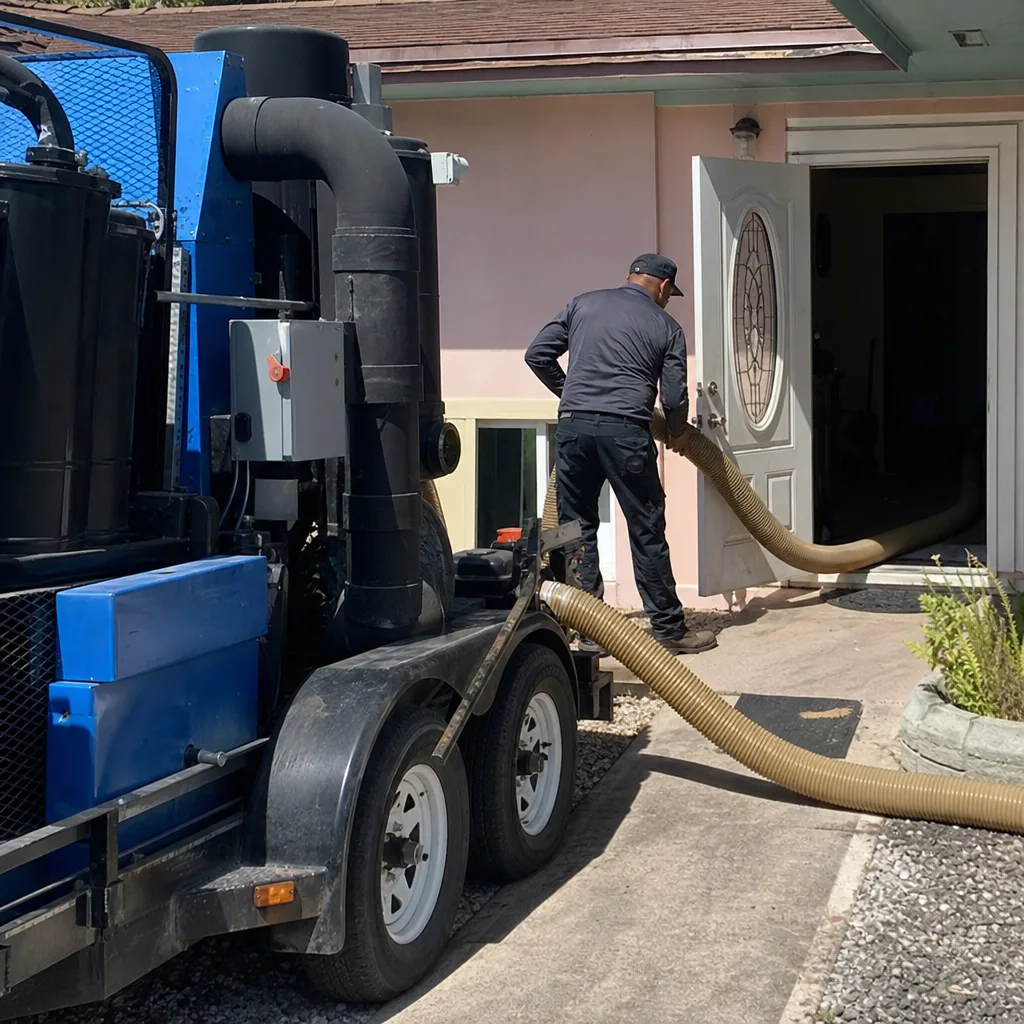
 Whole-home duct cleaning
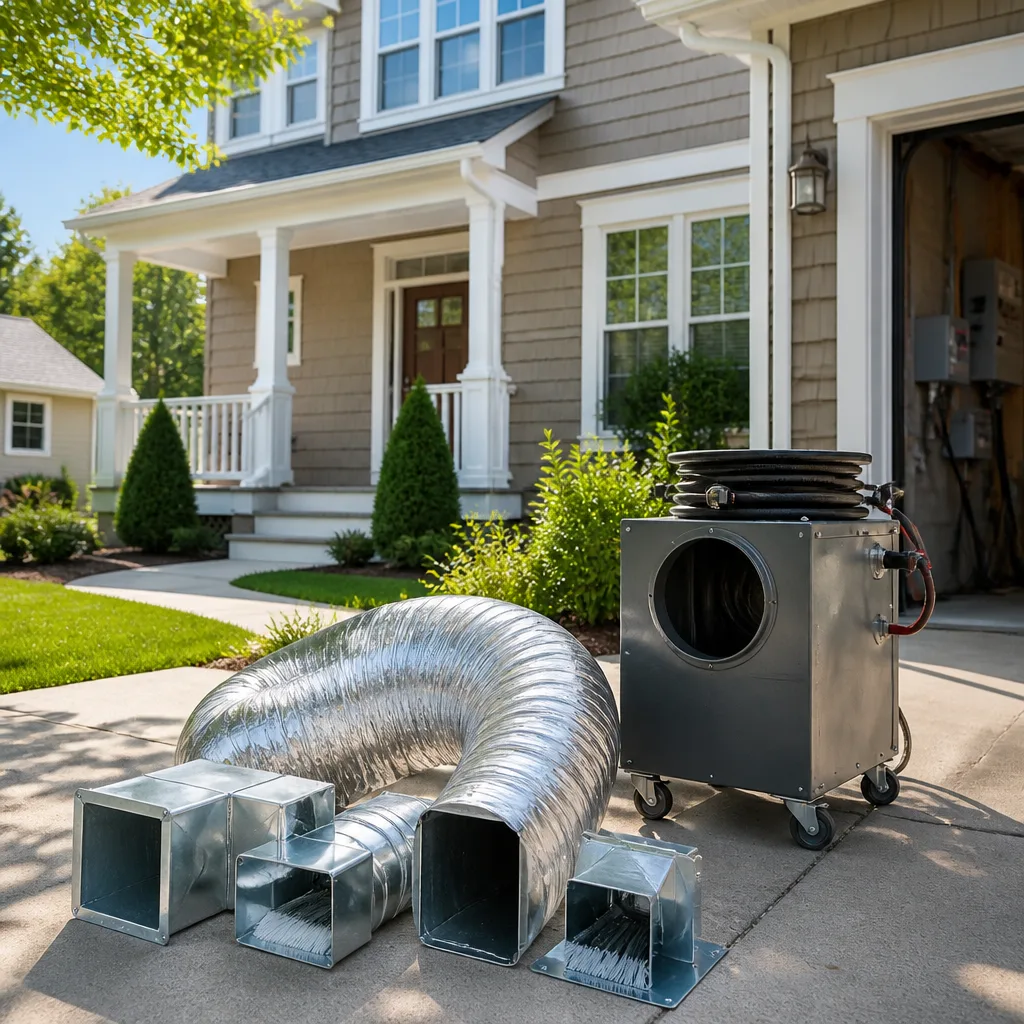
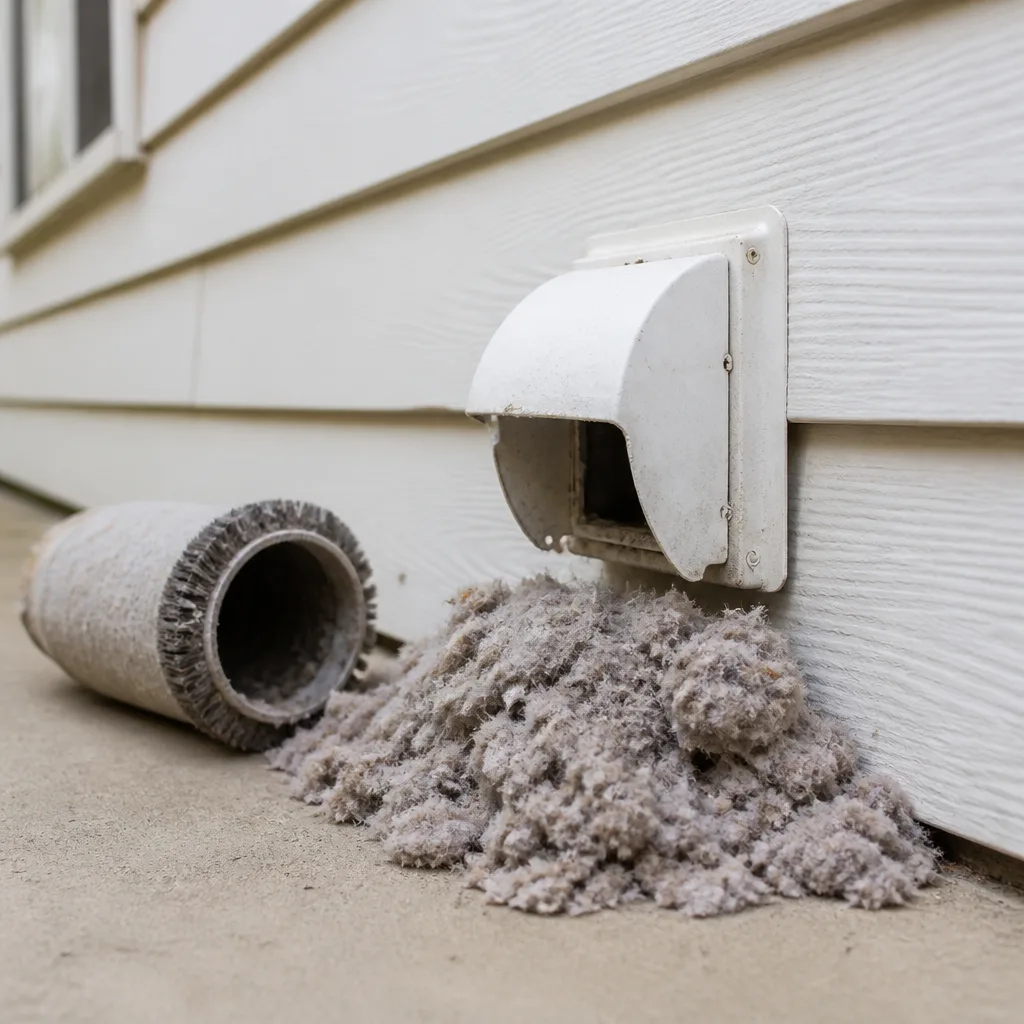 Dryer vent cleaning
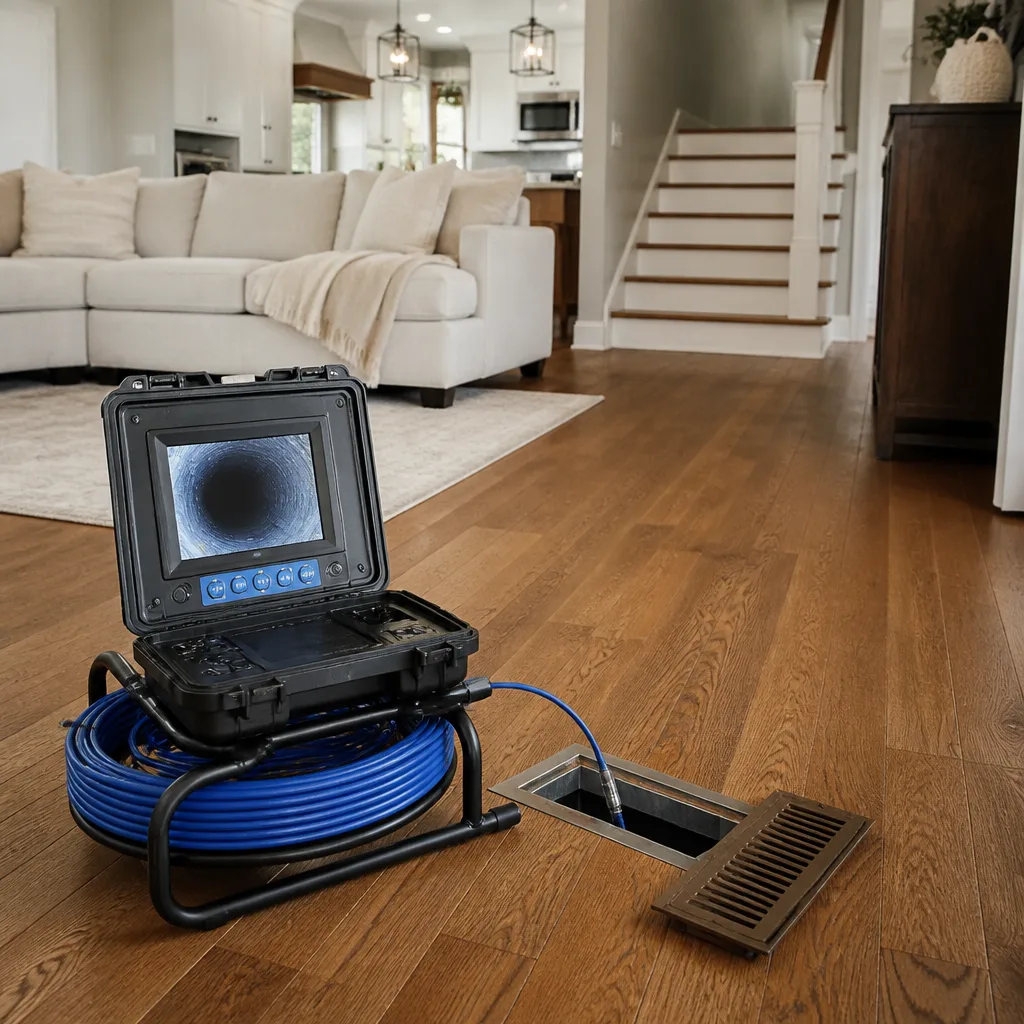 Camera inspection
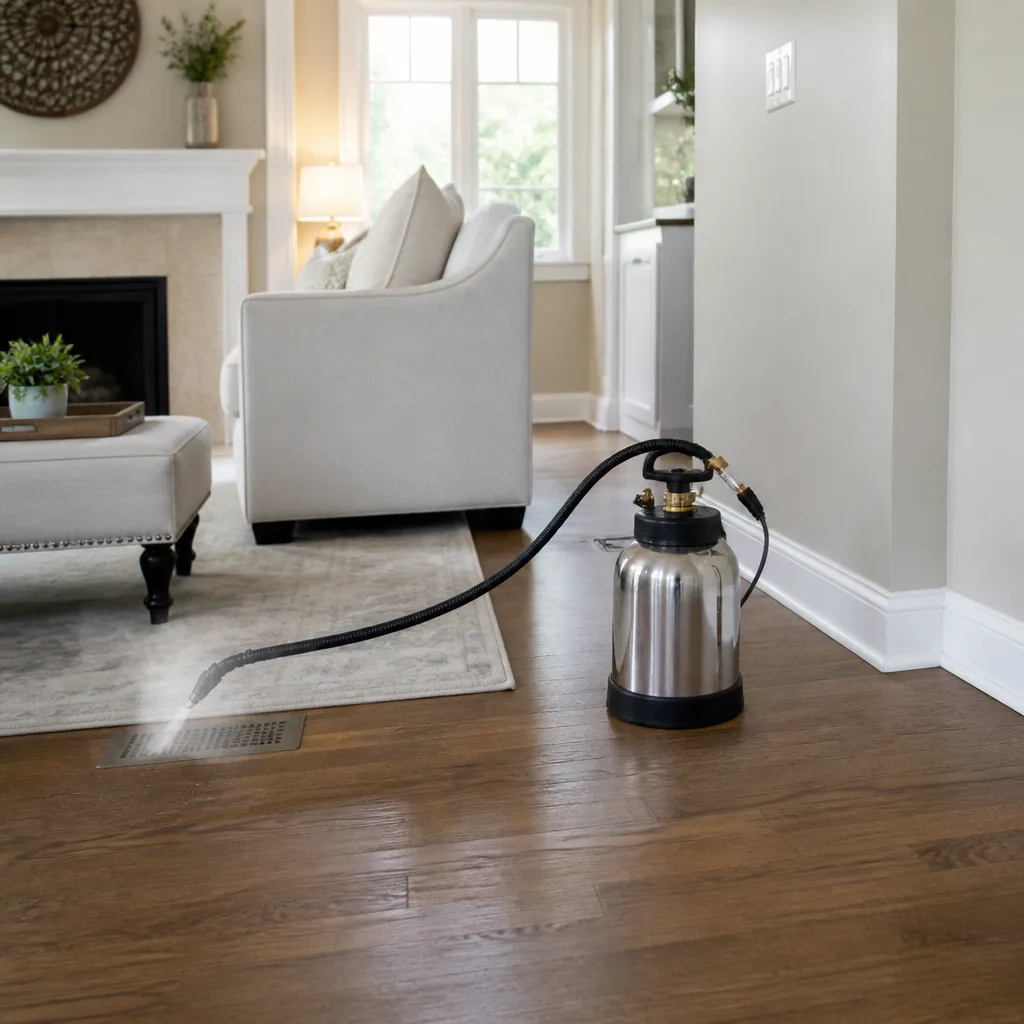 Sanitizing & deodorizing
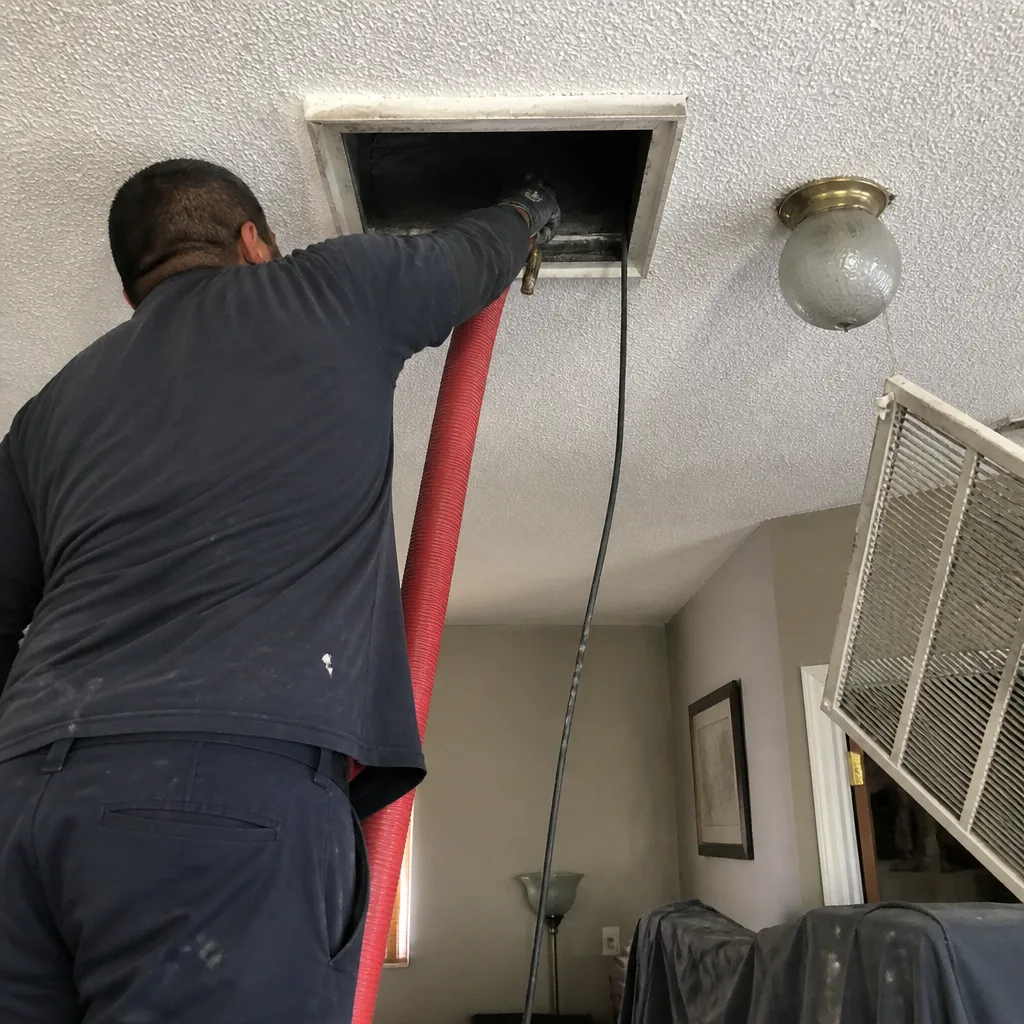
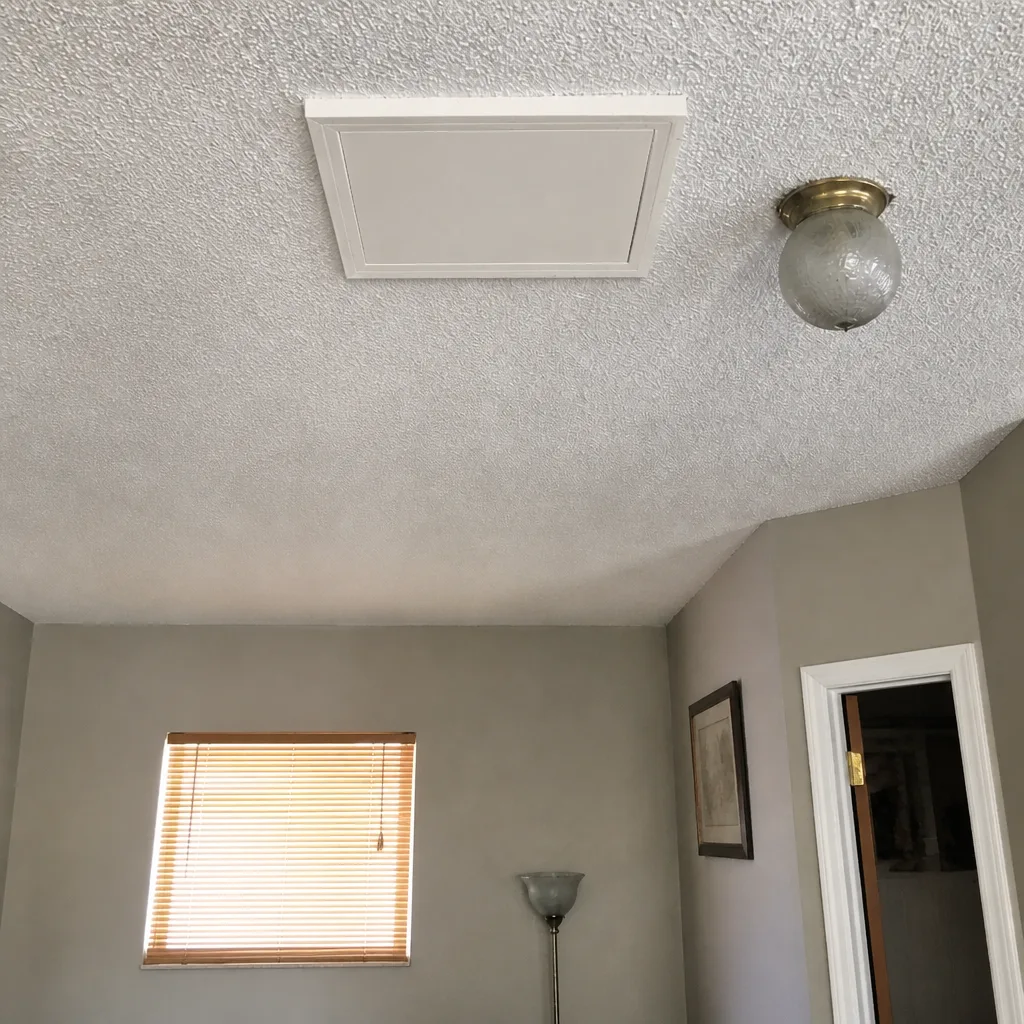
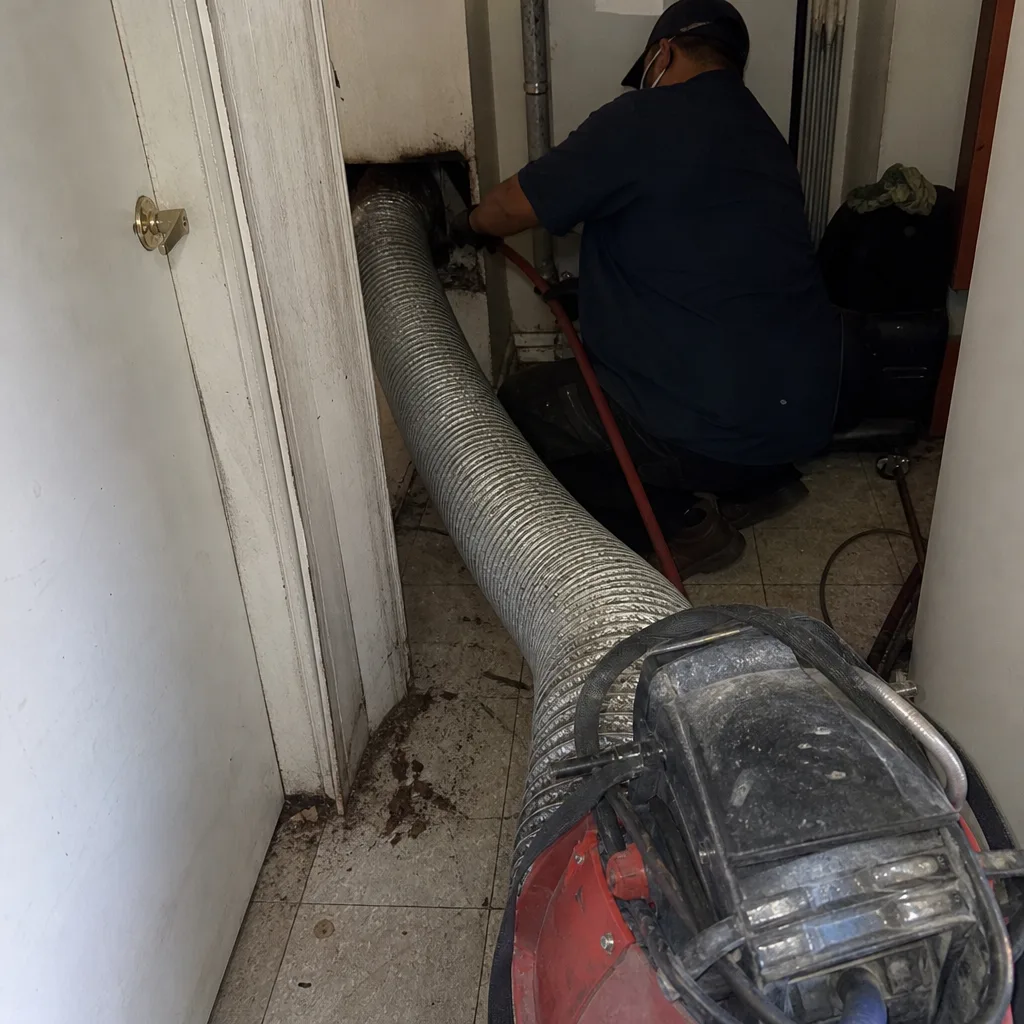
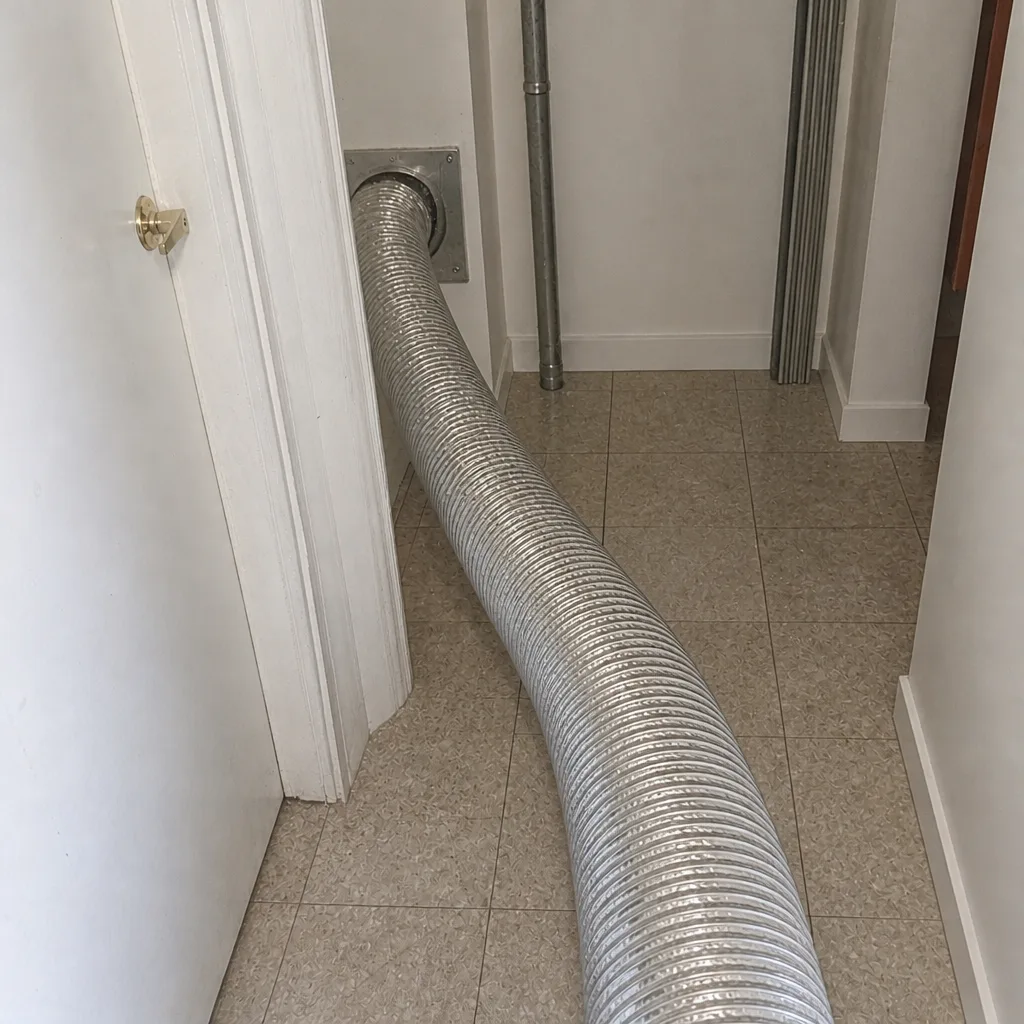
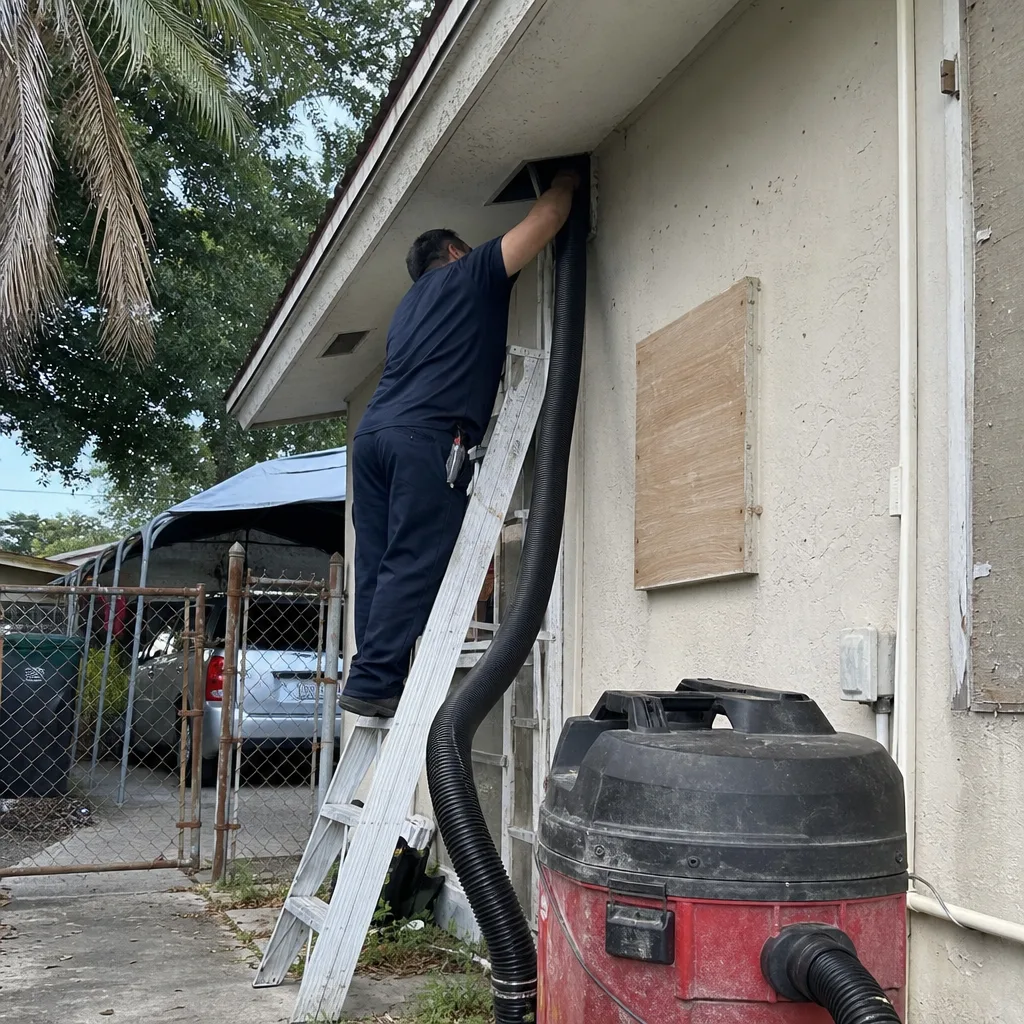
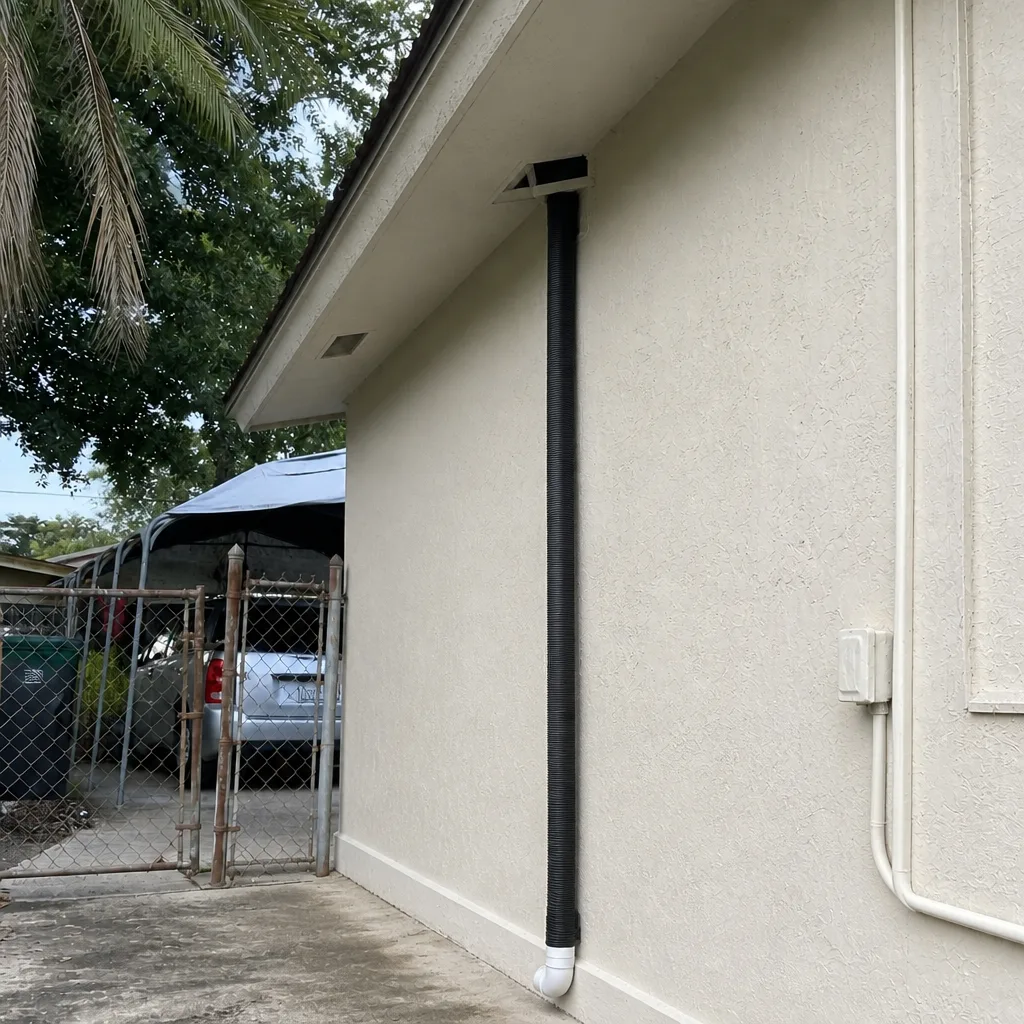
Whole-system duct and dryer vent check with before-and-after photos - you see exactly what came out of your vents
That "$99 whole-house special" is a bait ad - the real number appears once they are in your hallway, or the "clean" is a shop-vac at the register. We photograph the inside of your ducts before and after instead.
Choosing the Right Air Duct Cleaning Brand: A Buyer’s Guide for Miami Gardens
Here’s the thing most homeowners miss: there is no nationally recognized duct cleaning brand the way there’s a trusted name for tires or paint. When you search for the best air duct cleaning company in Miami Gardens, you’re not really choosing between brands. You’re choosing between pieces of equipment you’ll probably never see, operated by a process you’ll never fully watch. That’s uncomfortable, and it’s why so many people default to whoever has the flashiest website or the lowest coupon. In this guide, we’ll show you how to read the real signals – the vacuum system, the agitation method, the certifications, the insurance, the intake experience – so your decision rests on capability rather than marketing. Miami Gardens deserves a clearer way to choose.
Styles & brands we work with
- Whole-home duct cleaning
- Dryer vent cleaning
- Camera inspection
- Sanitizing & deodorizing
Quick Answer
The best air duct cleaning company in Miami Gardens is the one that can tell you exactly what equipment it deploys (a rotary-brush system and a HEPA-filtered vacuum, not a shop vac), can explain its agitation and extraction process, carries real liability and errors-and-omissions coverage, holds verifiable credentials, and gives you a written whole-system estimate before any work starts. Company name and logo matter far less than those operational details. Evaluate the truck, the process, and the paper trail, and the brand decision takes care of itself.
Table of Contents
- Why There’s No Real “Brand” in Duct Cleaning
- The Equipment Questions That Reveal a Company’s Capability
- What Professional Certifications Actually Signal
- Local Reputation Signals That Beat Star Ratings
- Why Low-Bid Franchise Operators Often Underperform
- What Your First Contact Reveals About a Company
- How a Proper Whole-System Assessment Works
- Common Mistakes to Avoid
- When to Call a Professional
- Frequently Asked Questions
Why There’s No Real “Brand” in Duct Cleaning
In most industries, a brand name carries built-in expectations. In duct cleaning, that comfort is an illusion. There’s no dominant national name that guarantees a certain standard of work, so what looks like brand choice is really equipment and process choice in disguise. A homeowner who picks a company by name recognition alone – or by the size of its ad budget – is judging the wrapper instead of the contents.
What actually distinguishes one duct cleaning company from another in Miami Gardens comes down to three things: what’s in the truck, how the crew is trained to use it, and what the company stands behind after the truck leaves. A company can have a polished logo and still show up with improvised tools. Another can have a plain name and arrive with a full professional platform. The name tells you almost nothing. The equipment tells you almost everything.
This is why we built Oasis Air Duct around naming the equipment we use rather than asking you to trust a slogan. We use Rotobrush rotary-brush systems and Nikro HEPA-filtered vacuum equipment – the same professional platforms used by remediation and commercial contractors, not consumer-grade machines. When you can name what’s cleaning your ducts, you can compare it against anyone else’s answer.
Miami Gardens sits in a warm, humid climate where air conditioning runs most of the year and ductwork is in near-constant use. That reality raises the stakes on getting the equipment right. A system that runs almost continuously collects more dust and biological debris than one that rests half the year. Choosing on capability rather than name is how you protect a duct system that has little downtime.
The Equipment Questions That Reveal a Company’s Capability
You don’t need to be a technician to evaluate equipment, but you do need to ask specific questions and listen for specific answers. Vague replies about “the latest technology” should raise a flag. A capable company can name its systems, explain how they work, and tell you why that platform was chosen.
Start with the vacuum system. A professional duct cleaning vacuum is a dedicated, high-capacity unit designed to pull debris out of the system under negative pressure while keeping it contained. Consumer shop vacuums and improvised blowers don’t create that containment, which means debris can end up back in your living space or redistributed through the ducts. Ask what brand and type of vacuum the crew uses. If they can’t name it, that’s your answer.
Next, ask about the agitation method. Dust clings to duct walls, so it has to be loosened before it can be extracted. A rotary-brush system does that mechanically, scrubbing the interior of the duct. Ask whether the company uses rotary brushes, air whips, or something else, and why.
- What vacuum platform do you use, and what’s its brand? A professional HEPA-filtered system with a named manufacturer signals real capability. “A big vacuum” does not.
- How do you agitate the dust off the duct walls? Look for a mechanical brush or rotary system, not just blowing air.
- How do you keep debris out of the air while you work? Ask about filtration and containment. Abatement Technologies filtration equipment, for example, reflects remediation-level containment.
- Do you inspect before and after? A company that photographs or documents the system before and after gives you proof the work happened.
- Do you repair what you find? A duct system can have breaches, collapsed sections, or disconnected runs that cleaning alone won’t fix. Ask if they repair, or only clean.
We mention this because the answers separate operators cleanly. In Miami Gardens, where homes vary from older construction to newer builds, the range of duct conditions a crew meets is wide. Equipment designed for that range – not a one-size machine – is what produces a thorough result.
What Professional Certifications Actually Signal
Certifications are useful, but they’re not the whole story, and homeowners often over-read them. A certification signals that a company or technician met a training or membership standard at a point in time. It doesn’t guarantee the crew on your job will use the right equipment, and it doesn’t tell you how a company handles problems after the fact.
The most referenced credential in this field is NADCA membership, which points to the National Air Duct Cleaners Association. It’s a meaningful signal of professionalism and a commitment to industry standards. But membership is not the same as third-party certification of every job, and it’s not a substitute for asking about equipment and insurance. Likewise, EPA lead-safe certification matters specifically when work touches older homes that may contain lead paint, but it doesn’t speak to duct-cleaning quality itself. State-level contractor licensing is separate again: it establishes that a business is registered to operate, but it doesn’t rank one company above another on skill.
What certifications don’t do is replace your own due diligence. Here’s how to verify them independently:
- Ask for the credential name and check the issuing organization’s website directly rather than relying on a logo on a truck.
- Confirm the certification belongs to the company that will actually do the work, not a parent franchise.
- Ask whether the individuals performing your job hold any training relevant to duct cleaning specifically.
- Confirm active liability insurance and errors-and-omissions coverage, and ask for proof you can review.
In our experience, a company that’s confident about its credentials is happy to point you to where you can check them. Reluctance to be verified tells you something in itself. For Miami Gardens homeowners, treating credentials as one data point among several – alongside equipment and insurance – keeps the evaluation honest.
Local Reputation Signals That Beat Star Ratings
Google star ratings are easy to game and hard to interpret. A company can have a cluster of glowing reviews from a handful of jobs and still fall short on the day. What tells you more about a duct cleaning company in Miami-Dade is subtler: how long it has actually operated here, whether it carries real coverage, and how it responds when something goes wrong.
Longevity in Miami-Dade matters because the local housing stock and climate shape the work. A company that has been serving South Florida for years has seen the range of systems this region produces and knows how humidity and year-round cooling affect duct interiors. That’s not the same as a franchise that pipes in a national script.
Insurance is the quiet signal homeowners skip. Liability insurance and errors-and-omissions coverage protect you if something is damaged during the job. Ask for proof, and notice how readily it’s provided.
Then there’s the question of complaints. Ask the company directly how it handles a call-back or a problem after service. A company that has a clear answer – and stands behind its work – is telling you how it will treat you if the unexpected happens. Here’s a quick checklist of reputation signals worth weighing:
- How many years has the company operated in Miami-Dade specifically?
- Can it provide proof of liability and errors-and-omissions insurance?
- Does it have a stated process for handling post-service concerns?
- Are its reviews specific about equipment and process, or vague praise?
- Does it work from a local base or dispatch from far outside the area?
Those signals don’t live on a star rating. They live in the answers you get when you ask.
Why Low-Bid Franchise Operators Often Underperform
It’s worth understanding why some of the loudest, cheapest offers in this market come from franchise-model operators – and why that model can limit service quality. A franchise system standardizes equipment and process across many locations, which helps consistency but can leave an individual operator boxed in. When the business competes mainly on price and volume, the pressure runs toward the cheapest compliant equipment rather than the best available.
That economic pressure shows up on the job. A franchise operator working to a low bid may have less time per system, less incentive to investigate a suspicious section of duct, and less reason to offer repair when cleaning alone won’t solve the problem. Independent specialists, by contrast, can invest in higher-grade equipment and take the time to assess the whole system, because their competitive edge is the quality of the work rather than the size of the discount.
None of this is an argument against every franchise. It’s an argument against choosing by price and logo alone. When you ask the equipment questions in the previous section, the franchise pressure becomes visible: operators that standardized on consumer-grade tools can’t match a company that runs professional platforms.
At Oasis Air Duct, our position is equipment-serious. We deploy Abatement Technologies filtration equipment when a system calls for remediation-level containment, and we partner with Honeywell and Aprilaire product lines so we can recommend integrated filtration and ventilation rather than stopping at the cleaning visit. That’s a different model from the low-bid path, and it’s deliberate. We clean it. We repair it. We clear it.
What Your First Contact Reveals About a Company
Your first interaction is a preview of service day. How a company answers the phone, how it scopes your home, and whether it gives you a written estimate tell you a lot about the operational standards you’ll experience when the crew arrives.
Professional intake looks like this: someone who asks about your home’s age, the number of systems, any symptoms you’ve noticed, and whether the ducts have ever been cleaned. They don’t quote a firm number before seeing the system, and they don’t promise a teaser price that will grow once the van is on the drive. That last point matters, because bait-and-switch is the reputation problem in this industry – a low coupon price that becomes a far larger invoice.
A proper in-home scoping is diagnostic. The person assessing your home should look at the full system – the air handler, the main trunk, the branch runs, the registers – and identify anything that needs more than cleaning, such as a disconnected run or a compressed section. Then they should give you a written, whole-system estimate, not a per-vent price that invites add-ons.
When you call a company, notice how the call goes. Do they answer your equipment questions directly? Do they explain the process in plain terms? Do they put the estimate in writing? If you’re evaluating companies in Miami Gardens, these early signals are the most honest forecast of what your service day will look like.
How a Proper Whole-System Assessment Works
A good duct cleaning visit begins with assessment, not with a machine. The goal is to understand the whole system before touching it, so the cleaning addresses what’s actually there. Here’s how a thorough assessment typically unfolds:
- Walk the system. The technician traces the air handler, main trunk, and branch runs, noting registers, returns, and any signs of disconnection or damage.
- Inspect for breaches. Collapsed sections, disconnected runs, and gaps are common in older ductwork. These need repair, not just cleaning.
- Confirm the cleaning scope. A whole-system estimate covers cleaning all connected components, not just the visible vents.
- Set containment. Professional filtration and containment keep debris out of your living space during the job.
- Agitate and extract. Mechanical brushes loosen the debris, and a HEPA-filtered vacuum pulls it out of the system.
- Document before and after. Photos or inspection give you proof the work was done.
That whole-system view is why air duct cleaning done right can’t be reduced to a price per vent. The number of registers tells you little about how much work the system actually needs. A cramped older Miami Gardens home with a long trunk run and several branches is a different job than a newer build with a short run, even if the register count looks similar.
It’s also why we offer Air Duct Repair alongside cleaning. When the assessment finds a breach or a disconnected run, cleaning alone leaves the problem in place. One company that can assess, clean, and repair the full system – rather than clean and hand off – keeps the work coherent. Oasis wants your air to finally get a clean start, and that starts with an honest look at the whole system.
Common Mistakes to Avoid
- Choosing by name recognition alone. There’s no dominant national brand in duct cleaning, so a familiar-looking logo means less than the equipment behind it. Ask what’s in the truck before you decide.
- Biting on a teaser coupon price. A very low advertised number often grows once the crew is on-site. Insist on a written whole-system estimate agreed before work starts.
- Accepting a per-vent quote. Per-vent pricing invites add-ons and doesn’t reflect the real scope of the job. Ask for one flat price for the whole system.
- Skipping the insurance question. Without proof of liability and errors-and-omissions coverage, you carry the risk if something is damaged. Ask, and verify.
- Assuming cleaning fixes everything. Breaches, collapsed runs, and disconnections need repair, not just cleaning. Choose a company that can assess and repair the whole system.
- Never asking to see proof of the work. Before-and-after documentation of your own system is how you know the cleaning actually happened. Ask for it up front.
- Overlooking the dryer vent. Dryer vent cleaning is a safety-critical job in its own right. A company that treats the full duct system as one connected concern is a better fit than one that ignores it.
Miami Gardens homeowners run into these traps because the market is crowded and the marketing is loud. Slowing down to ask the right questions – equipment, insurance, estimate, proof – filters most of the risk out before you spend a dollar.
When to Call a Professional
Some situations call for a professional assessment rather than more waiting. If you’ve just moved into a home and don’t know its duct history, a whole-system look is the safest starting point. If anyone in the household has allergies or respiratory sensitivities, duct condition is worth checking. If you’ve noticed visible dust settling quickly, weak airflow from some registers, or musty odors when the system runs, those are signals to investigate. If a renovation or construction project has finished, the ducts may need attention too. And if you’ve never had the ducts cleaned, having them assessed correctly the first time saves guesswork later.
Dryer vents deserve their own prompt. A clogged dryer vent is a fire and performance concern, so it’s worth a professional look rather than a household workaround. Oasis Air Duct offers free estimates in Miami Gardens – call (833) 384-3692. We answer 24/7. Fast dispatch from 7am to 7pm, Sunday through Friday. You can also learn more about dryer vent cleaning and the wider Miami Gardens service area.
Frequently Asked Questions
The best company in Miami Gardens is the one that can name its equipment, explain its process, prove its insurance, and give you a written whole-system estimate. Rather than ranking companies by name, evaluate them on those operational details – equipment platform, agitation method, containment, and post-service handling. Call (833) 384-3692 for a free estimate and ask us the same questions.
Because every system is different, pricing is per job by written estimate, not a flat per-vent number. A whole-system scope means the price reflects the actual work, and the written estimate sets the final price before anything begins. Call (833) 384-3692 for an exact quote – estimates are free.
Cheap quotes usually reflect cheaper equipment, less time per system, and add-on risk once the crew is on-site. A low advertised price can grow into a larger invoice after the van arrives. The honest way to compare is to ask what equipment each company uses and insist on a written whole-system estimate. Call (833) 384-3692 to see the difference equipment makes.
Ask for before-and-after documentation of your own duct system. A company that photographs or inspects the system before and after gives you verifiable proof. If a company can’t show you the work, that’s a reason to keep asking questions. Call (833) 384-3692 to see how we document a job.
There’s no single universal schedule; it depends on your home, your occupants, and what the system looks like inside. Homes with allergy sufferers, recent renovations, or a history of never being cleaned often benefit from a professional assessment sooner. Ask for an honest look at your system rather than a fixed timeline. Call (833) 384-3692 for a free estimate.
Yes. We serve Miami Gardens and the surrounding Miami-Dade area, treating each home’s duct system as one connected concern – cleaning, dryer vent work, and repair under one roof. Call (833) 384-3692 to confirm your address and book a free estimate. We answer 24/7. Fast dispatch from 7am to 7pm, Sunday through Friday.
The Bottom Line
In Miami Gardens, choosing the right air duct cleaning brand is really choosing the right capability. There’s no national name that does the vetting for you, so the work falls to you: ask what equipment a company uses, how it agitates and contains debris, whether it can repair the whole system, and whether it carries real insurance. Weight local longevity and written estimates over star ratings. Avoid teaser prices and per-vent quotes. When you evaluate the truck and the process instead of the logo, the decision gets simpler and the result is a duct system that’s genuinely clean. That’s what Oasis is built to deliver.
Ready to put these questions to a company that answers them? Call Oasis Air Duct at (833) 384-3692 for a free estimate. We answer 24/7. Fast dispatch from 7am to 7pm, Sunday through Friday.
Written by the team at Oasis Air Duct, serving Miami Gardens since 2013.
See the difference
 Before
 After
 Before
 After
 Before
 After