
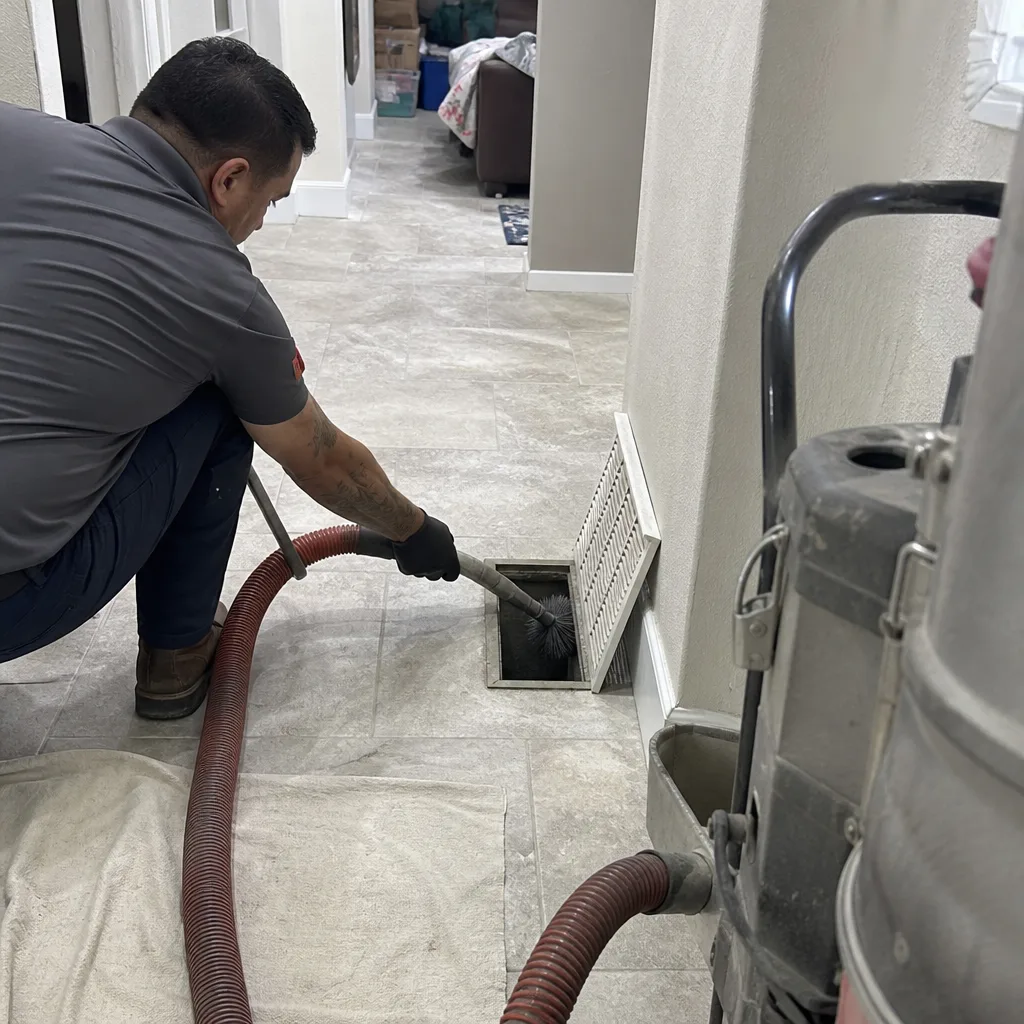
Last updated November 14, 2026
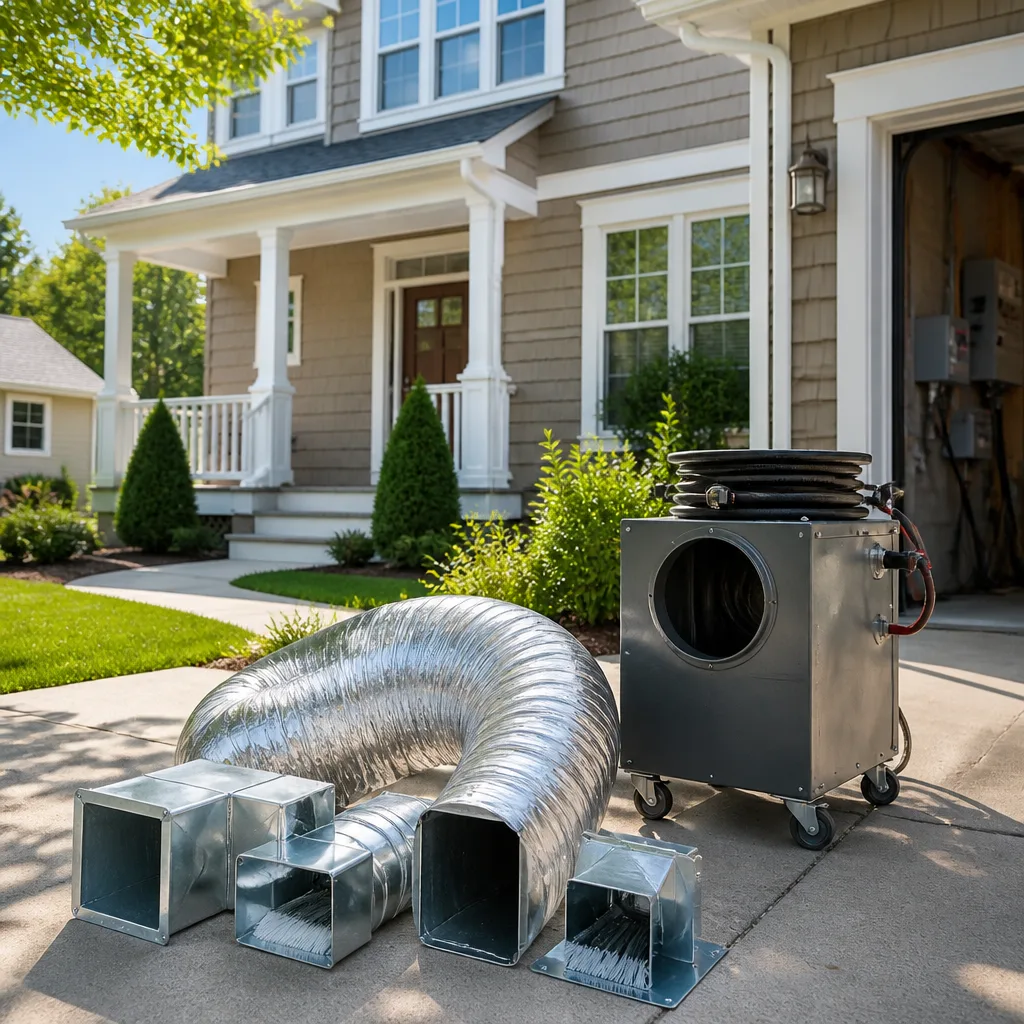 Whole-home duct cleaning
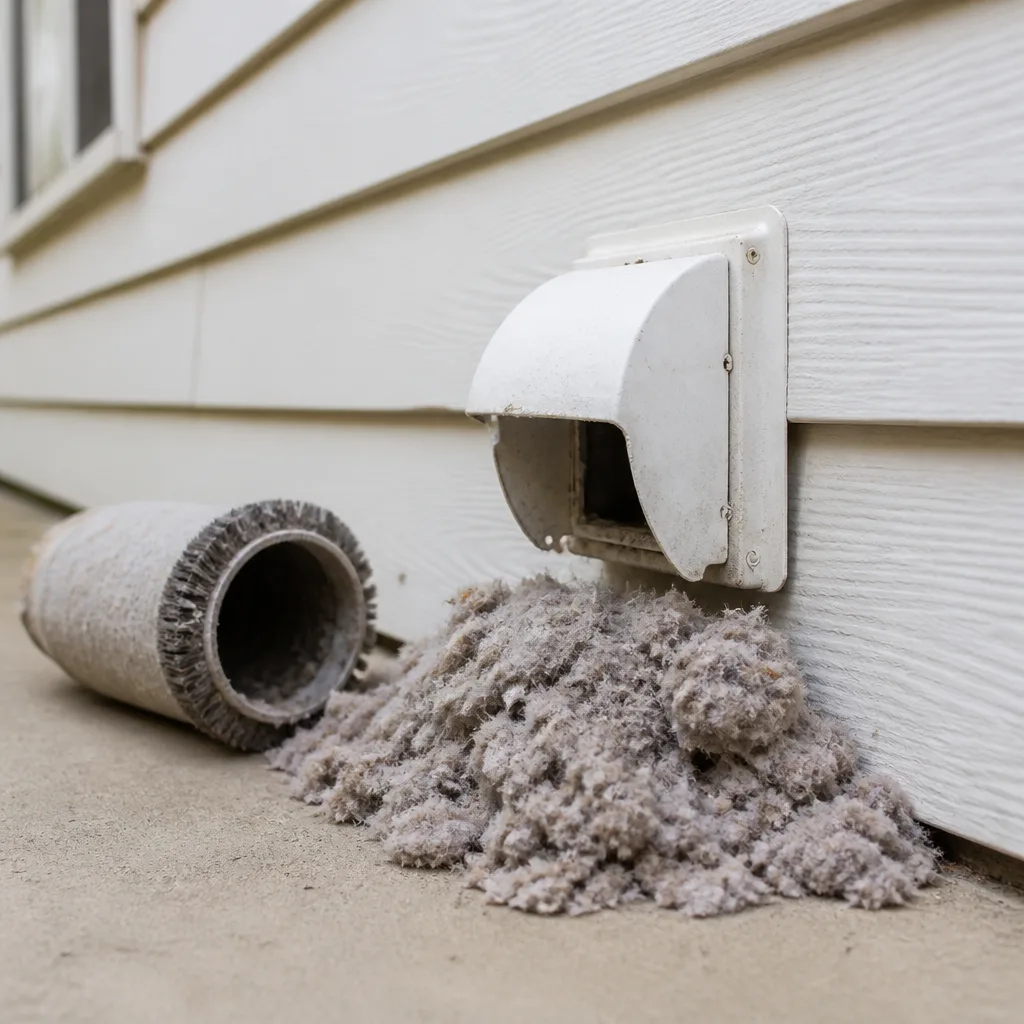 Dryer vent cleaning
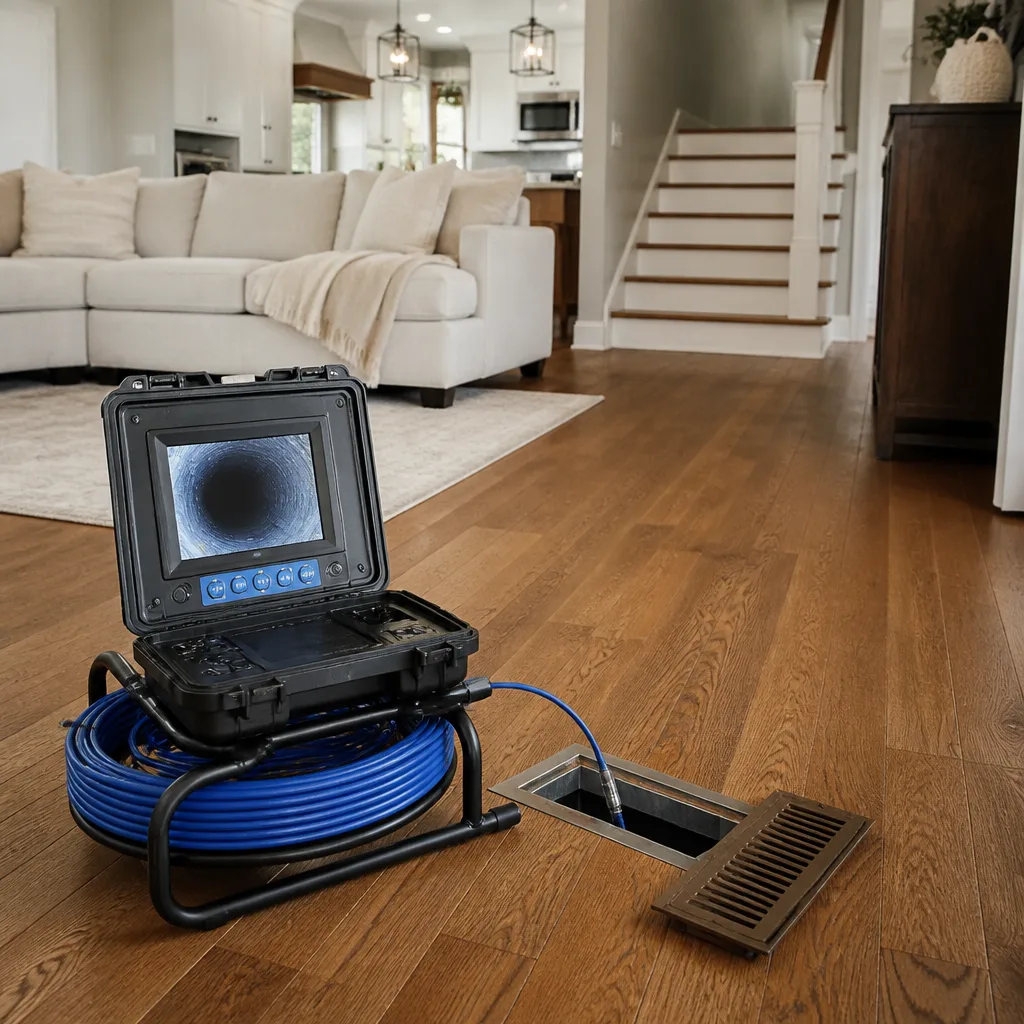 Camera inspection
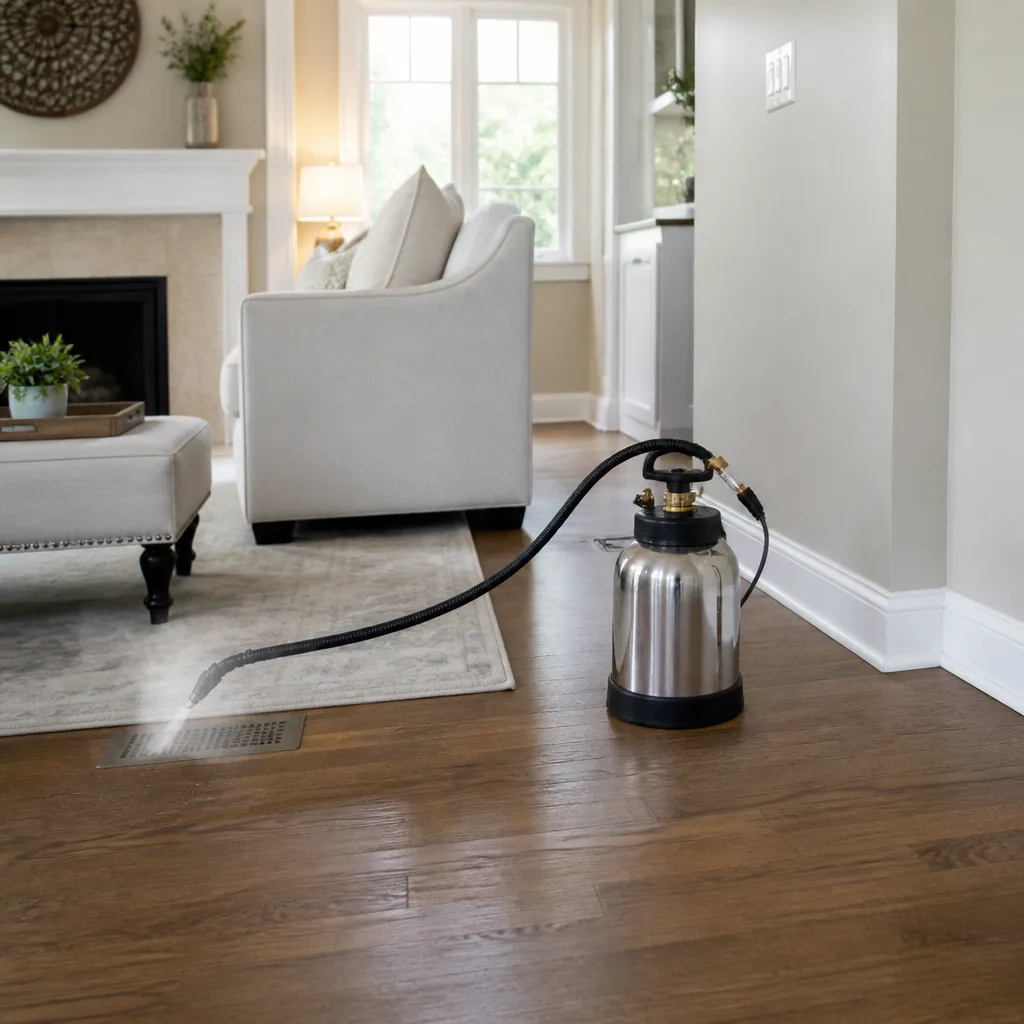 Sanitizing & deodorizing
Whole-system duct and dryer vent check with before-and-after photos - you see exactly what came out of your vents
That "$99 whole-house special" is a bait ad - the real number appears once they are in your hallway, or the "clean" is a shop-vac at the register. We photograph the inside of your ducts before and after instead.
Air Duct Cleaning Emergency Preparedness Guide for Miami Gardens Homes
Most Miami Gardens households already know the storm-season drill: shutters ready, water stored, generator tested, important papers in a waterproof box. The duct system almost never makes that list. That’s the gap this guide fills. Your ducts are the one part of the house that keeps circulating whatever a storm leaves behind, and a contaminated system can keep doing it long after the last shutter comes down. We wrote this for homeowners who want duct preparedness to be a real, concrete part of their storm plan rather than an afterthought. You’ll get the pre-storm checklist, the post-storm assessment sequence, the insurance documentation steps, and the thresholds that tell you when cleaning is urgent versus when it can wait for a scheduled visit in Miami Gardens.
Quick Answer
Duct emergency preparedness for a Miami Gardens home means three things: sealing and shutting down the system before a storm, inspecting and documenting it before you run it afterward, and knowing the specific conditions – standing water at seams, visible mold, storm debris drawn into returns – that make post-storm cleaning an urgent response instead of a routine booking. A clean system before the storm is dramatically easier and cheaper to restore than a contaminated one, because there’s far less material for moisture and debris to cling to.
Styles & brands we work with
- Whole-home duct cleaning
- Dryer vent cleaning
- Camera inspection
- Sanitizing & deodorizing
Table of Contents
- Why Ducts Are the Missing Piece in a Miami Gardens Storm Plan
- Pre-Storm Duct Preparation: What to Do Before Landfall
- What Actually Enters South Florida Ducts During a Storm
- Post-Storm Assessment: Run the System or Wait?
- Documenting Duct Condition for an Insurance Claim
- Urgent Versus Scheduled: Setting the Threshold
- When Storm Damage Means Repair, Not Just Cleaning
- Building Duct Preparedness Into Your Yearly Routine
Why Ducts Are the Missing Piece in a Miami Gardens Storm Plan
Think about what a duct system actually is: a network of hollow channels running through the attic, walls, and ceilings of your home, connected to the outside world through return grilles, supply registers, and the outdoor unit. During normal weather that network moves filtered air. During and after a storm, it becomes a pathway. Wind-driven rain finds gaps at seams and boots. Pressure changes push humid outdoor air inward. Loose debris and insulation fibers get pulled toward any opening.
Here’s the part most preparedness advice skips. A duct system that was already dirty before the storm doesn’t just carry new contaminants – it holds onto them. Dust and debris on interior surfaces act like a sponge for moisture. In South Florida’s humidity, that moisture doesn’t dry out quickly, and damp organic material inside a dark, warm duct is exactly the condition mold needs. So the same storm that leaves your roof intact can leave your air quality compromised for months.
That’s why we treat pre-storm duct preparation as the higher-leverage half of the job. If your system is clean going in, there’s far less material to absorb water and feed growth. Restoration after the storm becomes a straight-forward cleaning and inspection rather than a long, unpleasant recovery. Homeowners across Miami Gardens deal with the same heat and humidity we do, and the difference between a prepared system and an unprepared one shows up fast once the weather clears.
One more local reality: Miami Gardens has a wide mix of housing stock, from older single-family homes to newer construction and townhome communities. Older systems often have more seam gaps and less-sealed connections, which means more entry points for storm-driven air. Newer systems tend to be tighter but can still take on water at exterior penetrations if boots and flashings aren’t sound. Either way, the preparation steps are similar – the inspection priorities shift a little.
Pre-Storm Duct Preparation: What to Do Before Landfall
Pre-storm preparation is mostly common sense applied to a part of the house people forget. The goal is to keep water and debris out and to leave the system in a state that’s easy to assess afterward. Here’s the sequence we recommend for Miami Gardens homeowners as a storm approaches.
- Seal the exterior openings you can reach. Check the outdoor unit, the return grille on the exterior wall if you have one, and any vent caps on the roof line. Loose caps and gaps around penetrations are where wind-driven rain gets in. Tape or cap what you safely can from the ground; leave roof work to a professional.
- Close and seal interior registers and returns you don’t need. In rooms you’ll be sheltering away from, closing the supply registers reduces the chance of debris being drawn in if pressure changes. Don’t block the returns in rooms you’re using.
- Shut the system down before the worst of the wind arrives. Turn the thermostat to off and, if you can do so safely at the breaker, cut power to the air handler. A system that isn’t running isn’t pulling air – and that means it isn’t pulling debris or humid outdoor air into the ducts.
- Get a professional cleaning done before the season, not during it. This is the single highest-value preparation step. An air duct cleaning performed before storm season means the system starts from a clean baseline. If your system has never been cleaned, or it’s been years, book it well ahead of any named storm.
- Photograph everything while it’s dry and accessible. Take clear photos of every visible register, return, and accessible duct run. Date them. This takes ten minutes and becomes the “before” half of any insurance conversation later.
- Note any existing damage honestly. A small tear in flex duct, a disconnected run, a rusted boot – write it down and photograph it. Pre-existing damage that goes undocumented is damage an insurer may attribute to the storm.
One caution on step three: don’t open the air handler cabinet or reach into ductwork to “check” things during a storm warning. There’s live electrical equipment inside and sharp edges on sheet metal, and the work is better left until it’s safe and the system is off. If you’re not sure how to shut the system down at the breaker, ask your HVAC technician during a routine visit so you know where it is before you need it.
What Actually Enters South Florida Ducts During a Storm
Storm contamination isn’t a single thing. In our experience across Miami Gardens and the surrounding area, it comes in four recognizable categories, and each one calls for a slightly different response. Knowing which you’re dealing with helps you describe the problem accurately when you call, and helps a technician arrive prepared.
- Insulation fibers. Wind and pressure changes can dislodge attic insulation, and loose fibers get drawn into return plenums and duct runs. Fiberglass particulate is a respiratory irritant, and it’s one of the most common post-storm findings in older homes with attic-mounted systems.
- Exterior mold. Mold spores are always present outdoors in South Florida. The question is whether the storm pushes enough humid air and water into the system for those spores to settle and grow. Damp interior surfaces are the deciding factor.
- Construction particulate. If your neighborhood sees repairs and rebuilds after a storm, the dust from roofing, drywall, and demolition work travels. A running system pulls it in through returns. This is where remediation-grade containment and HEPA filtration matter – Abatement Technologies equipment is built for exactly this kind of load, and it’s part of what we bring to post-construction and heavily contaminated jobs.
- Standing water infiltration at duct seams. The most serious category. Water that enters at a seam or boot doesn’t just wet the duct – it wicks into insulation and sits. In Florida heat, that’s a mold-growth condition within days. Visible water staining at a register or a musty smell that appears within a week of the storm is a signal to stop running the system and get it assessed.
We use Rotobrush rotary-brush systems and Nikro HEPA-filtered vacuums on every job precisely because the post-storm scenario combines loose particulate with surfaces that need actual mechanical agitation, not just suction. A shop vac and a blower can make the visible dust disappear while pushing the rest deeper into the system or into the room. Professional-grade equipment, not improvised tools, is the whole point after a storm.
Post-Storm Assessment: Run the System or Wait?
This is the decision that matters most, and it’s the one homeowners get wrong most often. The instinct after a storm is to flip the system on and see if everything works. Resist it until you’ve done a walk-through. Running a contaminated system distributes whatever is inside it through every room in the house – and once it’s in the air and on surfaces, cleanup is a much bigger job.
Here’s the sequence we recommend. It takes about fifteen minutes and requires nothing more than your eyes and nose.
- Walk the exterior first. Check the outdoor unit for debris, standing water, or visible damage. Check any exterior vents or caps. If the outdoor unit is damaged or sitting in water, don’t run the system – call for service.
- Check every register and return from the room side. Look for water staining, visible moisture, debris, insulation fibers, or anything that looks like growth. Note the location of anything you find.
- Smell the air near the returns. A musty or earthy smell that wasn’t there before the storm is a strong indicator of moisture in the system. Don’t run the system to “air it out” – that spreads the problem.
- Check for water intrusion near ceiling and wall penetrations. Water stains on drywall near a register, or a boot that’s wet to the touch, means water reached the duct. That’s a stop-and-assess situation.
- Only then, if everything is dry and clear, run the system briefly and pay attention to airflow at each register. Weak or uneven airflow can indicate a disconnected or collapsed run, which is a repair issue, not a cleaning one.
- If you found water, growth, or heavy debris, leave the system off until it’s assessed. In Miami Gardens humidity, a wet system left running is the fastest route to a much larger problem. A professional assessment costs you nothing but a call and can save you a full-system restoration.
One practical note on timing: after a major storm, everyone needs help at once. The homes that get assessed and booked first are the ones that called early, with documentation in hand. A dryer vent cleaning and duct inspection booked right after the storm clears is a smart combination, since both are part of the same post-storm system check and a clogged dryer vent becomes a real fire risk when a household is running the dryer heavily during recovery.
Documenting Duct Condition for an Insurance Claim
Insurance claims for duct damage succeed or fail on documentation. Insurers need to distinguish storm-caused damage from pre-existing wear, and the burden is on you to show the difference. The good news is that good documentation is straightforward if you do it in the right order.
- Dated photographs before and after. Your pre-storm photos (from the checklist) establish the baseline. Post-storm photos of the same locations, taken before anyone touches the system, establish what changed. Date-stamp both sets.
- A written record of your own observations. Note the date and time you checked, what you saw at each register, and any smells or sounds. Your contemporaneous notes carry weight because they were made before any work was done.
- A professional inspection report. This is the strongest piece of evidence in a duct-related claim. A written report that describes the system’s condition, identifies specific damage (water staining at seams, disconnected runs, debris intrusion), and includes photographs of the interior of the ductwork substantiates the claim in a way a homeowner’s eyeball assessment can’t.
- Service records. If you had a cleaning done pre-season, that record establishes the system was clean and sound before the storm. It closes the gap an adjuster might otherwise use to argue the problem was pre-existing.
- The invoice from the restorative work. A detailed invoice that itemizes what was found and what was done completes the paper trail. Vague invoices get negotiated down.
We can’t speak for your insurer or promise a claim outcome – that’s between you and your adjuster. What we can do is provide a clear written assessment and photographs of what we find so you have real documentation to work with. Ask for it when you book, and keep it with your storm-season file alongside your policy documents. It’s the same folder your pre-storm photos should live in.
Urgent Versus Scheduled: Setting the Threshold
Not every post-storm duct issue is an emergency, and treating them all as one leads to panic booking and hurried work. But some genuinely are urgent. Here’s how we draw the line, and what you can assess yourself before you call.
Urgent – stop running the system and call. These are the conditions where continued operation makes things measurably worse:
- Visible water inside or staining at a register or return.
- A musty or earthy smell that appeared after the storm and is getting stronger.
- Visible growth on or near a register, boot, or accessible duct surface.
- Debris, insulation fibers, or standing water visible at any register.
- The outdoor unit or air handler was submerged or damaged.
Scheduled recovery – book it, but the system can wait. These are real issues that don’t get worse hour by hour:
- Dust and particulate visible at registers but no moisture or smell.
- The system still runs and cools normally.
- No water intrusion found during your walk-through.
- Your ductwork hasn’t been professionally cleaned in years, and the storm has just reminded you.
The threshold question is always moisture. Dry debris is a cleaning job. Wet debris is a timer. If you’re on the fence, call and describe what you see – that conversation is free, and we’d rather tell you it can wait than have you discover a mold problem weeks later. Getting to urgent cases quickly matters, and fast dispatch from 7am to 7pm lets us get eyes on a suspected water issue without a long wait.
When Storm Damage Means Repair, Not Just Cleaning
Cleaning restores a system that’s contaminated but structurally sound. Repair fixes a system that’s physically compromised. After a storm, you may need both, and it helps to know which symptoms point to which. Most duct cleaning companies clean and leave; the ability to find and fix the damage is what separates a full assessment from a surface one.
- Disconnected or separated runs. Common after pressure changes and vibration. Symptoms: weak airflow at one or more registers, or air escaping into the attic. Cleaning a disconnected run without reconnecting it just re-contaminates the space.
- Collapsed flex duct. Usually from water weight or impact. Symptoms: a run that delivers almost no air. Needs replacement, not cleaning.
- Torn or punctured duct sections. From debris impact or a shutter that came loose. These are entry points for everything the storm brought.
- Water-damaged boots and seams. Even after the water dries, compromised seams keep leaking air and moisture. Resealing is part of the repair.
This is why we offer Oasis Air Duct as a three-service operation: cleaning, dryer vent cleaning, and air duct repair. When we assess a post-storm system, we’re looking at the whole thing – the ducts, the connections, the returns, and the dryer vent, which is its own fire-safety concern and shouldn’t be an upsell tacked onto a cleaning visit. “We clean it. We repair it. We clear it.” is a fair description of how we work. If your assessment turns up damage, you get one company that can address the full system rather than a cleaning crew that tells you to find someone else for the repair.
Building Duct Preparedness Into Your Yearly Routine
The best time to prepare your ducts for a storm is before the season starts, and the best way to make that happen is to fold it into the routines you already keep. Think of it like your generator maintenance or your shutter check – it only works if it’s on the calendar.
- Schedule a system cleaning ahead of storm season. A clean system is the baseline that makes everything else easier. If your ducts haven’t been cleaned, or you can’t remember when they were, that’s your cue.
- Do a pre-season visual check. Walk every register and return. Look for gaps, staining, and loose connections. Fix what you can and note what you can’t.
- Refresh your documentation. Retake your register photos each season with the date visible. Keep them in the same file as your policy documents and service records.
- Book dryer vent cleaning alongside. A clogged dryer vent is a fire risk in normal weather and a bigger one when a household is doing more laundry during recovery. It’s a five-minute call and part of the same system-health picture.
- Know your shutdown procedure. Ask your technician to show you where the breaker for the air handler is and how to shut the system down safely. Write it down.
- Do a post-storm walk-through every time, even after a near miss. It takes fifteen minutes and it’s the difference between catching a water issue early and discovering it weeks later.
For homeowners who want to go further than cleaning, Honeywell and Aprilaire product lines let us recommend and integrate whole-home air quality solutions – filtration and ventilation that reduce how much outdoor particulate reaches your living space in the first place. That’s a step beyond a cleaning visit, and it’s worth discussing if storm-season air quality is a recurring concern for your family. Guardsman-line products also reflect our commitment to protecting surfaces and materials during and after service, which matters in a home where the ducts run above finished rooms.
Common Mistakes to Avoid
- Running the system right after the storm to “see if it still works.” This is the single most common error, and it distributes whatever the storm pushed in through every room. Do the walk-through first, every time.
- Treating a musty smell as normal South Florida humidity. Humidity is a fact of life in Miami Gardens, but a musty smell that appeared after a storm and is getting stronger is a moisture problem, not the weather. Get it assessed.
- Skipping pre-storm photos. Without a “before” record, you’re arguing from memory with an adjuster. Ten minutes with your phone closes that gap.
- Cleaning a system with a disconnected or collapsed run. Cleaning a compromised system without repairing it wastes the cleaning and re-contaminates the space. The assessment has to come first.
- Hiring a low-bid cleaner with a shop vac after a storm. Storm debris loads are heavy and include fine particulate that consumer equipment can’t contain. Ask what equipment will be on the truck – the answer tells you what kind of job you’re buying.
- Forgetting the dryer vent in the post-storm check. It’s part of the same system-health picture and a genuine safety concern when the household is running it hard during recovery.
- Waiting until the storm is named to call. The week before a storm is the busiest of the year for everyone. A pre-season booking is easier to schedule and gives you a clean baseline for the season.
See the difference
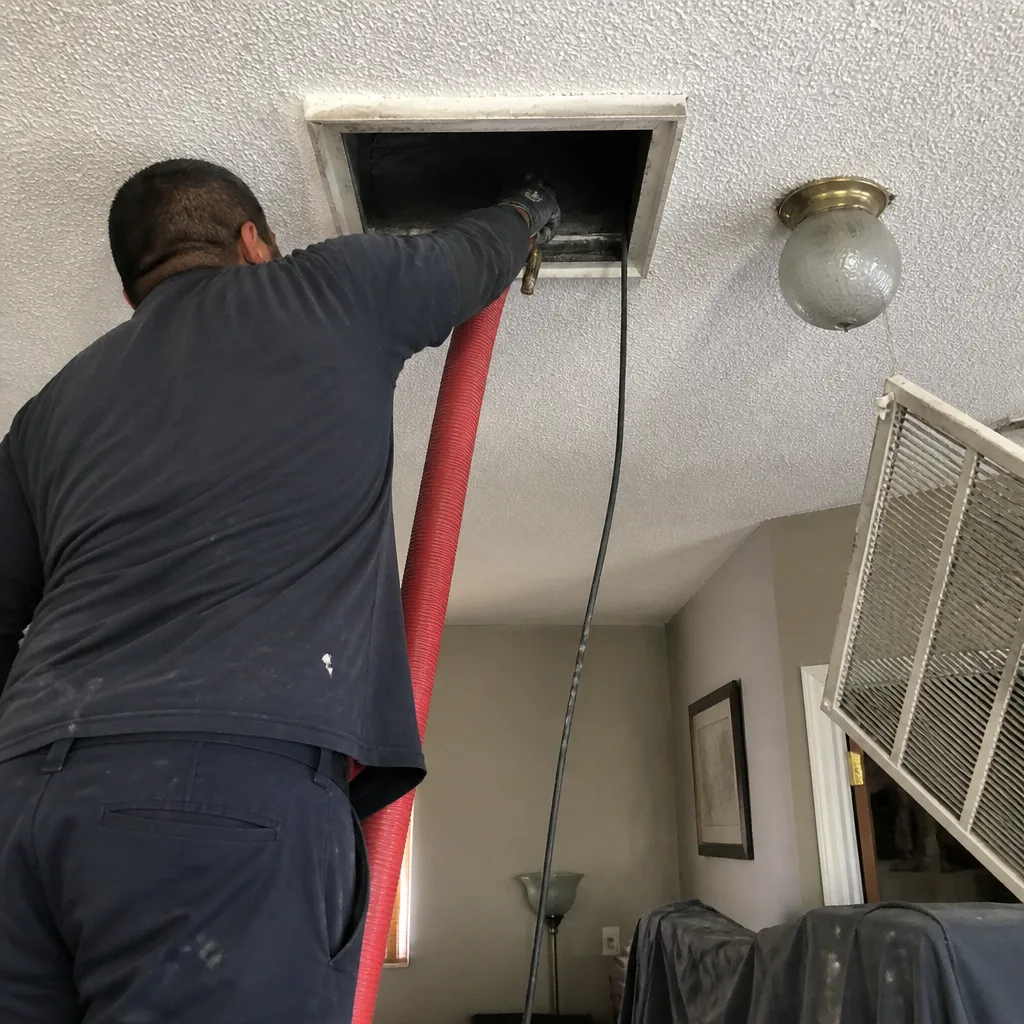 Before
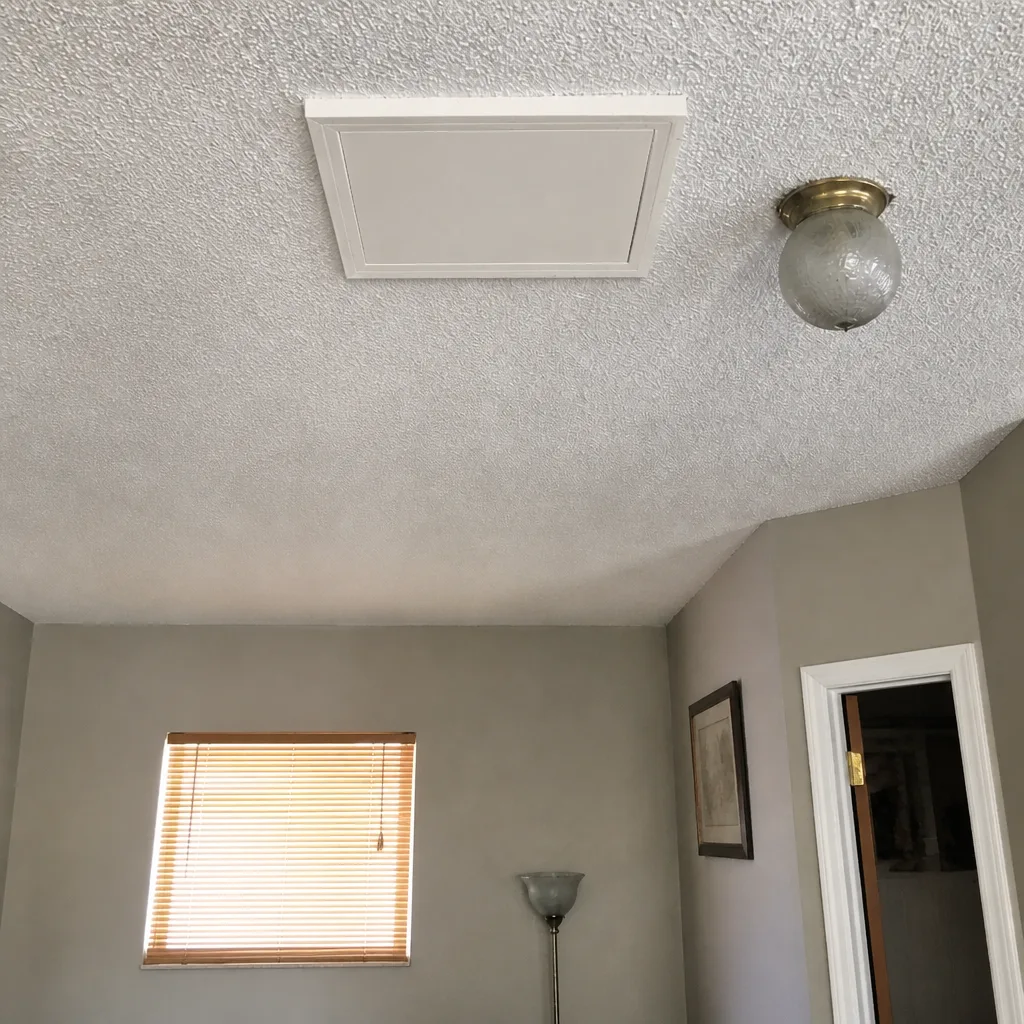 After
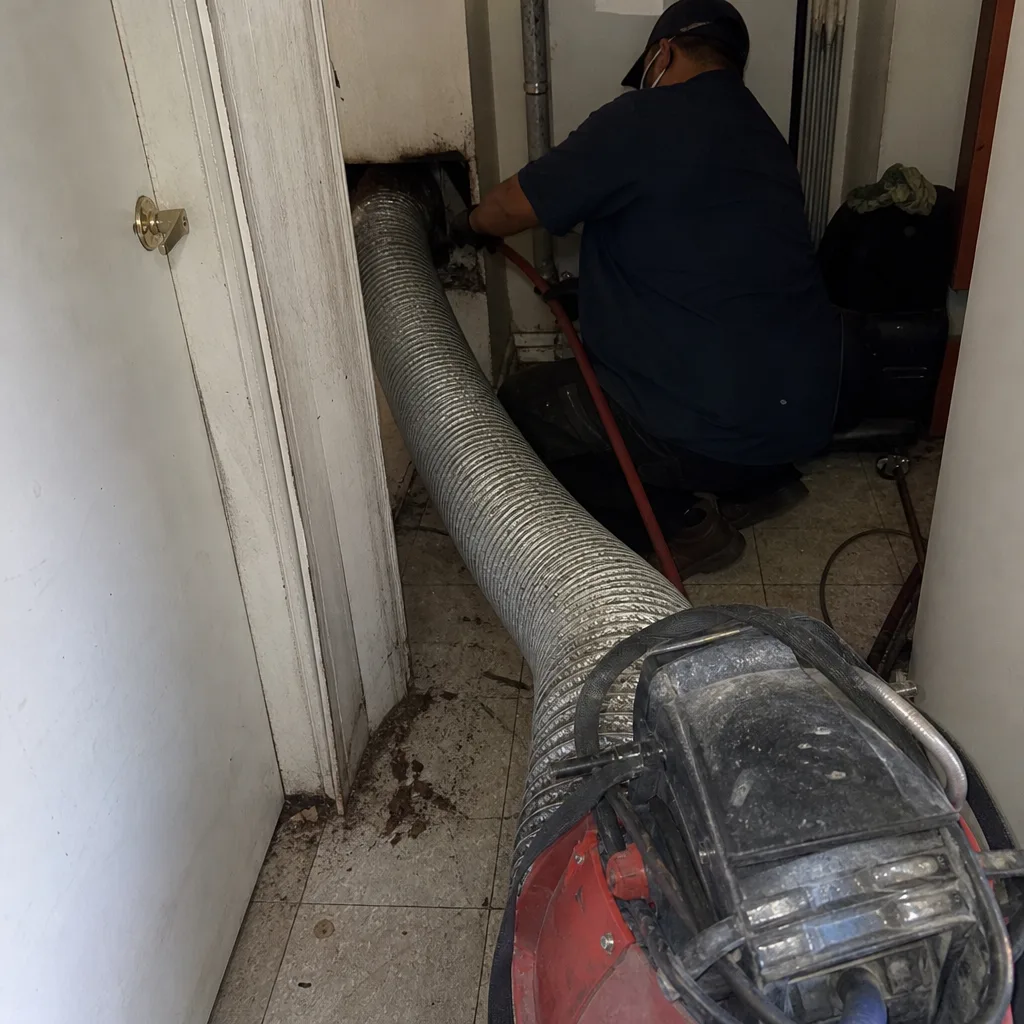 Before
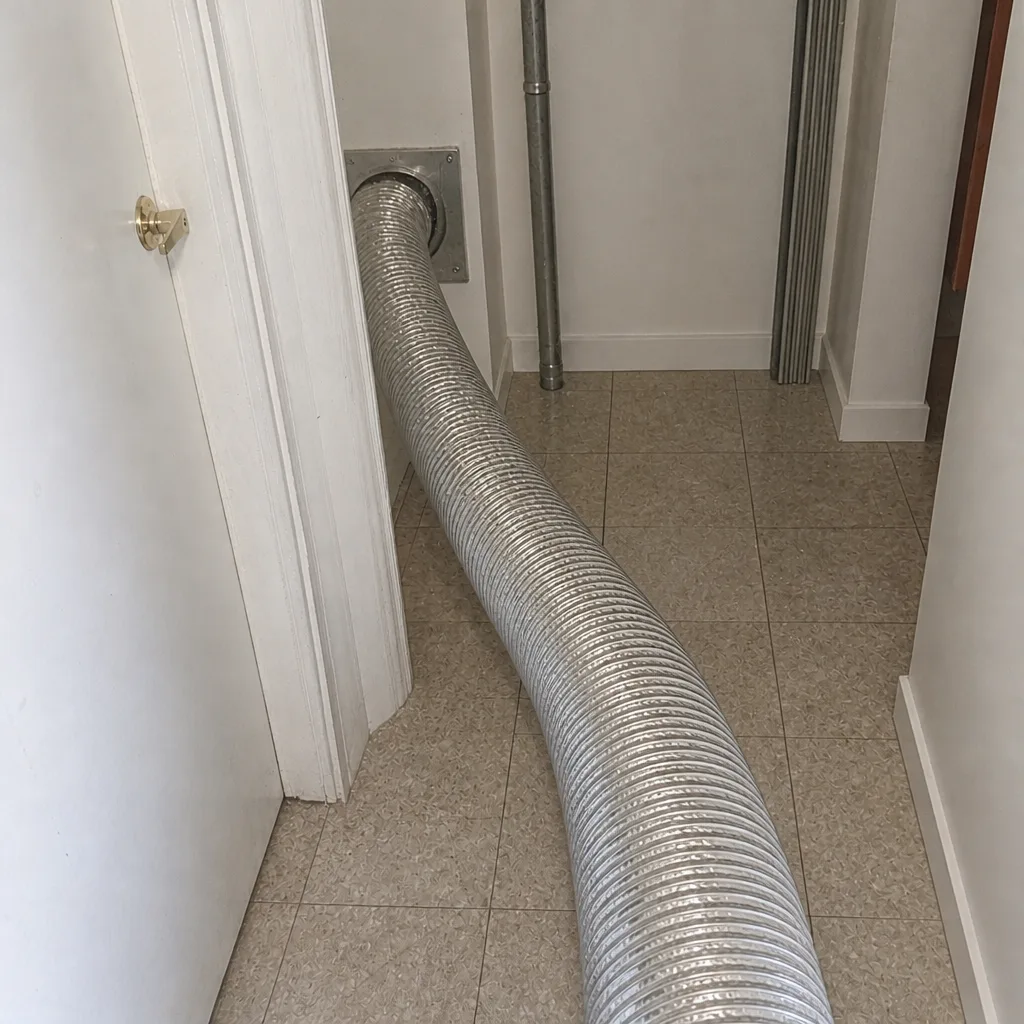 After
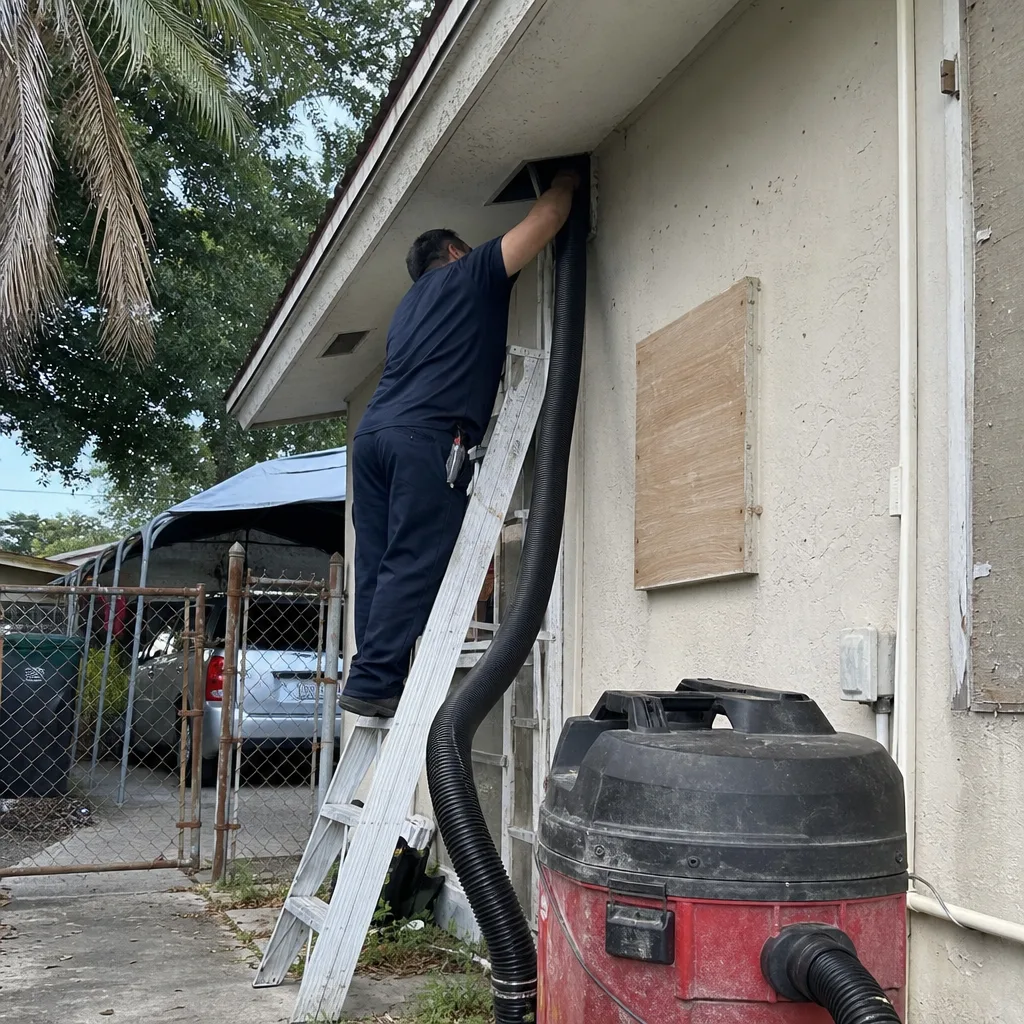 Before
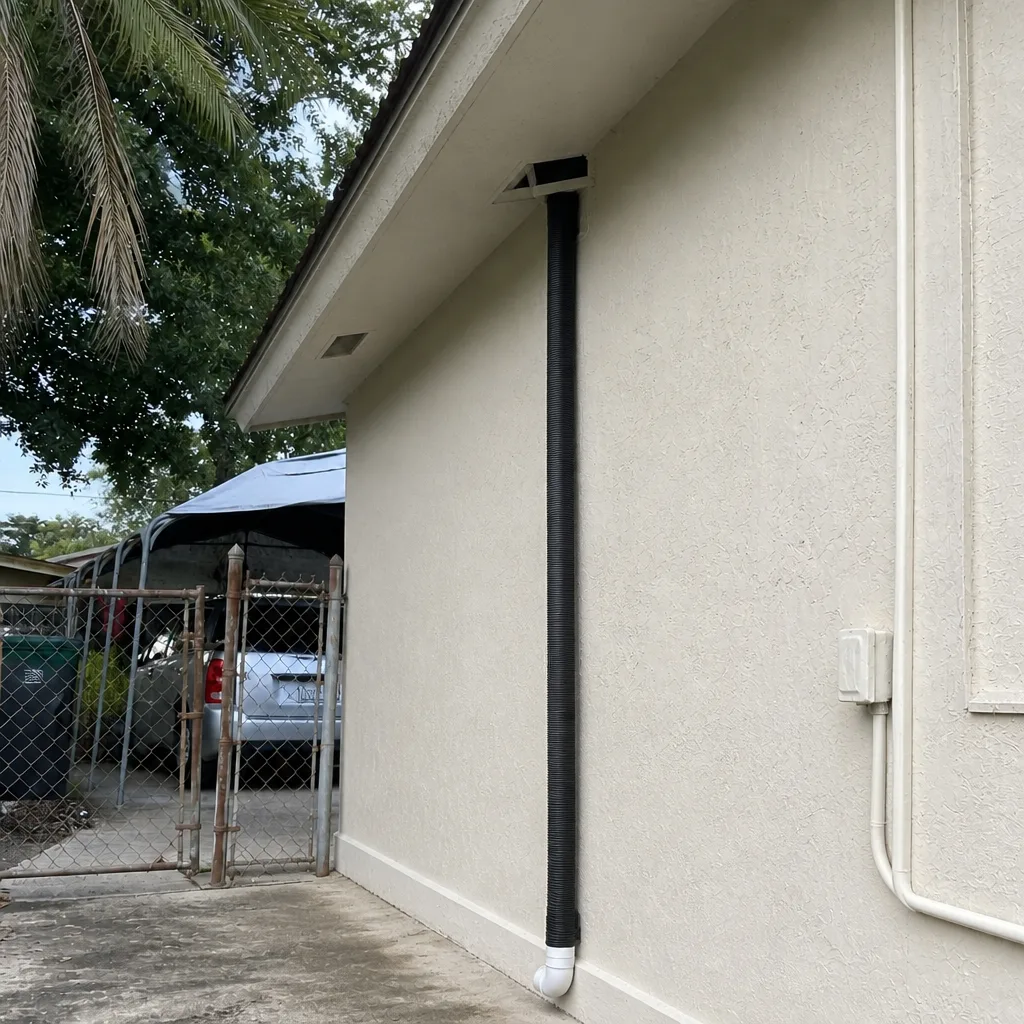 After
When to Call a Professional
Call a professional when you find water in the system, a smell that appeared after the storm, visible growth, or debris that reached the registers – those are the conditions where continued operation makes the problem worse. Call when airflow is weak or uneven at one or more registers, since that points to a damaged or disconnected run that cleaning alone won’t fix. Call if your system has never been cleaned and you want a real baseline before the season. And call if you need documentation for an insurance claim – a written assessment with photographs is the strongest evidence you can have. Oasis Air Duct offers free estimates in Miami Gardens – call (833) 384-3692. We answer 24/7. Fast dispatch from 7am to 7pm, Sunday through Friday.
Frequently Asked Questions
Don’t run it until you’ve done a walk-through of every register and return for water, debris, and smell. If everything is dry and clear, run it briefly and check airflow. If you find water, visible debris, or a musty smell that wasn’t there before the storm, leave the system off and get it assessed. Running a wet or contaminated system spreads the problem through every room.
Look for staining or moisture at registers and returns, water marks on drywall near a ceiling or wall register, a wet boot, or a musty smell that appeared after the storm. The smell is often the earliest signal. If you suspect water intrusion, stop running the system and call – in South Florida heat, wet duct insulation becomes a growth condition within days. Call (833) 384-3692 for an assessment.
It depends on your policy and on whether you can show the damage was storm-caused rather than pre-existing. Dated before-and-after photos, your own written notes, service records showing the system was clean before the storm, a professional inspection report, and a detailed invoice all strengthen a claim. We can’t promise a claim outcome, but we provide written assessments and photographs to give you real documentation.
Pricing is per system, not per vent, and it’s set by a written estimate after we’ve seen the system. Whole-system cleaning is typically quoted in the low-to-mid hundreds of dollars for a standard single-family home, with higher cost when the system is heavily contaminated or requires repair alongside cleaning. Post-storm jobs with debris and moisture fall into that higher range because they take more equipment and more time. Call (833) 384-3692 for a free estimate.
Usually because the equipment can’t handle a storm-debris load. A shop vacuum and a blower can make visible dust disappear while pushing fine particulate deeper into the system or back into the room, and there’s no containment. We use Rotobrush rotary-brush systems and Nikro HEPA-filtered vacuums, with Abatement Technologies containment equipment on heavy jobs. Ask any company what equipment they’ll bring before you book.
Ask for before-and-after photographs of your own ducts, taken during the job, and a written report of what was found and what was done. A company that can’t show you the inside of your system before and after didn’t document the work. We provide both. Call (833) 384-3692 to book an estimate.
The Bottom Line
Duct preparedness is the part of a Miami Gardens storm plan almost nobody writes down, and it’s the part that determines how long your indoor air stays compromised after the weather clears. Three moves carry most of the value: clean and inspect before the season so you start from a baseline, seal and shut down before landfall, and do a proper walk-through before you run anything afterward. Document as you go, because the photos and records you have are what an insurance claim rests on. And when you find moisture, growth, or damage, treat it as urgent – dry debris is a cleaning job, wet debris is a timer. If your duct system needs a full assessment, we’re the call that can clean it, repair it, and clear it. Oasis: where the air in your home finally gets a clean start.
Call (833) 384-3692 for a free estimate. We answer 24/7. Fast dispatch from 7am to 7pm, Sunday through Friday. You can also read more about air duct cleaning and dryer vent cleaning in Miami Gardens, and find our full service area on the Miami Gardens page.
Written by the team at Oasis Air Duct, serving Miami Gardens since 2013.