
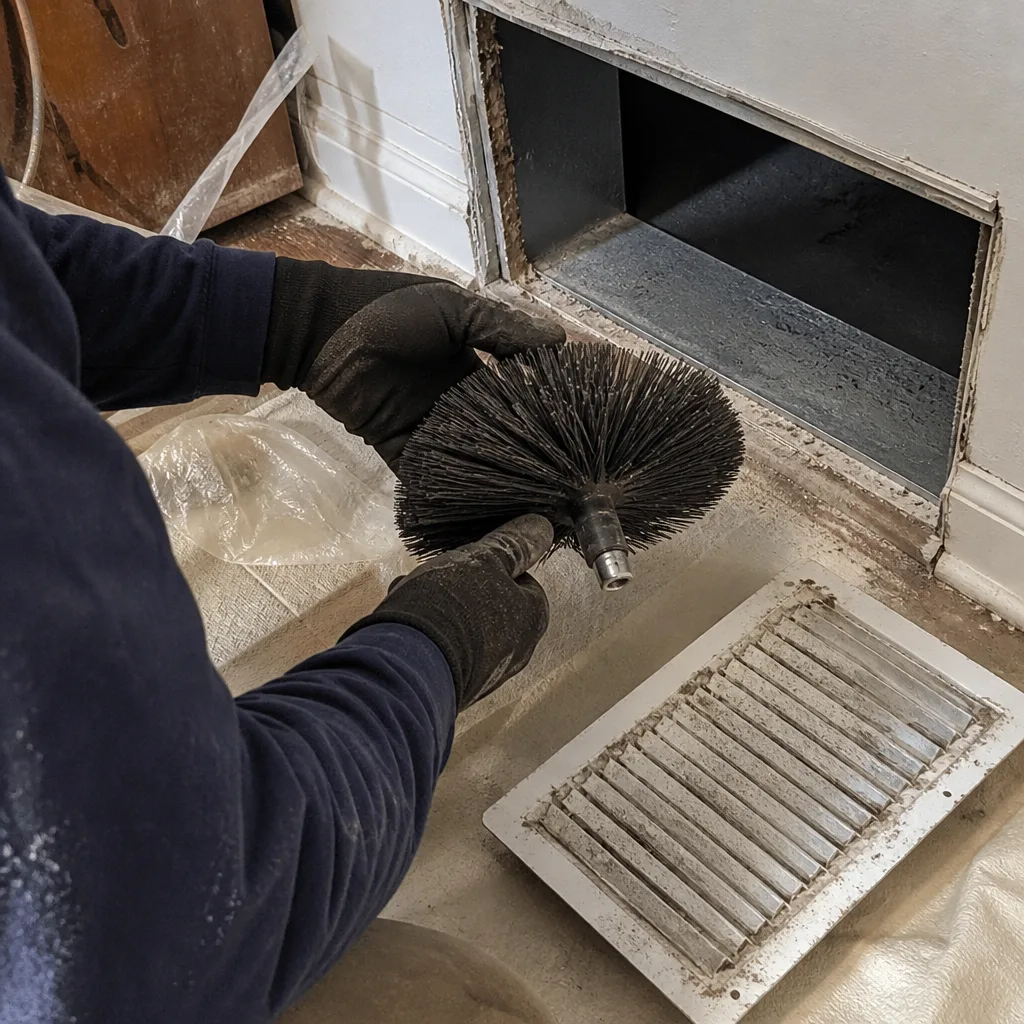
Last updated November 14, 2026
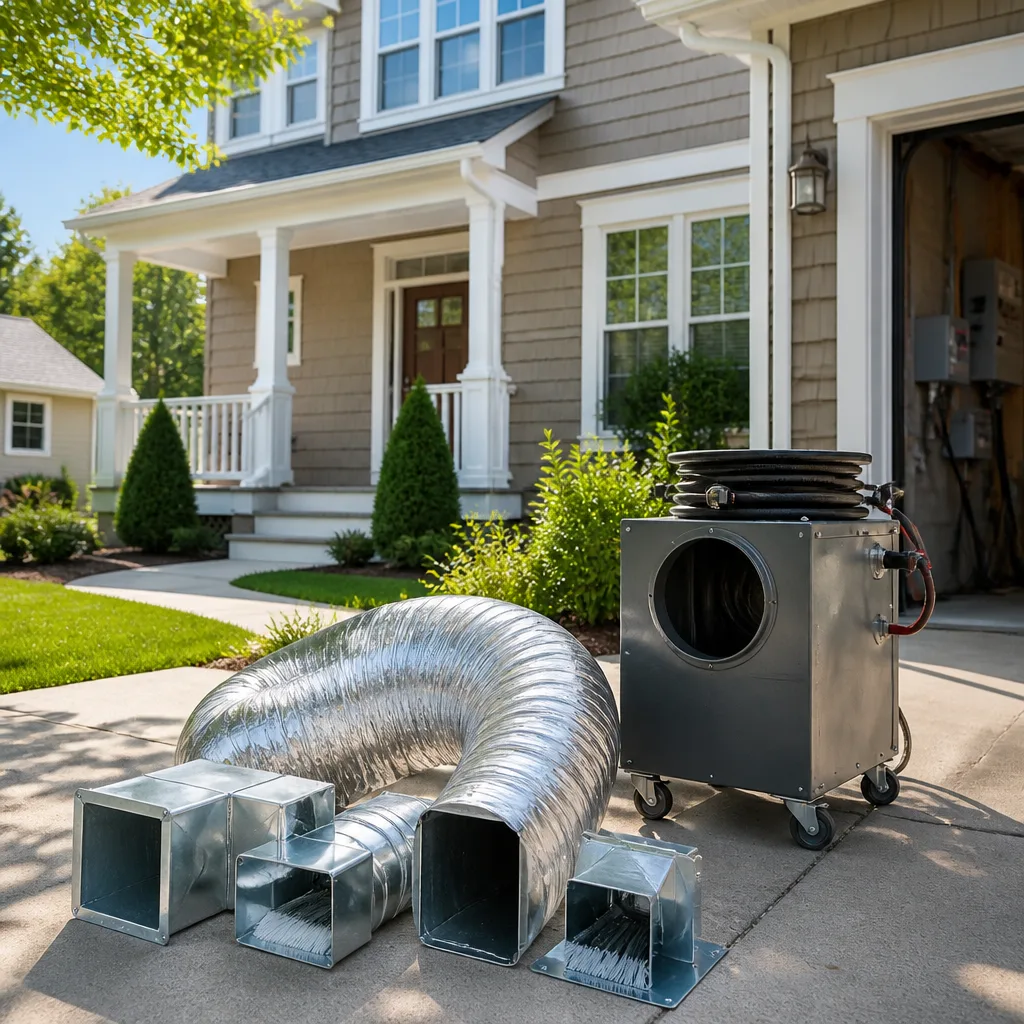 Whole-home duct cleaning
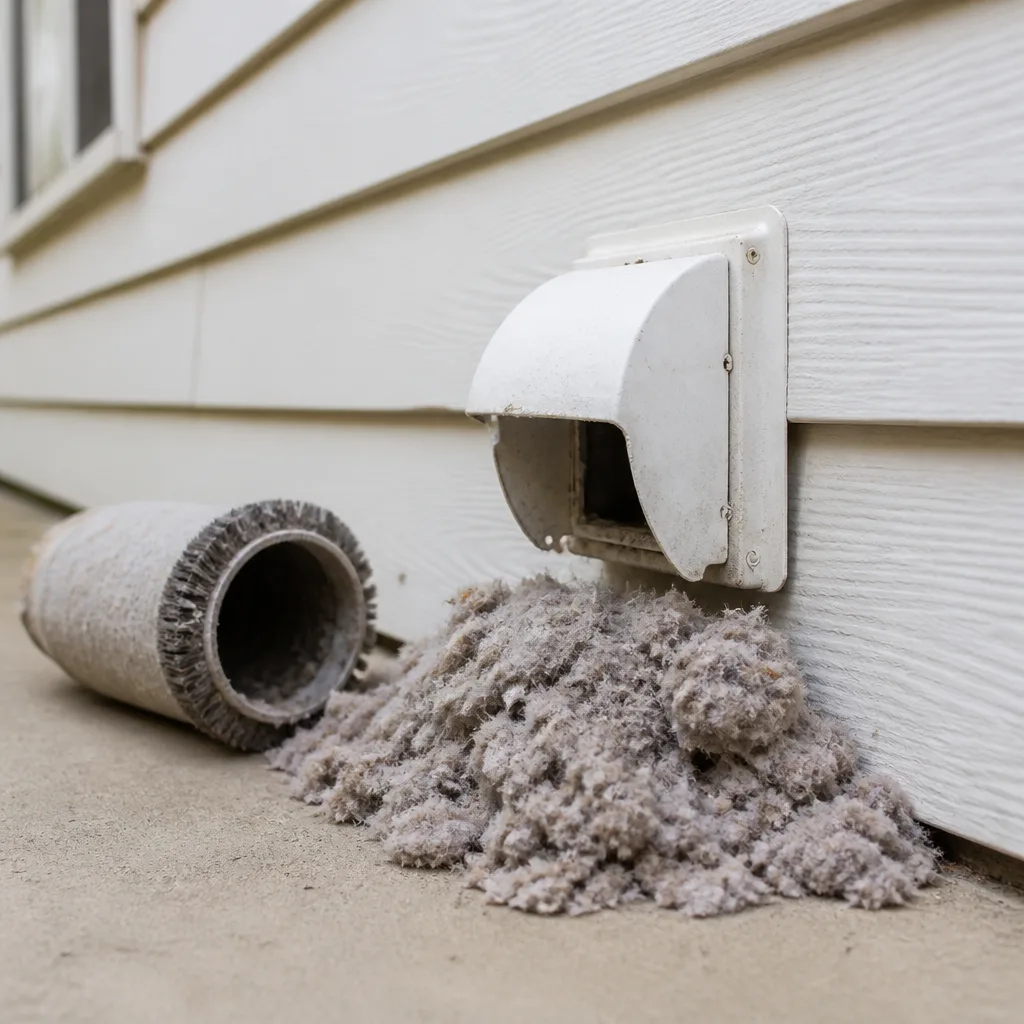 Dryer vent cleaning
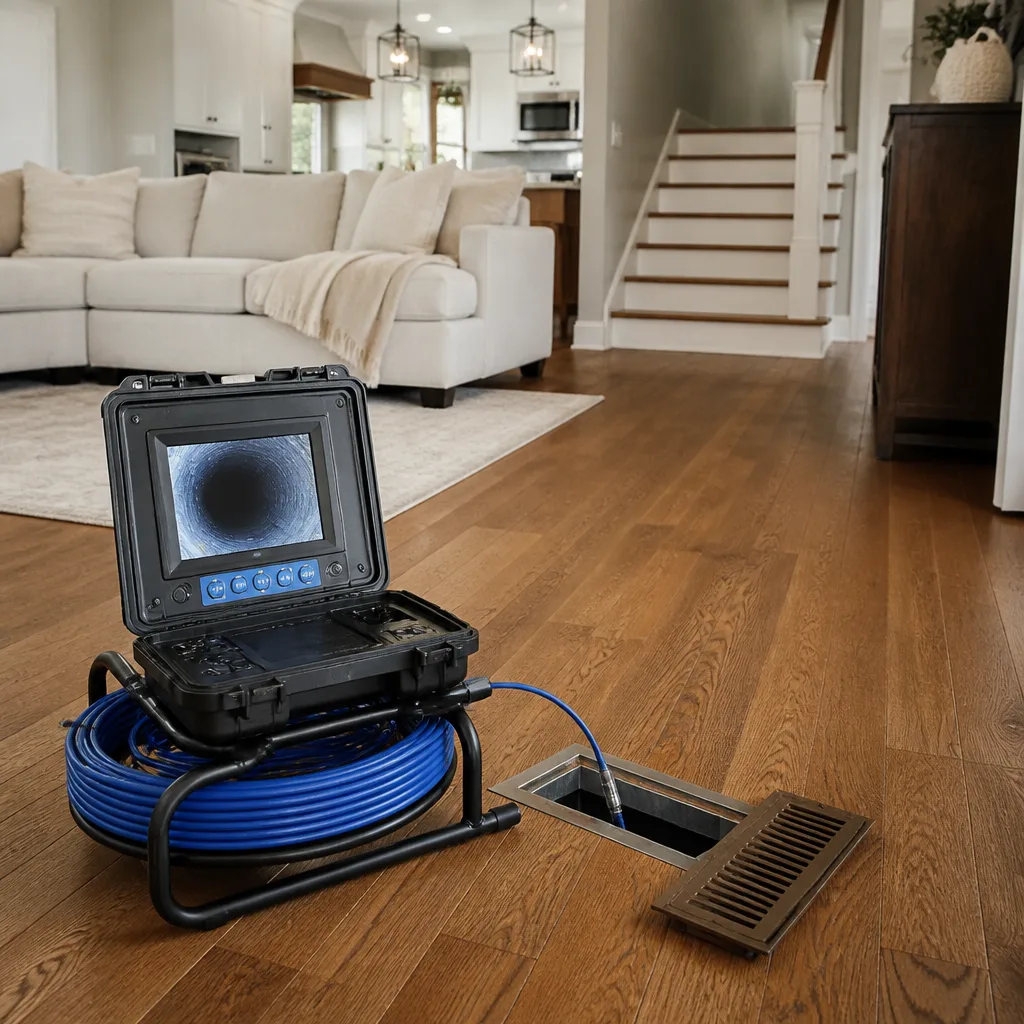 Camera inspection
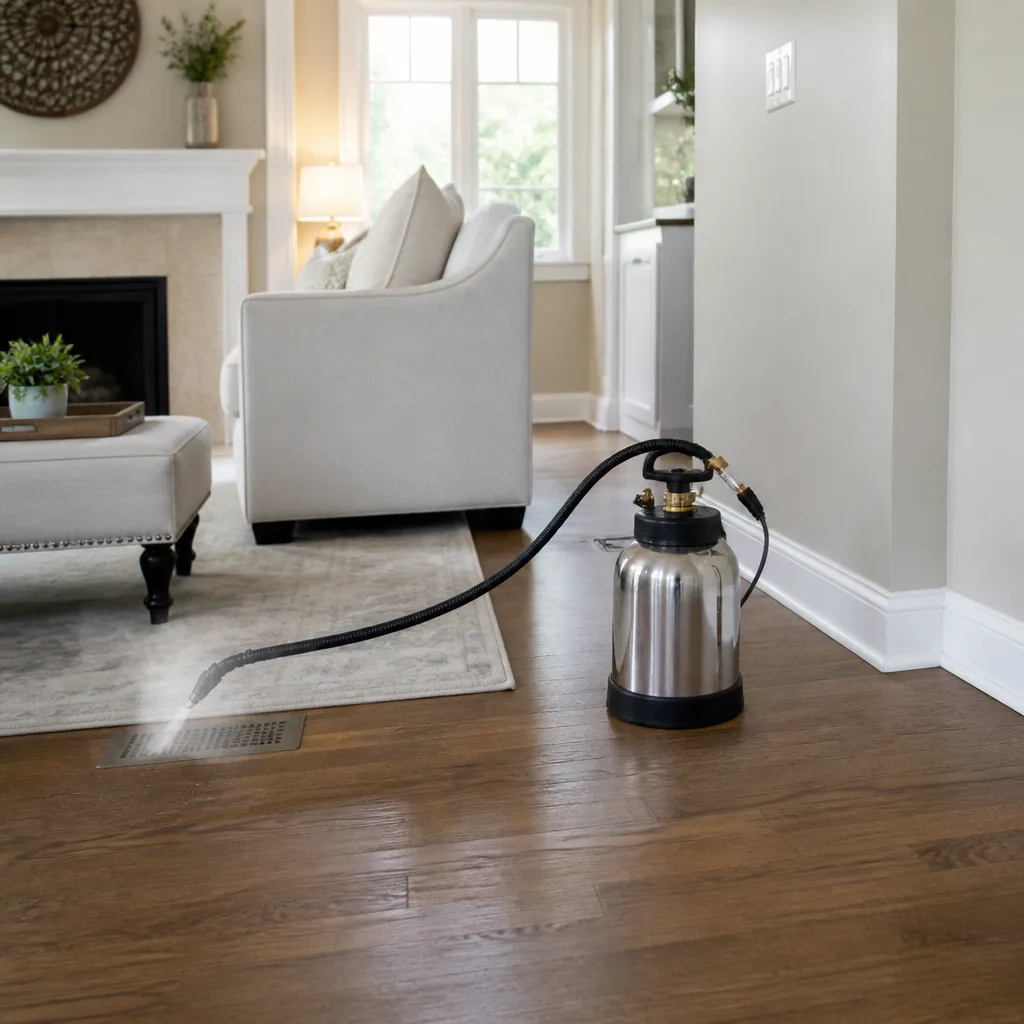 Sanitizing & deodorizing
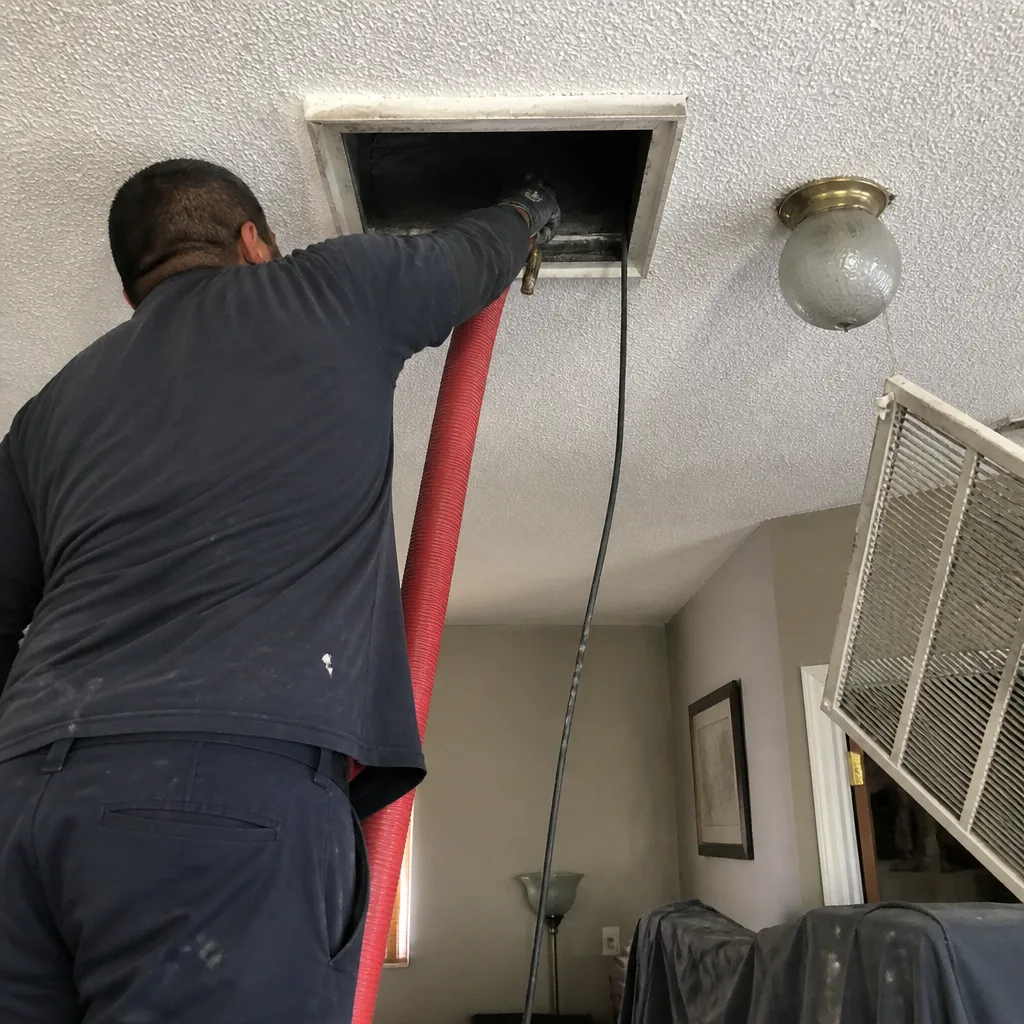
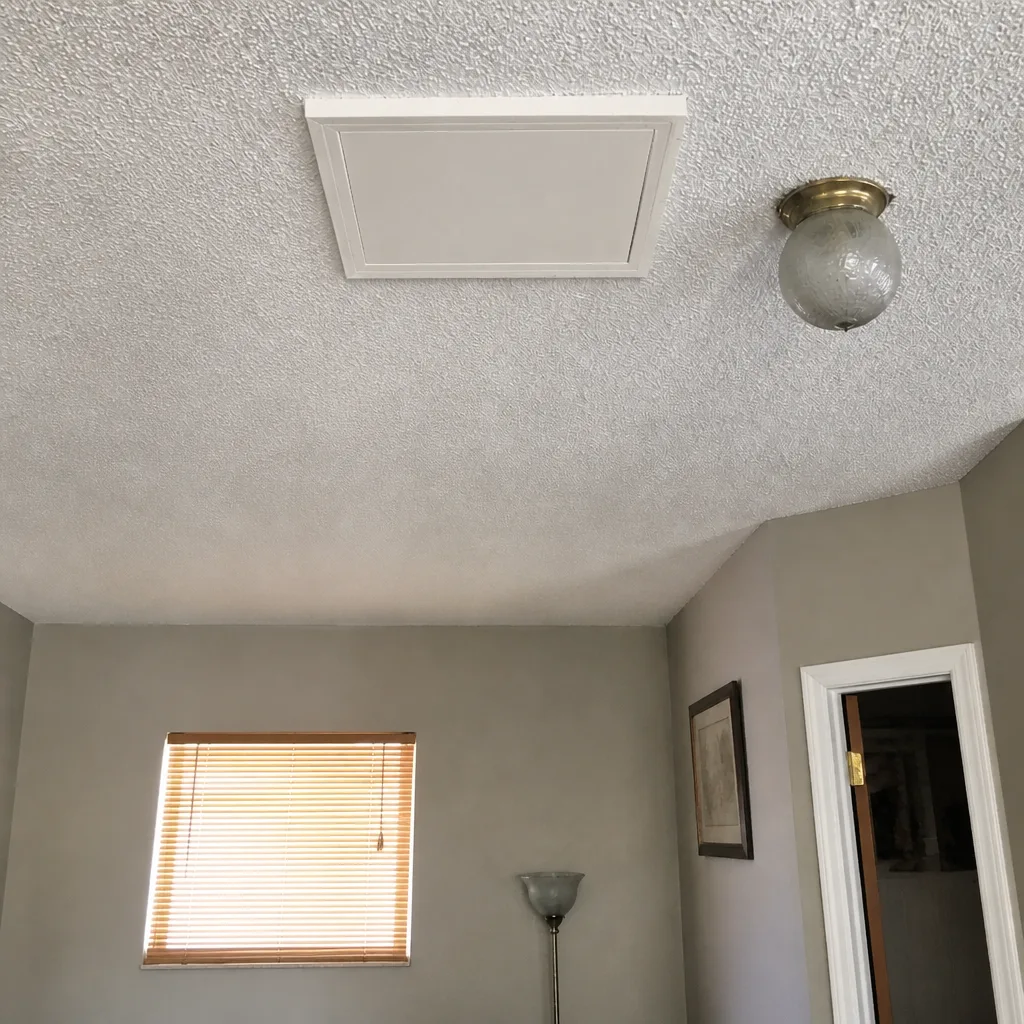
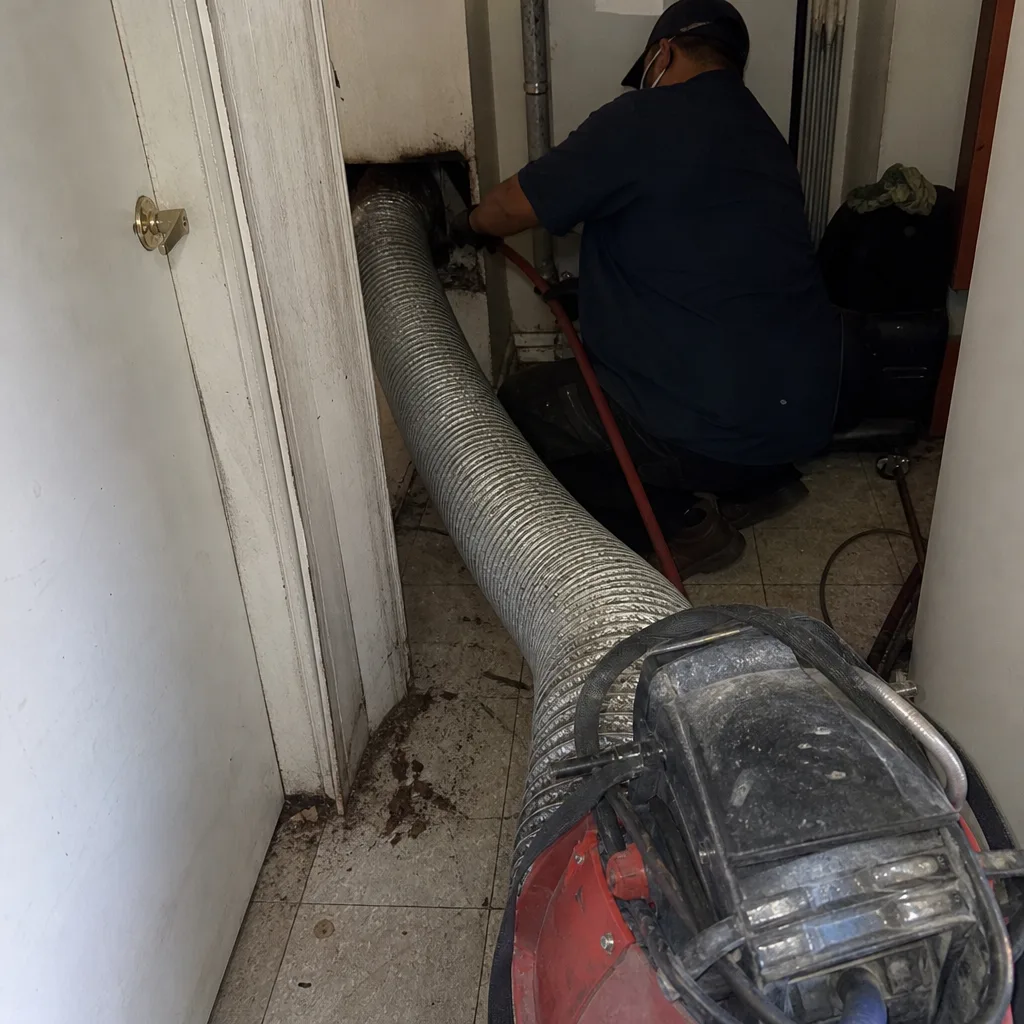
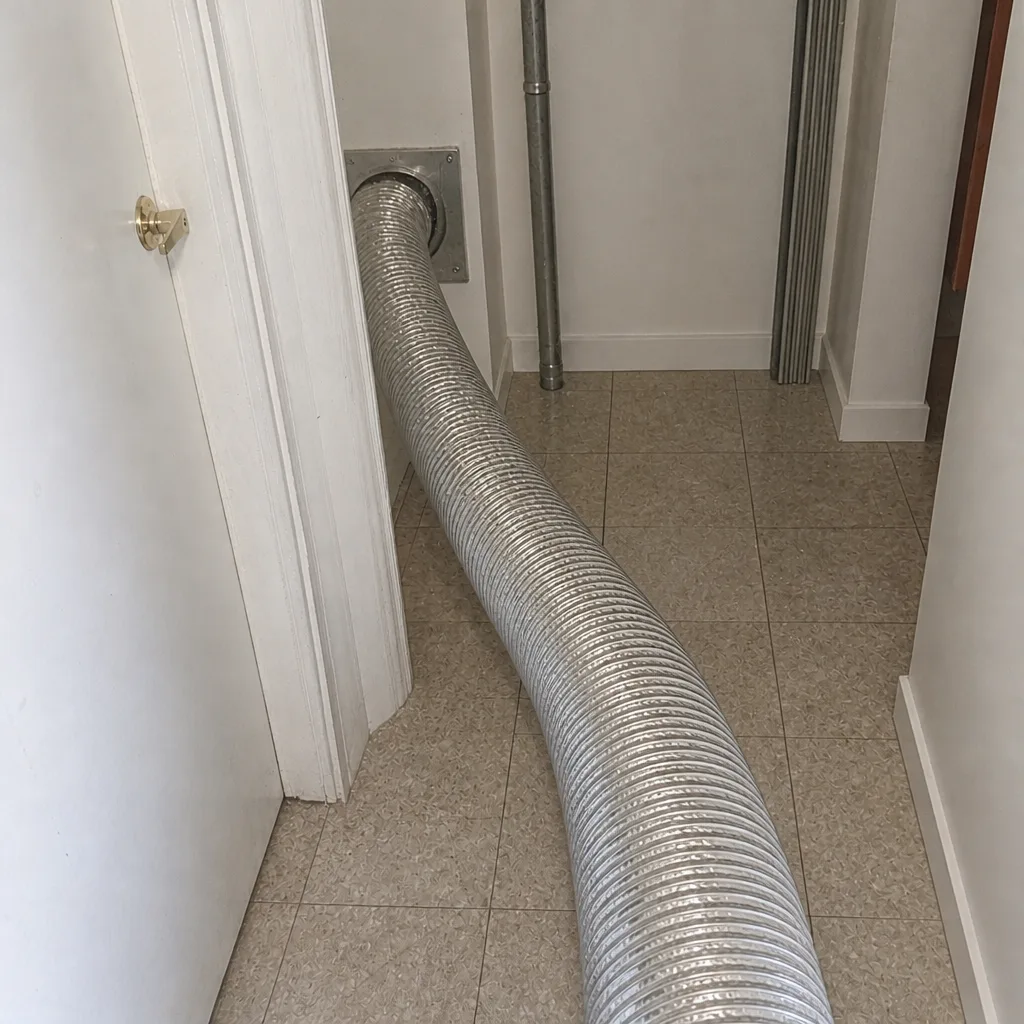
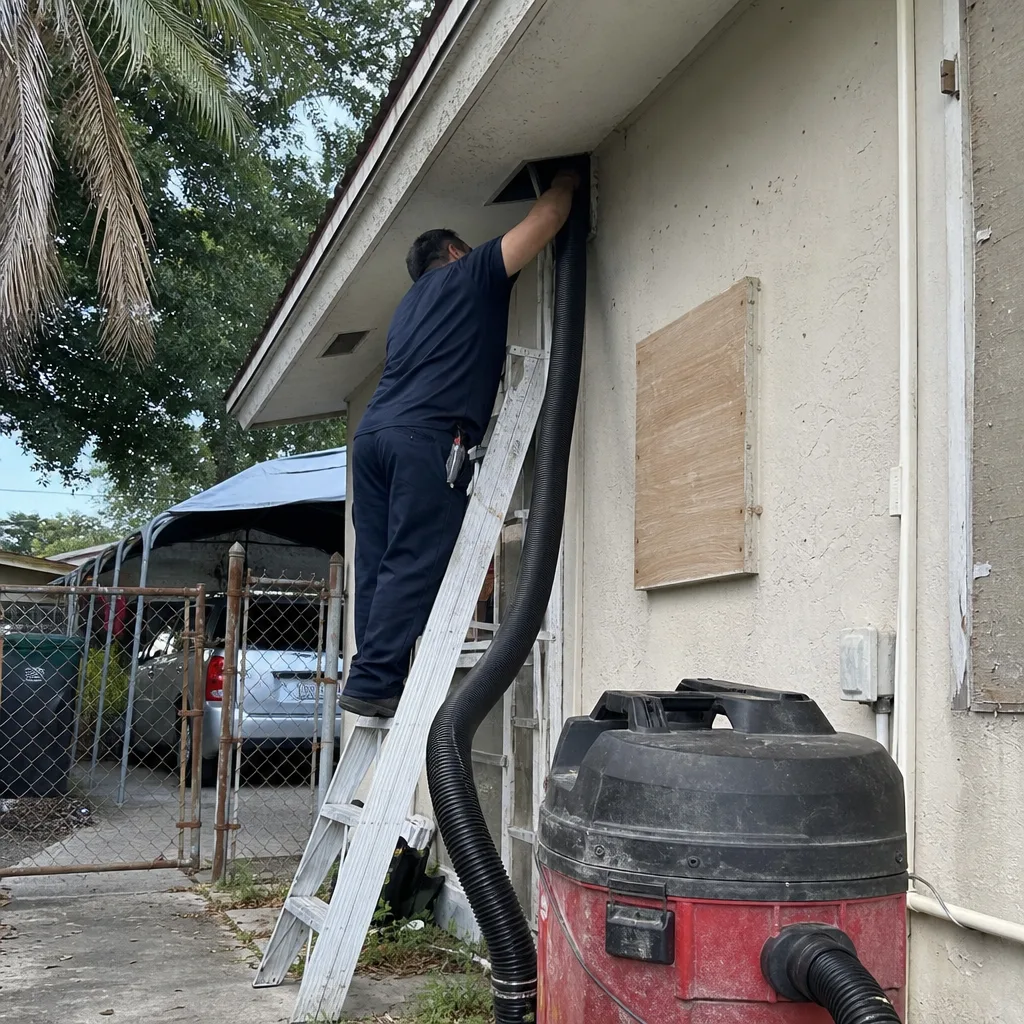
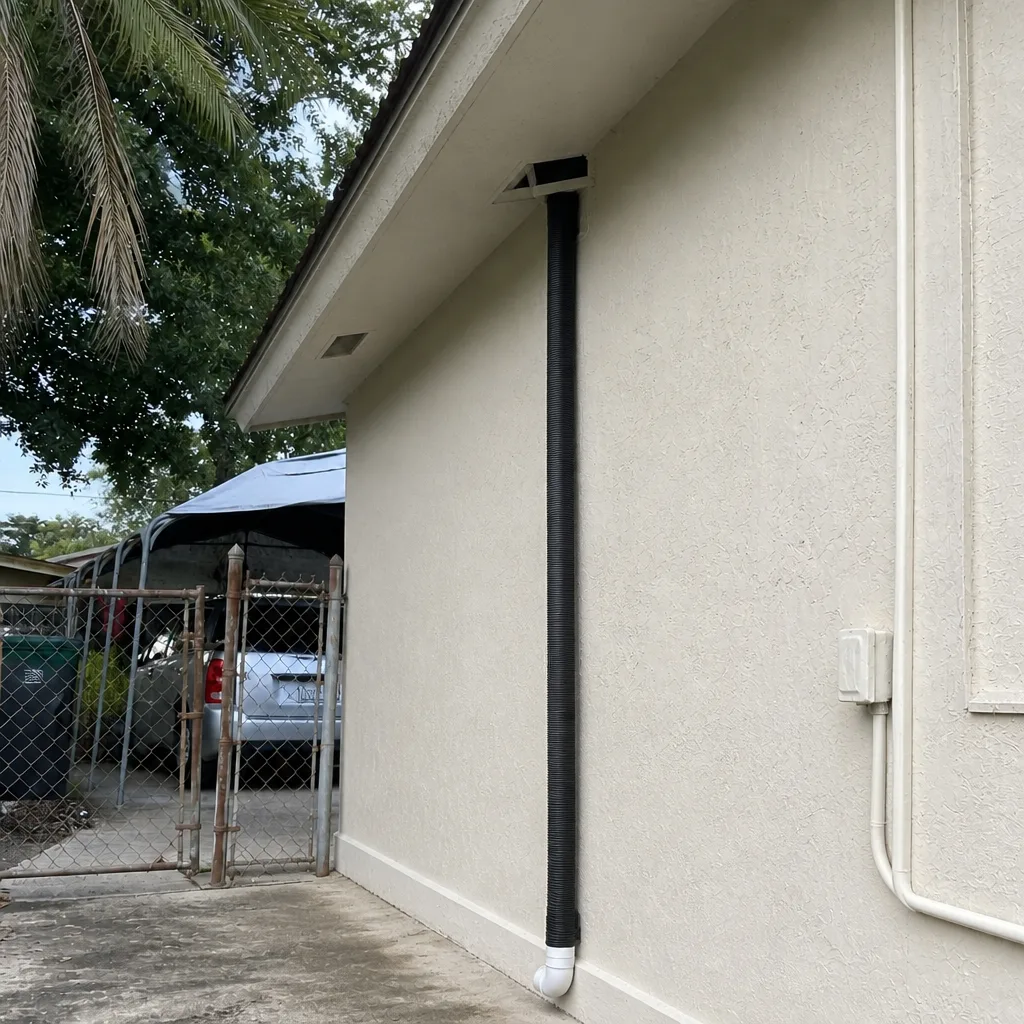
Whole-system duct and dryer vent check with before-and-after photos - you see exactly what came out of your vents
That "$99 whole-house special" is a bait ad - the real number appears once they are in your hallway, or the "clean" is a shop-vac at the register. We photograph the inside of your ducts before and after instead.
DIY vs Professional Air Duct Cleaning: The Miami Gardens Homeowner’s Decision Guide
Most homeowners who ask about duct cleaning are picturing the wrong problem. They think the choice is between doing it themselves and paying someone to do the same job with a bigger vacuum. It isn’t. A homeowner with a shop vacuum, a brush kit, and a free afternoon can genuinely improve parts of a Miami Gardens duct system, and we’d rather tell you that plainly than sell you a service you don’t need yet. But there is a physical limit you’ll hit, and it lands at the exact point where contamination starts to matter. This guide maps that boundary: what DIY can honestly accomplish, where the physics stops cooperating, and how to judge which side of the line your own house is on.
Quick Answer
DIY duct cleaning can meaningfully clean the parts you can reach: supply registers, return grilles, and the first accessible stretch of duct near each vent. It cannot perform source removal through a duct trunk system, because a consumer vacuum can’t generate the negative pressure that requires. If your ducts are dusty, DIY maintenance is worth doing. If you’ve had renovation dust, a mold concern, or disconnected runs, professional equipment isn’t optional.
Styles & brands we work with
- Whole-home duct cleaning
- Dryer vent cleaning
- Camera inspection
- Sanitizing & deodorizing
Table of Contents
- What DIY Duct Cleaning Actually Accomplishes
- The Tool Specs That Separate Real Cleaning from Performative Cleaning
- Where the Physics Ends the DIY Argument
- The South Florida Risk: When DIY Becomes Counterproductive
- The Hybrid Approach: Maintenance Between Professional Cleanings
- How to Judge Your Own Situation
- Common Mistakes to Avoid
- When to Call a Professional
What DIY Duct Cleaning Actually Accomplishes
You can do more than most people think at the register level, and it’s worth doing well. The supply registers and return grilles in your Miami Gardens home are the intake and exhaust of the whole system, and they collect a real share of the household dust load. Pulling the grilles, washing them in the sink, and wiping down the boot – the short collar of duct immediately behind the grille – is legitimate maintenance. So is vacuuming that first accessible foot or two of duct with a brush attachment, as long as you’re careful not to push debris deeper.
What DIY handles well:
- Register and grille cleaning. Removable grilles wash clean in a sink with mild detergent. This alone reduces visible dust at the supply points.
- Accessible duct segment surface removal. The first stretch of duct behind each register can be wiped and brushed. Anything further in requires tools you don’t have.
- Return grille maintenance. Return grilles pull the heaviest dust load in the house. Cleaning them regularly is the highest-value DIY task on this list.
- Filter changes. Not duct cleaning, but it’s the single biggest lever a homeowner controls over what enters the ductwork in the first place.
- Exterior and coil-area dust control. Keeping the area around the air handler clear and clean reduces what gets drawn into the system.
Notice what’s missing from that list: the trunk lines, the branch runs beyond the first few feet, the plenum, and the interior surfaces of the air handler cabinet. Those are the areas that hold the contamination people actually worry about. A brush on a flexible rod can reach further than a vacuum hose, but without extraction at the other end, brushing mostly loosens debris rather than removing it.
If you have never had your ducts professionally cleaned and want a baseline assessment of the whole system, that’s the honest starting point – air duct cleaning in Miami Gardens begins with a look at what’s actually in there, not a sales pitch.
The Tool Specs That Separate Real Cleaning from Performative Cleaning
If you’re going to do the DIY portion, do it with tools that actually work. The difference between a useful homeowner setup and a performative one comes down to three things: whether the vacuum has true HEPA filtration, whether the brush is soft enough not to scar duct liner, and whether you have a way to keep the dust from blowing back into the room while you work.
A reasonable homeowner kit looks like this:
- A shop vacuum with a HEPA filter cartridge, not just a standard paper filter. Standard filters pass fine dust straight through. HEPA captures it.
- A soft-bristle round brush on a flexible shaft, sized to the duct. Stiff bristles can tear the internal liner on flex duct, which creates a worse problem than the dust you were chasing.
- A spray bottle of water to lightly mist dust before wiping, so you’re not launching it into the air.
- Painter’s tape and plastic sheeting to seal the register opening around your vacuum hose. This is the containment step most homeowners skip, and it’s the one that matters most.
- N95 masks and eye protection for anyone in the room. Disturbed duct dust is not something to breathe.
Here’s the part to be honest with yourself about: even with all of that, you’re doing surface maintenance. You’re managing what collects at the accessible edges of the system. That’s worth doing. It is not the same job as source removal, and no consumer tool will close that gap.
Where the Physics Ends the DIY Argument
Professional duct cleaning works by negative pressure: a high-volume vacuum pulls the entire duct system into negative pressure while a rotary brush or air whip agitates the interior surfaces, and the loosened contamination travels to the vacuum rather than into your living room. That requires roughly 1,500 to 2,000 cubic feet per minute of airflow through a sealed system – a range no consumer vacuum can produce, because the machine isn’t the only constraint. The hose, the sealing, and the volume of the ductwork all work against you.
Think of it this way. Your shop vacuum moves maybe 100 to 200 CFM through a hose. A duct trunk system in a typical Miami Gardens house holds far more air than that, spread across dozens of feet of runs in different directions. The vacuum is drawing on one end of a system it can’t seal, can’t pressurize, and can’t reach most of. The airflow at the far end of a 25-foot branch run is close to nothing.
Professional equipment solves this differently:
- Seal the system. Registers are covered, and the vacuum connects at a single access point, often at the air handler or a trunk collar.
- Pull the whole system negative. A high-volume unit, like the Nikro systems we run, brings the entire duct network into negative pressure before any agitation starts.
- Agitate with a rotary brush. A Rotobrush rotary-brush system runs through each branch, scouring interior surfaces while the negative pressure carries everything back to the vacuum.
- Filter at HEPA level. Exhaust air passes through HEPA filtration before returning to the room, so what’s captured stays captured.
- Verify. Before-and-after photos of the interior surfaces confirm what was actually removed.
That’s the boundary. Everything before step one is DIY territory. Step one and beyond is where the physics stops cooperating, and no amount of homeowner effort substitutes for equipment that can move the volume.
The South Florida Risk: When DIY Becomes Counterproductive
Miami Gardens sits in one of the most humid climates in the country, and that changes the DIY calculus in a way it doesn’t in drier parts of the state or the country. Duct systems here run cold for much of the year, and the temperature differential between cold duct surfaces and warm, humid attic or interior air creates condensation. Where condensation forms, mold and mildew can establish. That’s not alarmism – it’s the same reason bathroom ceilings grow mildew here when they don’t in Arizona.
Now consider what happens when you brush a duct that has a mold colony on its interior surface without negative pressure containment. You don’t remove the colony. You disturb it, and the loosened spores go where the airflow takes them: through the supply registers into the rooms where your family sleeps. That’s the scenario where DIY actively makes the situation worse rather than just falling short.
This is where professional containment equipment earns its keep. Abatement Technologies filtration units are built for exactly this: containing and filtering air during remediation-level work so contamination doesn’t redistribute into occupied space. If you suspect mold in your ductwork – visible growth at a register, a musty smell that gets stronger when the system runs, or discoloration on the duct interior you can see with a flashlight – that’s a call-a-professional situation, not a brush-and-vacuum situation. A thorough clean with HEPA-level extraction and proper containment is the only sensible approach, and the same is true for post-renovation dust, which behaves much like mold spores in terms of where it settles and how it travels.
One more local note: Miami Gardens homes see a lot of new construction and renovation. Drywall dust and construction debris settle deep into duct systems during building work, and that material is fine enough to bypass most consumer filters. If your home has been through recent renovation, DIY cleaning won’t reach it.
The Hybrid Approach: Maintenance Between Professional Cleanings
The most sensible relationship most homeowners have with their ductwork isn’t DIY versus professional. It’s both, on different schedules. A professional clean resets the system to a known baseline. Between those visits, homeowner maintenance extends the interval and keeps the system working the way it should.
A maintenance routine that actually helps:
- Change the filter on schedule. Every one to three months, depending on filter type and household dust load. A clogged filter forces the system to pull air from wherever it can, including gaps in the ductwork.
- Clean supply registers and return grilles quarterly. Pull them, wash them, dry them fully before reinstalling. Damp grilles in a humid climate invite mildew.
- Vacuum the boot and first accessible foot of duct with a HEPA shop vacuum and a soft brush when you clean the grilles.
- Keep the air handler area clean and clear. Dust and debris near the unit get drawn in.
- Watch for condensation. Water on duct surfaces or at the air handler means the system is losing efficiency and creating a mold-friendly environment. That’s a repair issue, not a cleaning issue.
- Call for a professional assessment if anything changes – new musty smell, visible growth, a renovation, a persistent dust problem at the registers.
Done consistently, this routine reduces how often you need a full professional clean and keeps the system in better condition between visits. It’s not a substitute for source removal, but it’s a real contribution. If you’re also wondering about the other duct in your house, dryer vent cleaning is a separate, safety-critical job that DIY can only partly address – the lint that matters most collects deep in the run, not at the accessible ends.
How to Judge Your Own Situation
Before you buy a single tool, figure out which problem you actually have. There are three rough categories, and each one points to a different answer.
Category 1: Routine dust and general maintenance
Your house is a few years old or older, you change your filters, there’s no smell, no visible growth, and no recent renovation. Registers collect dust, and that’s it. This is a DIY-appropriate situation. Clean your grilles, vacuum what you can reach, and consider a professional assessment every few years as a baseline check. DIY genuinely helps here.
Category 2: New construction and post-renovation dust
Drywall dust, sawdust, and construction debris have settled throughout the duct system. This is not a DIY situation, because the contamination is distributed through areas you can’t reach and because fine construction dust won’t stay put when disturbed. A professional clean with proper containment is the answer, and the longer it waits, the more that dust gets pulled through the system and into your living space.
Category 3: Suspected mold or contamination
Musty odor that intensifies when the system runs, visible growth at a register or on the duct interior, or a known moisture problem in the attic or duct area. This is the strongest call-a-professional situation on the list, for the reasons covered above. DIY here risks redistribution, not just incompleteness.
A quick way to sort it: if the problem is at the surface and you can see it, DIY can help. If the problem is inside the system or you can smell it but not see it, it’s a professional job. And if you’re not sure which category you’re in, an assessment settles it fast. Oasis Air Duct serves Miami Gardens and the surrounding area, and we can tell you what we see, not just what we’d like to sell.
Common Mistakes to Avoid
- Brushing without containment. Agitating duct surfaces without negative pressure or sealed plastic sheeting just moves dust from the duct into the room. In a humid Miami Gardens home, that can mean redistributing mold spores rather than removing them.
- Using a standard shop-vac filter instead of HEPA. A paper or standard cartridge filter passes the fine particles that matter most. If you’re going to DIY, do it with true HEPA filtration or don’t do it.
- Pushing debris deeper instead of pulling it out. A brush or hose inserted without extraction at the far end tends to compact debris into the run. That’s a worse outcome than leaving it alone.
- Ignoring flex duct liner damage. Stiff brushes and aggressive rodding can tear the internal liner on flex duct, creating a rough surface that collects more dust and can’t be cleaned. Soft bristles only.
- Skipping the air handler cabinet. Many homeowners clean grilles and never look at the cabinet, coil, or plenum – which is where the heaviest contamination usually sits.
- Buying tools for a one-time job. If you’re facing a renovation or a mold concern, the money spent on a HEPA vacuum and brush kit is better put toward a professional clean that will actually resolve the problem.
- Assuming a low quote means a low-effort job elsewhere. A quote that’s dramatically lower than others usually reflects a smaller scope – often just the grilles and the first few feet. Ask what’s actually included before comparing numbers.
When to Call a Professional
Call a professional if any of the following applies: your home has been through a renovation or new construction and you’ve never had the system cleaned; you notice a musty smell that gets stronger when the HVAC runs; you see visible growth or discoloration inside a register; you have a family member with allergies or respiratory sensitivity and the dust problem won’t resolve; you notice uneven airflow suggesting a disconnected or collapsed run; or you simply have no idea what’s in the system and want a baseline assessment.
Air duct repair is worth mentioning here because it’s the piece most cleaning-only companies skip. If a run is disconnected, crushed, or leaking – which is common in older South Florida homes with flex duct – cleaning it before repairing it accomplishes less than fixing the breach first. We handle both, along with dryer vent cleaning, so the whole system gets assessed together rather than piecemeal.
Oasis Air Duct offers free estimates in Miami Gardens – call (833) 384-3692. We answer 24/7. Fast dispatch from 7am to 7pm, Sunday through Friday.
See the difference
 Before
 After
 Before
 After
 Before
 After
Frequently Asked Questions
Whole-system duct cleaning is priced per system by written estimate, not per vent, and the written estimate is the final price – details are confirmed before any work starts. Pricing depends on the size and layout of the system, the number of runs, and the level of contamination. Call (833) 384-3692 for an exact quote – estimates are free.
You can clean the registers, grilles, and the first accessible stretch of duct behind each vent with a HEPA-filtered shop vacuum and a soft brush. You cannot perform source removal through the trunk and branch runs, because a consumer vacuum can’t generate the 1,500 to 2,000 CFM of negative pressure that requires. DIY is genuinely useful for surface maintenance and genuinely insufficient for whole-system cleaning.
Cheaper quotes usually reflect a smaller scope: grille cleaning and a light pass at the accessible duct, using consumer-grade tools rather than a sealed negative-pressure system. That’s a different job, not a better price on the same job. Ask any company what equipment they use and whether they seal the system during cleaning. If the answer is a shop vacuum and a blower, you’re comparing surface maintenance to source removal.
Ask for before-and-after photos of your own duct interior. A company using a rotary-brush system with HEPA filtration can show you what came out, because the equipment is designed for exactly that kind of verification. If a company can’t produce photos of your system, you have no way to confirm what happened inside your walls.
Most homes don’t need annual cleaning. Every few years is a reasonable interval for a typical household, and longer if you maintain filters and grilles consistently between visits. Homes with pets, allergy sufferers, recent renovation, or a prior moisture problem may need it more often. There’s no universal schedule – it depends on the house and what’s gotten into the system.
It’s safe when you’re cleaning grilles and accessible duct surfaces and using HEPA filtration with proper containment. It becomes counterproductive if you brush ductwork with an active mold colony without negative pressure, because you’ll redistribute spores into living space rather than remove them. In a climate this humid, a musty smell or visible growth is a professional call, not a DIY one.
Cleaning removes contamination from inside the ducts. Repair addresses physical problems: disconnected runs, collapsed sections, crushed flex duct, or leaks that undermine system performance. Cleaning a damaged system before fixing it doesn’t solve much, which is why we assess both and handle both – the only way to know which you need is to have the system looked at.
It does, because equipment determines what’s physically possible on the job. We use Rotobrush rotary-brush systems and Nikro HEPA-filtered vacuums – platforms built for commercial and remediation work – along with Abatement Technologies filtration for jobs that need remediation-level containment. A shop vacuum and a blower can’t reproduce what those systems do. That’s not a marketing point, it’s the reason the DIY boundary exists at all.
The Bottom Line
DIY duct cleaning isn’t a bad idea or a dangerous one. It’s a limited one, and the limit falls right where contamination starts to matter: the trunk lines, the branch runs, and the plenum. Clean your registers, keep your filters fresh, and vacuum what you can reach – that’s real maintenance and it’s worth doing. When the problem moves inside the system, or when you can smell it but not see it, that’s professional territory. At Oasis Air Duct, we’d rather explain the boundary honestly than sell you a service you don’t need. If you’re not sure which side of the line you’re on, that’s what a free estimate is for.
Call (833) 384-3692 for a free estimate. We answer 24/7. Fast dispatch from 7am to 7pm, Sunday through Friday.
Written by the team at Oasis Air Duct, serving Miami Gardens since 2013.