
Last updated November 14, 2026
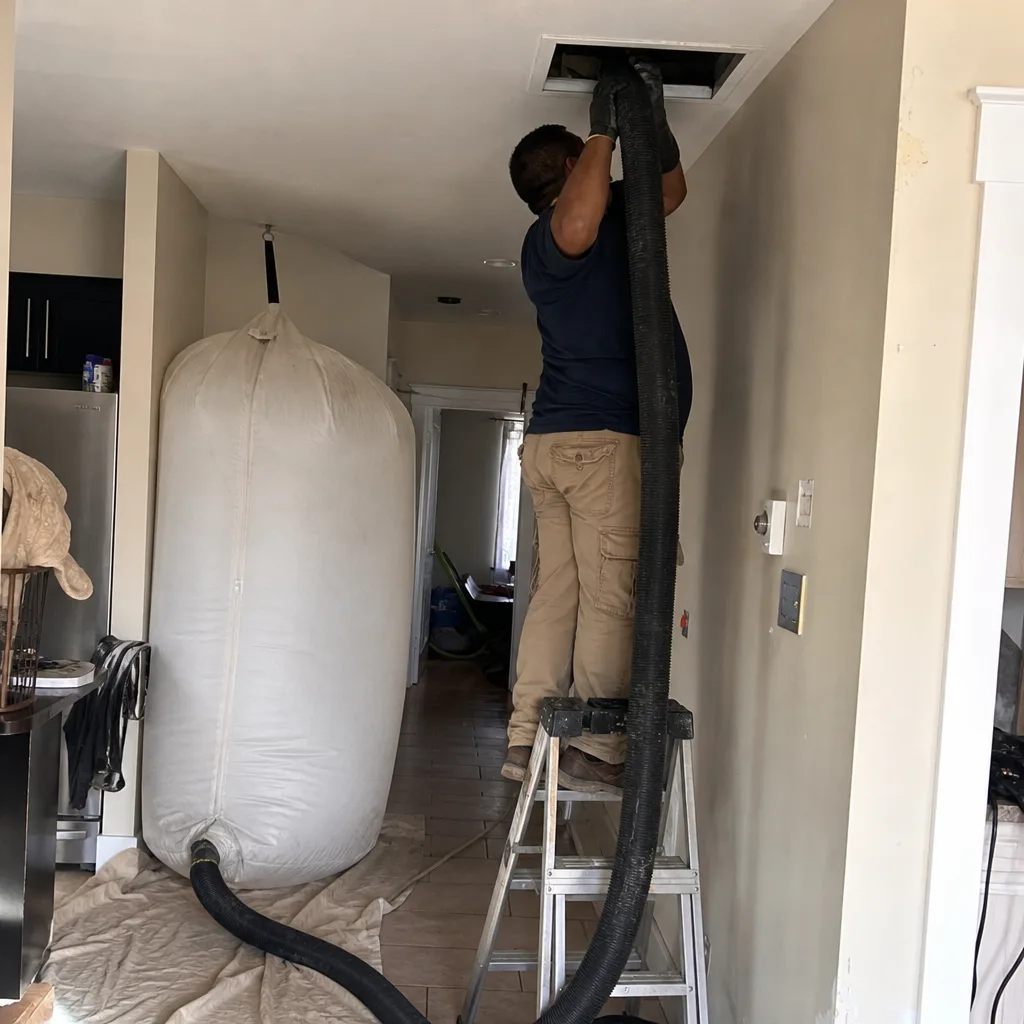
 Whole-home duct cleaning
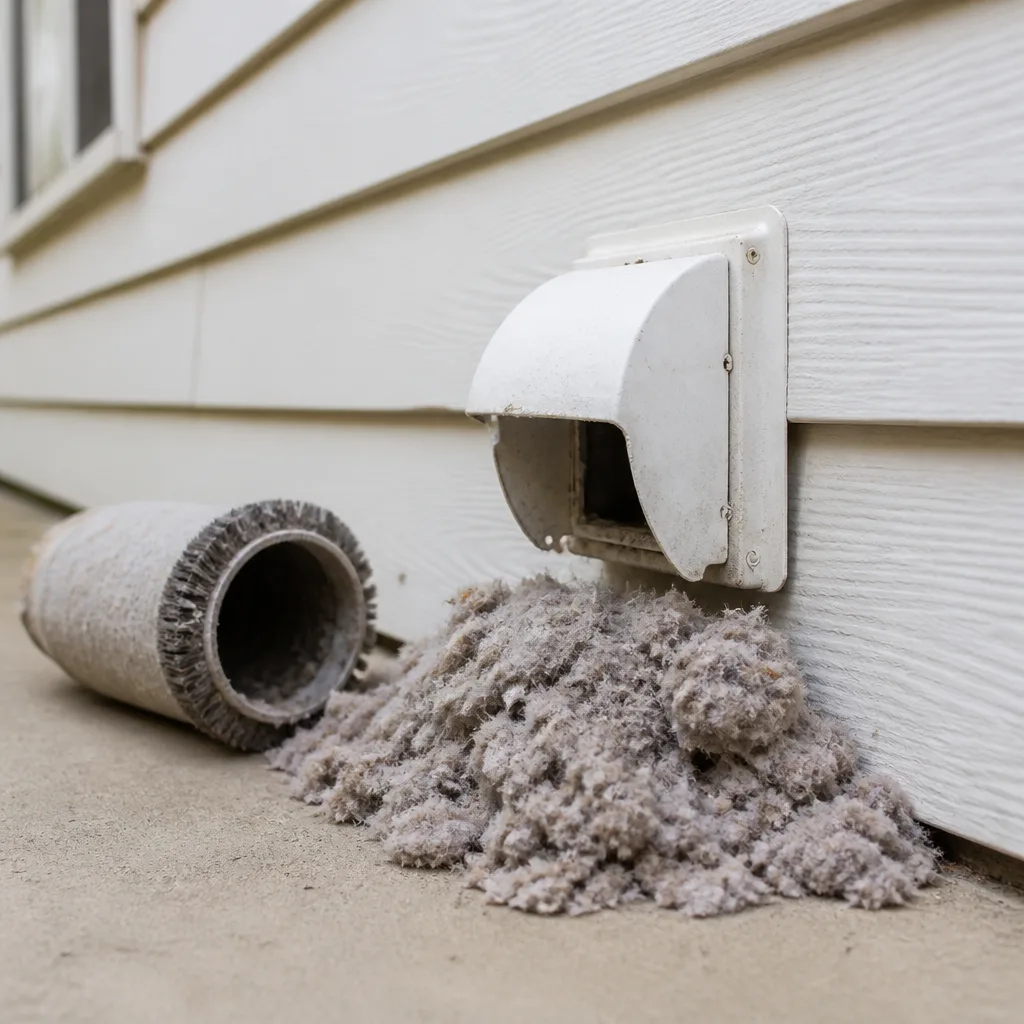 Dryer vent cleaning
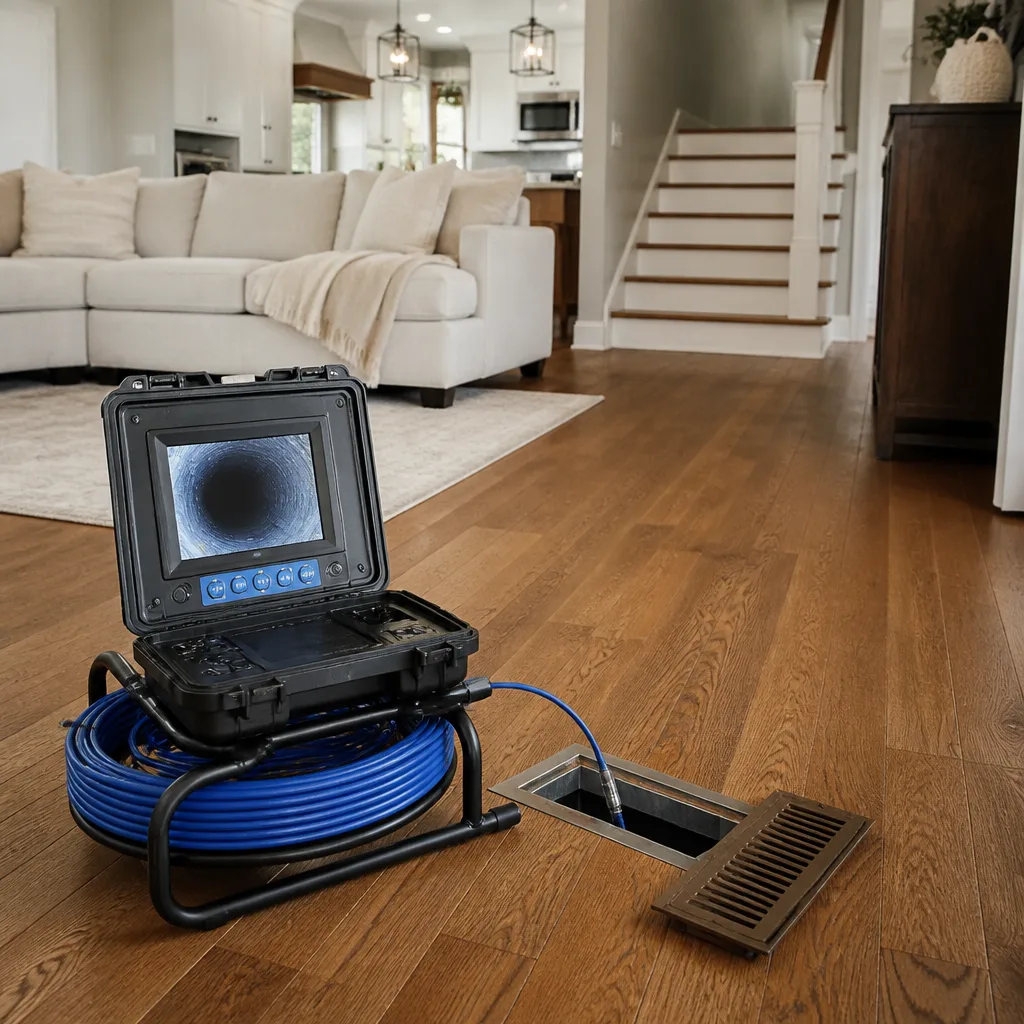 Camera inspection
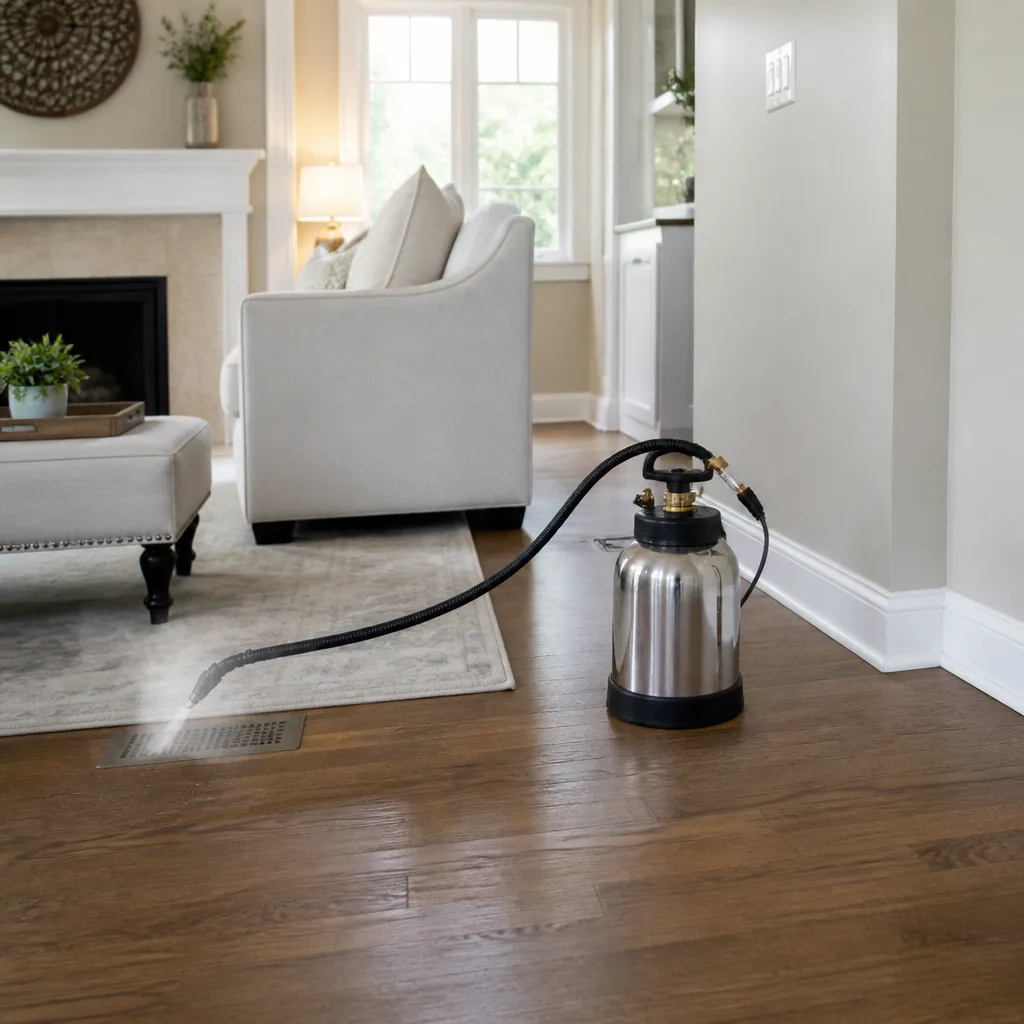 Sanitizing & deodorizing
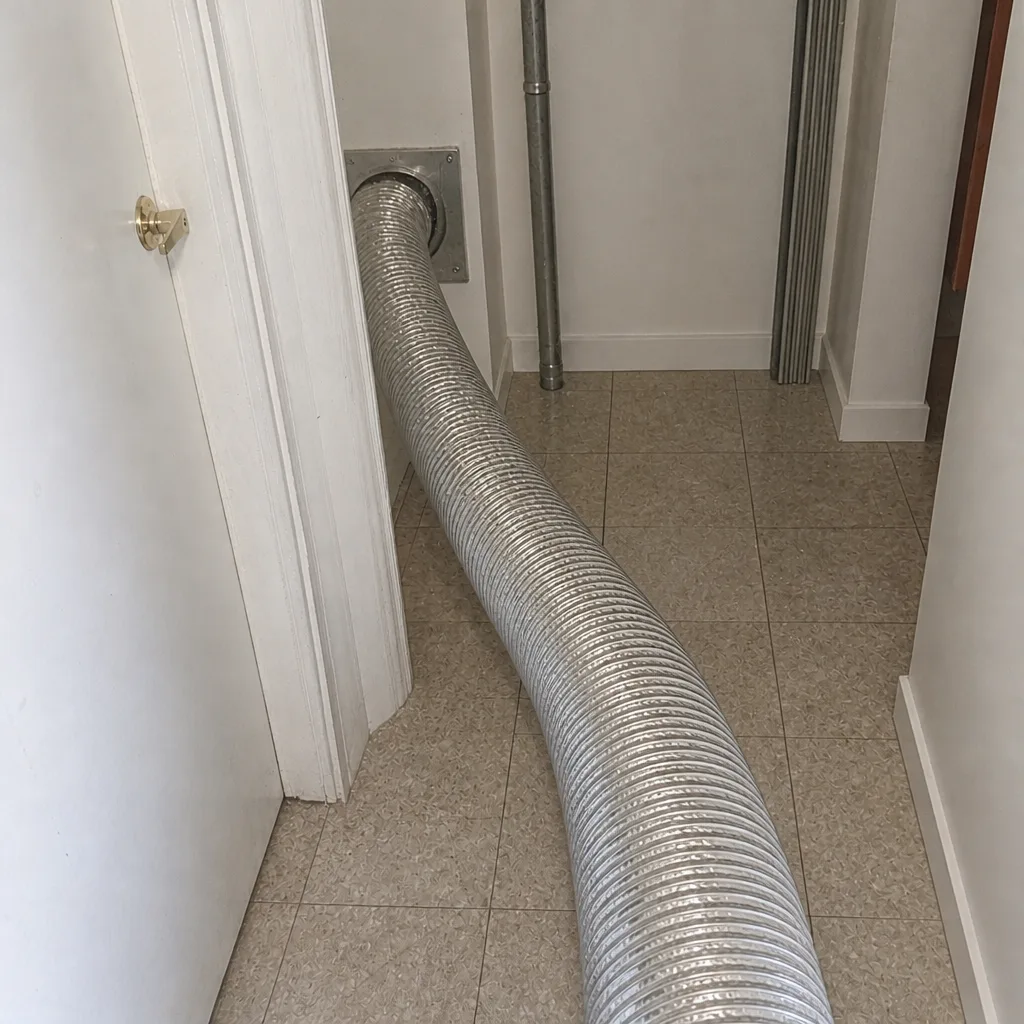
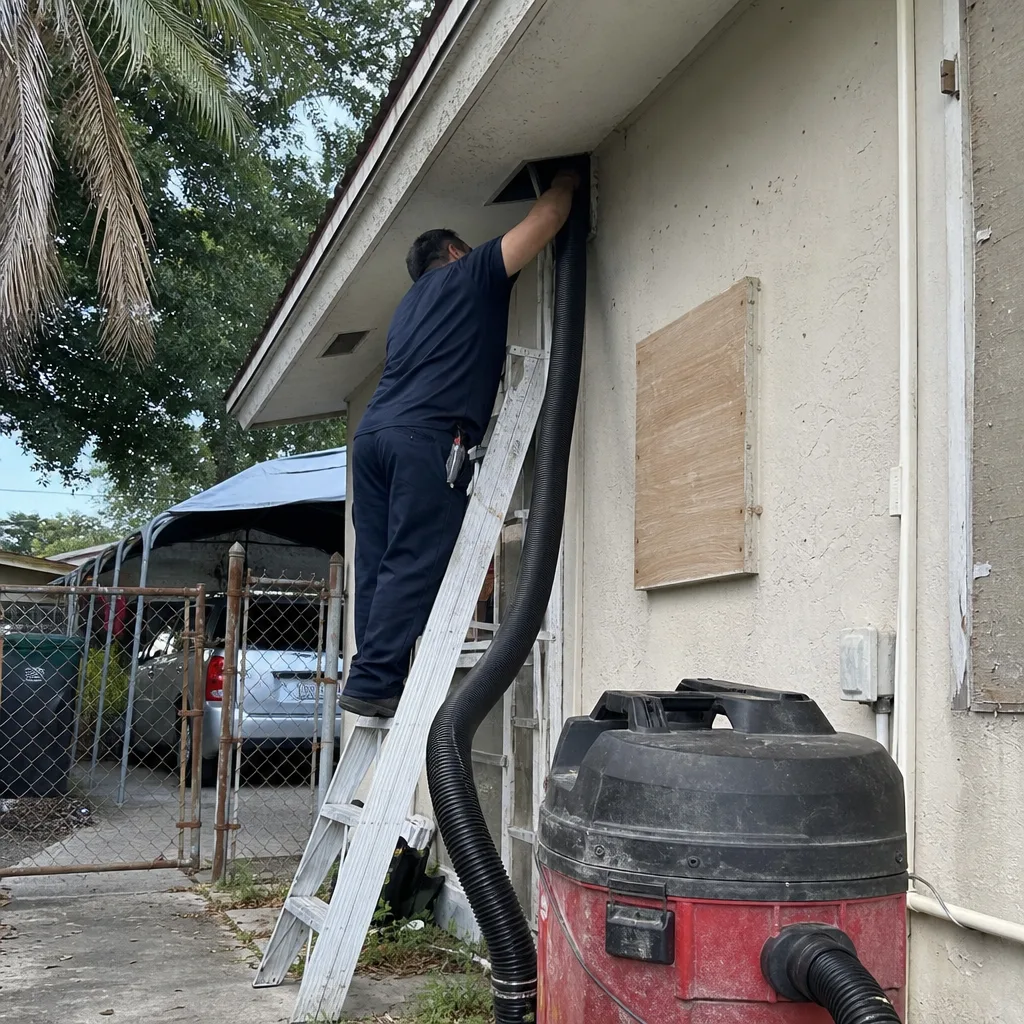
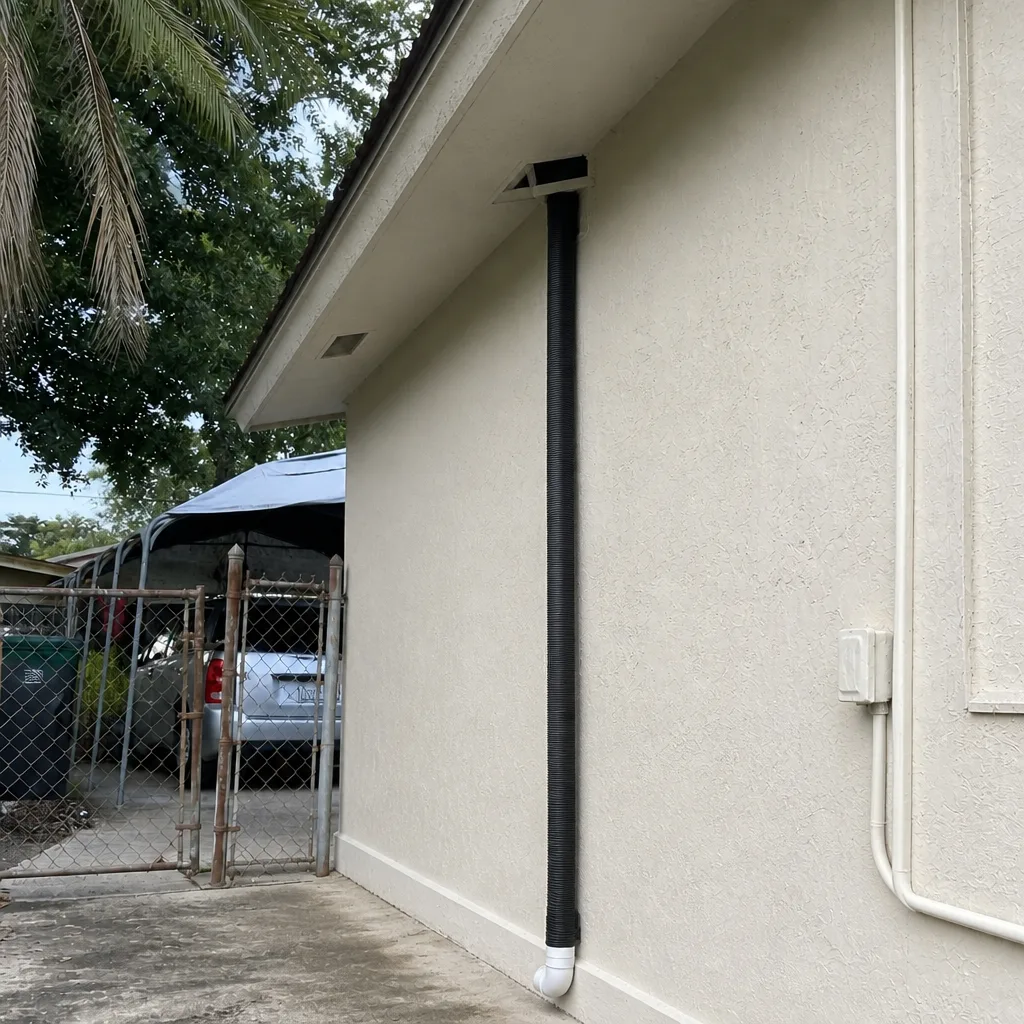
Whole-system duct and dryer vent check with before-and-after photos - you see exactly what came out of your vents
That "$99 whole-house special" is a bait ad - the real number appears once they are in your hallway, or the "clean" is a shop-vac at the register. We photograph the inside of your ducts before and after instead.
Air Duct Cleaning Warning Signs: A Miami Gardens Homeowner’s Reference Guide
A musty smell when the AC kicks on is a warning sign, but by the time you’re smelling it, the problem behind it has usually been growing for weeks. The signals that matter most in Miami Gardens show up earlier and quieter: a bedroom that never quite cools, condensation beading on a supply register, an electric bill that creeps up while your habits stay the same. None of those are loud. All of them are useful.
This guide teaches you to read those earlier indicators, tell contamination apart from refrigerant and electrical faults, and know when cleaning stops being the answer. You’ll finish knowing what to look at, what to ignore, and when to bring in professional equipment.
Quick Answer
The warning signs of dirty air ducts in Miami Gardens are uneven cooling between rooms, condensation on supply registers, a persistent musty or chemical smell when the system starts, visible dark staining inside return vents, and electricity bills rising without a change in usage. Some of the most serious contamination produces no smell and no visible clue until an inspection camera goes inside the ductwork.
Styles & brands we work with
- Whole-home duct cleaning
- Dryer vent cleaning
- Camera inspection
- Sanitizing & deodorizing
Table of Contents
- The Early Signals Most Homeowners Miss
- Reading the Obvious Signals Correctly
- Smell vs. Refrigerant vs. Electrical: Getting the Diagnosis Right
- What Recent Renovation Does to Ductwork
- Inspecting Your Return Vents: Normal, Biological, or Degraded
- When There’s No Sign At All
- When Cleaning Isn’t Enough
- What Professional Equipment Actually Changes
The Early Signals Most Homeowners Miss
The three earliest indicators of restricted airflow in a Miami Gardens home aren’t smells. They’re performance problems: rooms that don’t cool evenly, condensation where it shouldn’t be, and a utility bill that drifts upward. Restricted ductwork forces your air handler to work harder to push the same volume of air, and that shows up in your comfort and your power bill before it shows up in your nose.
Start with a simple cooling audit. On a hot afternoon, walk room to room with a thermometer and note the readings. A well-balanced system keeps rooms within a couple of degrees of each other. If one bedroom runs five degrees warmer while a nearby room runs cold, that’s not just a thermostat placement issue – it points to a restricted or leaking run on one branch of the system. In Miami Gardens, where the cooling season runs almost the whole year, that imbalance costs you far more than it would in a climate with a short summer.
Next, look at condensation. Supply registers should feel cold and stay dry. Beading water on the register face or a damp ring on the drywall around it suggests the register is throwing air too slowly or the supply is undersized for the room. Persistent condensation at a register in a Miami Gardens home often traces back to a duct that’s collapsed or disconnected before it reaches the room.
Then watch your bill. Pull the last three months of statements and compare them. If your habits haven’t changed and the number keeps rising, restricted airflow is one likely cause. It isn’t the only one, but it’s the cheapest to rule out – a visual inspection of the accessible ductwork answers the question fast.
These signals matter because they give you a real window to act. A cleaning visit on a system showing early airflow restriction is straightforward. The same system six months later, with condensation feeding biological growth, may need a different level of work.
Reading the Obvious Signals Correctly
The obvious signals – visible dust, musty odor, dust settling on furniture right after cleaning – are real, but they’re late indicators. Treat them as confirmation, not as your first alert. What matters is understanding what each one tells you.
- Dust puffing from registers on startup. Normal in small amounts. A visible puff every time the system cycles usually means the supply trunks have accumulated a layer of dust that the airflow lifts.
- Musty odor that rises when the AC engages. This is the classic signal, and it’s the one that means contamination is already established. Mustiness means moisture has been present long enough for organisms to grow.
- Dust settling within a day of cleaning. If surfaces you wiped yesterday are gritty today, the source is active – likely a return leak pulling attic or garage air into the system.
- Dark staining around supply diffusers. A dark halo on the ceiling paint around a register is a filter-boundary effect, meaning dust is passing through and depositing at the edge.
In Miami Gardens, these signals have a specific character. High indoor humidity most of the year means the system runs almost constantly, and a constantly running system moves more air through the same ductwork – more dust load, more opportunity for condensation to form on cool surfaces. A system that would stay marginal in a dry climate degrades faster here.
Heavy detection matters. A faint musty trace that you only catch when you first walk in is a different problem than a smell you notice in every room. If you can’t identify which room it’s coming from, the contamination is likely in the return side or the air handler closet, where the whole system passes through.
Smell vs. Refrigerant vs. Electrical: Getting the Diagnosis Right
Not every smell in a Miami Gardens home belongs to the ducts. Calling a duct cleaner for a problem that’s actually refrigerant or electrical wastes your money and leaves the real fault unaddressed. Getting the diagnosis right first saves you the second call.
Refrigerant leaks produce a distinct sweet, chemical smell, and they usually come with cooling loss across the entire home, not just one room. If the system is blowing warm air everywhere and you smell something sharp and chemical near the indoor coil, that’s an HVAC technician’s job, not a duct cleaner’s.
Electrical faults smell like hot plastic or burning dust. A burning-dust smell on the first cool day of the year is usually harmless – it’s dust burning off the heat strips. The same smell in the middle of the cooling season, or a smell that comes with a flickering thermostat or a tripping breaker, is an electrical issue you should have looked at before anything else. Don’t run the system until it’s checked.
Genuine duct smells are different. They’re earthy, musty, sometimes sour. They get stronger when the fan runs and weaker when it stops. They may be localized – one room smells worse than another. They don’t come with cooling loss, unless airflow restriction is also present.
Use this quick decision order:
- Does the smell appear only when the system runs, and fade when it stops? Likely duct or air handler contamination.
- Is the whole house warm, with a chemical smell near the indoor unit? Likely a refrigerant issue. Call an HVAC technician.
- Is there a hot plastic smell, or any smell alongside flickering or tripping? Treat it as electrical. Stop running the system and get it checked.
- Is the smell strong in one room only? The contamination is likely in that branch or at that return.
When you’ve ruled out refrigerant and electrical, you’re looking at the duct system – and that’s where a professional assessment belongs.
What Recent Renovation Does to Ductwork
If you’ve renovated in the last year, your ducts have been through something your standard filter wasn’t built for. Drywall dust is finer than the particles a typical 1-inch filter catches. Insulation fibers from opened walls drift. Construction adhesive and paint vapors settle into the duct surfaces as a film that traps dust and holds odor.
This is one of the most under-appreciated sources of contamination in Miami Gardens homes, particularly in older neighborhoods where families remodel to add a room or update a kitchen. The dust from a single drywall job can coat every accessible inch of supply and return ducting in a way that looks almost invisible from the register face but shows up clearly on an inspection camera.
Here’s what a post-renovation duct does over time:
- The fine drywall particulate bonds to the interior surface, creating a slightly tacky layer that catches every subsequent particle.
- Insulation fibers from opened walls collect in the return plenum and at the air handler, where they can foul the coil.
- Adhesive and solvent residue from cabinets and flooring cure inside the duct film and release odor whenever the fan runs.
- Construction debris – small pieces of drywall, tape, screws – can lodge in the trunk line and restrict airflow at a bend.
The right response after a renovation isn’t a shop-vac pass through the visible vents. It’s a full-system cleaning with HEPA-level extraction that captures the fine particulate without blowing it back into the living space. Abatement Technologies filtration equipment exists for exactly this reason – it contains the dust load at the source instead of redistributing it.
If your renovation is more than a few months behind you and you’ve never had the system cleaned, the ducts are carrying that dust into every room every time the fan runs. That’s worth addressing before the next renovation starts.
Inspecting Your Return Vents: Normal, Biological, or Degraded
Your return vents are the best window into your duct system that you have without professional tools. The return side pulls air back to the air handler, so what coats a return grille is a rough sample of what’s inside the whole system. Learn to read three distinct patterns.
Normal dust accumulation looks like a uniform, thin gray-brown film on the grille face and just inside the opening. It builds slowly. You can wipe it off and it stays off for weeks. There’s no smell, and the visible area beyond the grille looks the same tone as the grille itself.
Active biological growth looks different. It’s often patchy, dark, and sometimes powdery or fuzzy. It may have a greenish or blackish cast and it tends to concentrate where condensation forms – near the air handler closet or at a return in a bathroom or laundry area where moisture is present. If you see this pattern, don’t disturb it. Disturbing a growth site releases spores directly into your living space. Have it assessed with proper containment equipment.
Insulation degradation shows up as a rough, flaky, or crumbly surface just inside the return opening. The interior liner of the duct, or the exterior insulation of a flex run, has begun to break down. This is common in South Florida systems because the constant cooling load keeps the duct working hard, and older flex duct doesn’t last forever. A degraded liner is more than a dirt problem – it means the duct’s own surface is failing and can’t be cleaned back to a sound condition.
A quick check you can do without tools: remove one return grille in a central hallway and look at the visible duct behind it with a flashlight. Compare what you see there with what you’d expect from a thin gray film. If anything is patchy, fuzzy, or crumbling, take a photo and have a professional look at it before you clean.
When There’s No Sign At All
This is the part that separates the useful warning signs from the obvious ones. Some of the most serious duct contamination in Miami Gardens homes produces no smell, no visible dust, and no obvious comfort problem – until an inspection camera goes inside the ductwork.
Where does it hide? In the trunk line behind walls and ceilings, in the air handler plenum, and in the branch runs that feed unused rooms. The register face can look normal because the contamination is set back a foot or more, past the visible section. The smell can be masked because the system’s own air movement dilutes it before it reaches your nose.
Two conditions raise the odds of hidden contamination even when nothing obvious is wrong:
- You’ve never had the system cleaned and you don’t know its history. New homeowners in Miami Gardens often inherit a system that ran for many years with minimal service. A visual inspection of the accessible ductwork and an inspection camera run through the trunk line is the only way to know what’s inside.
- There’s been moisture intrusion at any point. A roof leak, a bathroom overflow, an AC condensate issue – any event that put water into the ceiling or wall cavity near a duct run leaves the potential for growth that has no smell and no visible clue at the register.
This is where professional-grade equipment earns its keep. A Rotobrush rotary-brush system paired with Nikro HEPA vacuum equipment gives a technician a real look into the duct and a way to remove what’s found without releasing it into your home. Guessing based on what you can see at the grille is exactly what leads to a cheap cleaning that misses the actual contamination and a homeowner who’s back to square one a few months later.
If you’re unsure, an inspection is a low-cost way to find out. It’s also a fair way to settle the question without spending on a full cleaning you don’t yet need.
When Cleaning Isn’t Enough
There’s a threshold past which cleaning the duct doesn’t solve the problem, and it’s important to know where that threshold sits before you book the visit. Cleaning restores a sound duct system that has accumulated dust and debris. Cleaning cannot fix a duct that has physically failed, and no amount of scrubbing will make a breached or disconnected duct produce balanced airflow.
These are the conditions where repair becomes the real solution:
- Visible tears or disconnections in accessible duct. A flex run pulled loose at a fitting, or a section of duct physically separated at a joint, means air is escaping into the attic or wall cavity instead of reaching the room. Cleaning that duct doesn’t stop the leak.
- Collapsed sections. Older flex duct can sag or collapse under its own weight, and the inner liner can fold in on itself. Cleaning can’t reopen a collapsed run.
- Degraded interior liner. When the fiberglass interior of the duct has broken down and is shedding, cleaning makes it worse. The liner needs to be repaired or the run replaced.
- Persistent uneven cooling after a cleaning. If a full clean doesn’t resolve the imbalance, the cause is a physical restriction or a sizing problem, not just dirt.
- Structural leaks at the plenum or air handler connections. These are common in South Florida homes with older systems, and they pull attic air – hot, humid, and often contaminated – directly into the supply.
This is why the right technician asks a diagnostic question first. Oasis Air Duct offers three services – air duct cleaning, dryer vent cleaning, and air duct repair – and that third service matters here. We assess the whole system before recommending work, because a cleaning visit that misses a failed duct is a wasted visit. Our Miami Gardens customers benefit from a company that can spot the failure and fix it, not just one that outsources the repair. When the answer is repair, the answer is repair.
What Professional Equipment Actually Changes
The difference between a meaningful duct cleaning and a superficial one comes down to what’s in the truck. A shop vac and a blower can knock loose dust off the visible section of duct, but they can’t pull the fine particulate out of a full run, and they can’t contain what they dislodge. That’s why the equipment question matters when you’re evaluating a cleaning quote for your Miami Gardens home.
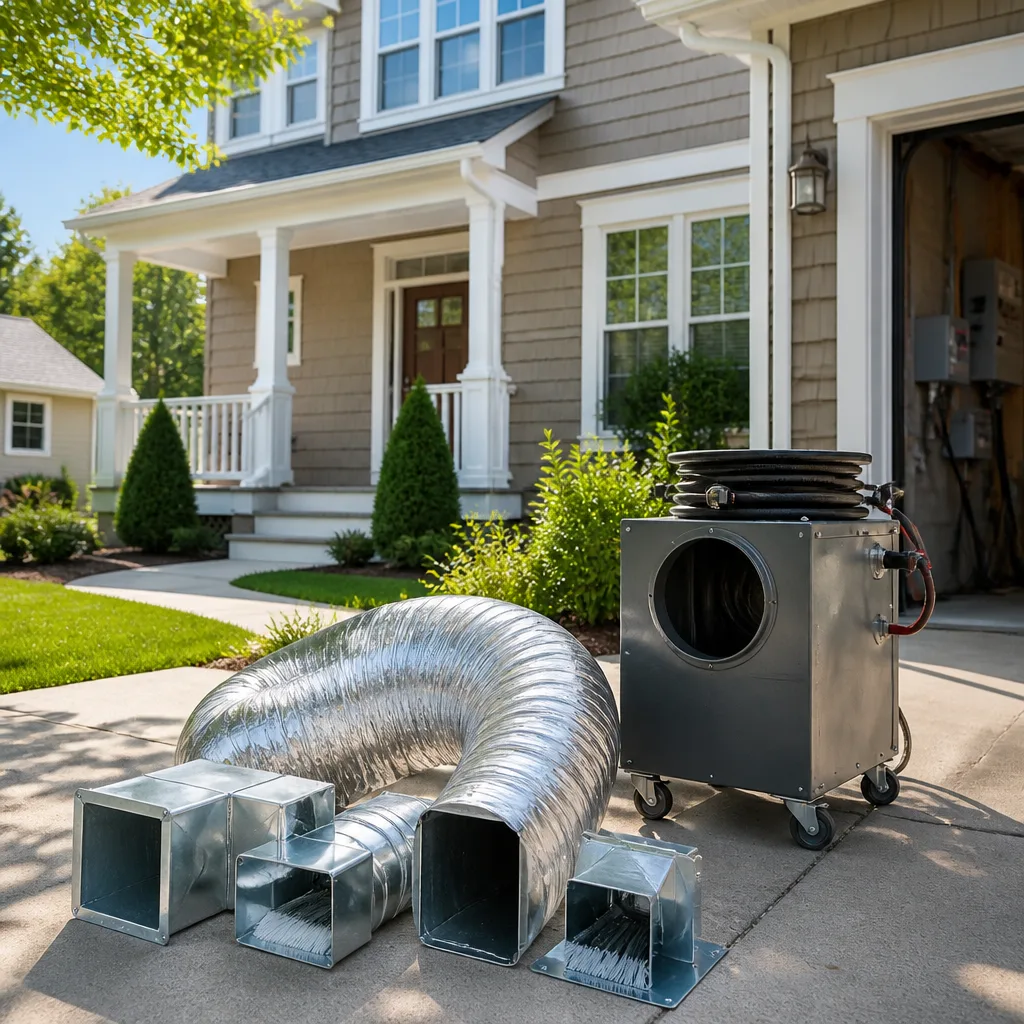
Professional platforms like Rotobrush rotary-brush systems and Nikro HEPA-filtered vacuums are the same equipment used by remediation contractors and indoor air quality specialists. A rotary brush scrubs the duct wall to remove the bonded film that a vacuum alone leaves behind. A HEPA vacuum captures what’s removed, including fine particles that a standard shop vac passes right back into the room.
Abatement Technologies equipment takes the containment further, which matters for heavily contaminated systems and any post-renovation job. This is remediation-level containment: the dust load stays at the source instead of being redistributed through your home.
For whole-home IAQ solutions, the Honeywell and Aprilaire product lines are what we reach for when a cleaning visit reveals a filtration or ventilation gap. Addressing the source of contamination and then adding the right filtration so it doesn’t return is more useful than cleaning alone.
Our approach is equipment-first because your system is worth it. Oasis Air Duct brings professional-grade platforms to every job – not improvised tools with a brand name sticker on the side. We clean it. We repair it. We clear it. That’s the full scope of the duct system, and it’s the reason we can tell you honestly when cleaning is the answer and when it isn’t.
Common Mistakes to Avoid
- Judging the system by the register face alone. The visible grille tells you very little about what’s inside the trunk line. Contamination routinely sits a foot or more past the register, and an inspection camera is the only honest way to see it.
- Using a shop vac to “clean the ducts” yourself. A shop vac pulls debris back into the room, can’t reach more than a few feet into a run, and can damage flexible duct if you’re not careful. The dust ends up in your upholstery instead of a HEPA filter.
- Blaming duct smells on the ducts without ruling out refrigerant or electrical. A sweet chemical smell and warm air throughout the home is an HVAC problem. A hot plastic smell is an electrical problem. Confusing them wastes a service call and leaves the real issue unaddressed.
- Booking the cheapest quote without asking about equipment. Low-bid duct cleaning is usually a shop vac, a blower, and thirty minutes on the clock. The price is low because the scope is small. Ask what machinery is used, not just what the visit costs.
- Skipping the cleaning after a renovation. Drywall dust, insulation fibers, and adhesive vapors settle into the duct and stay there. A standard filter doesn’t catch them. Get the system cleaned once the project is done, not a year later.
- Ignoring a collapsed or disconnected duct because the system “still runs.” It runs, but the air isn’t reaching the room it’s supposed to. A cleaning visit won’t fix a physical failure – you need repair.
- Disturbing visible growth without containment. If you see a patchy, dark, or fuzzy deposit inside a return, leave it alone and have it assessed. Wiping at it releases spores into your home.
See the difference
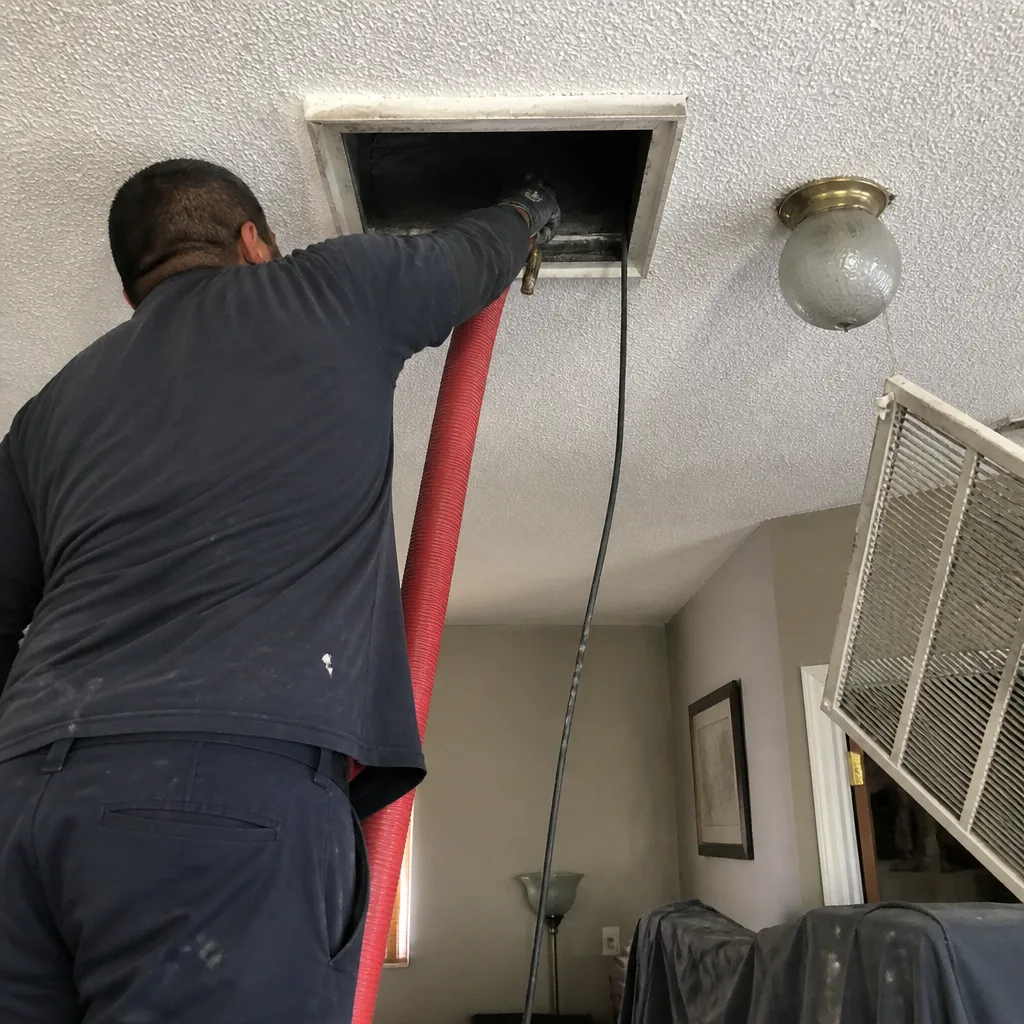 Before
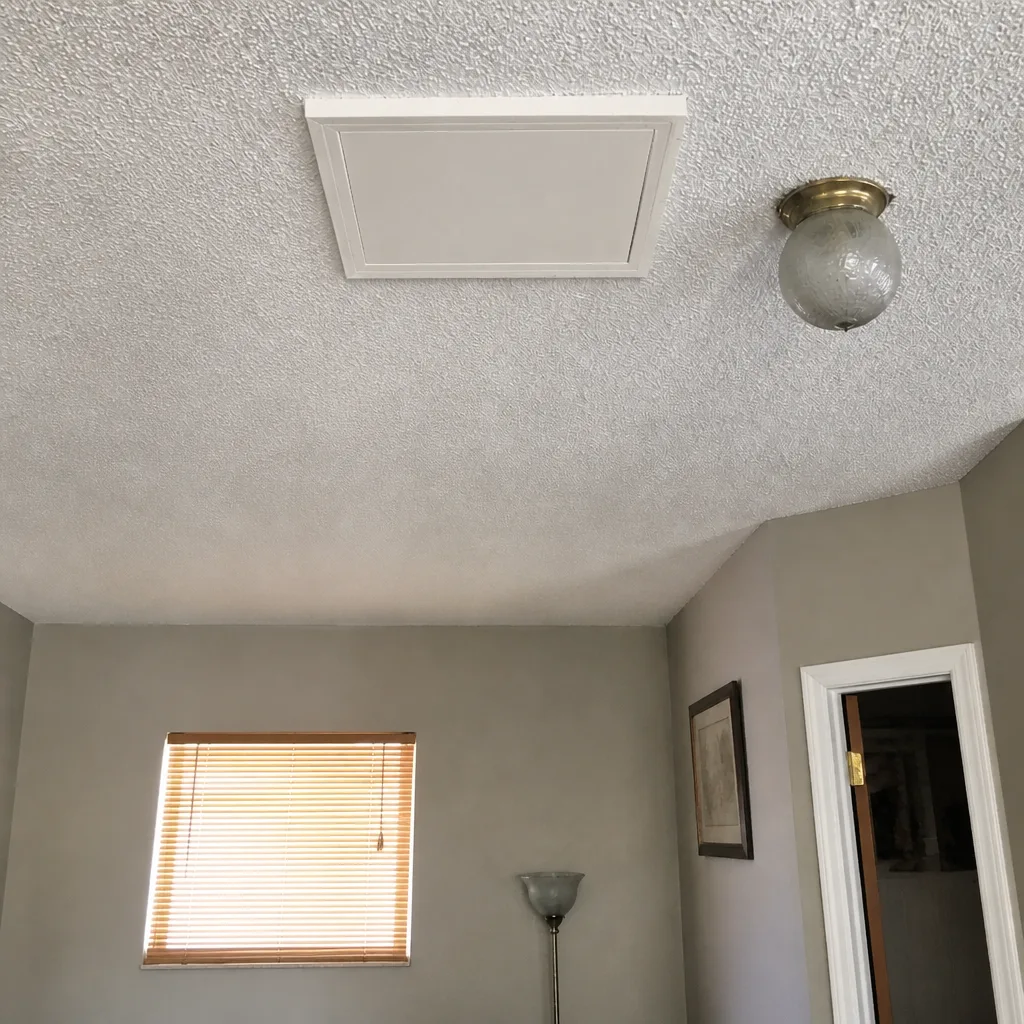 After
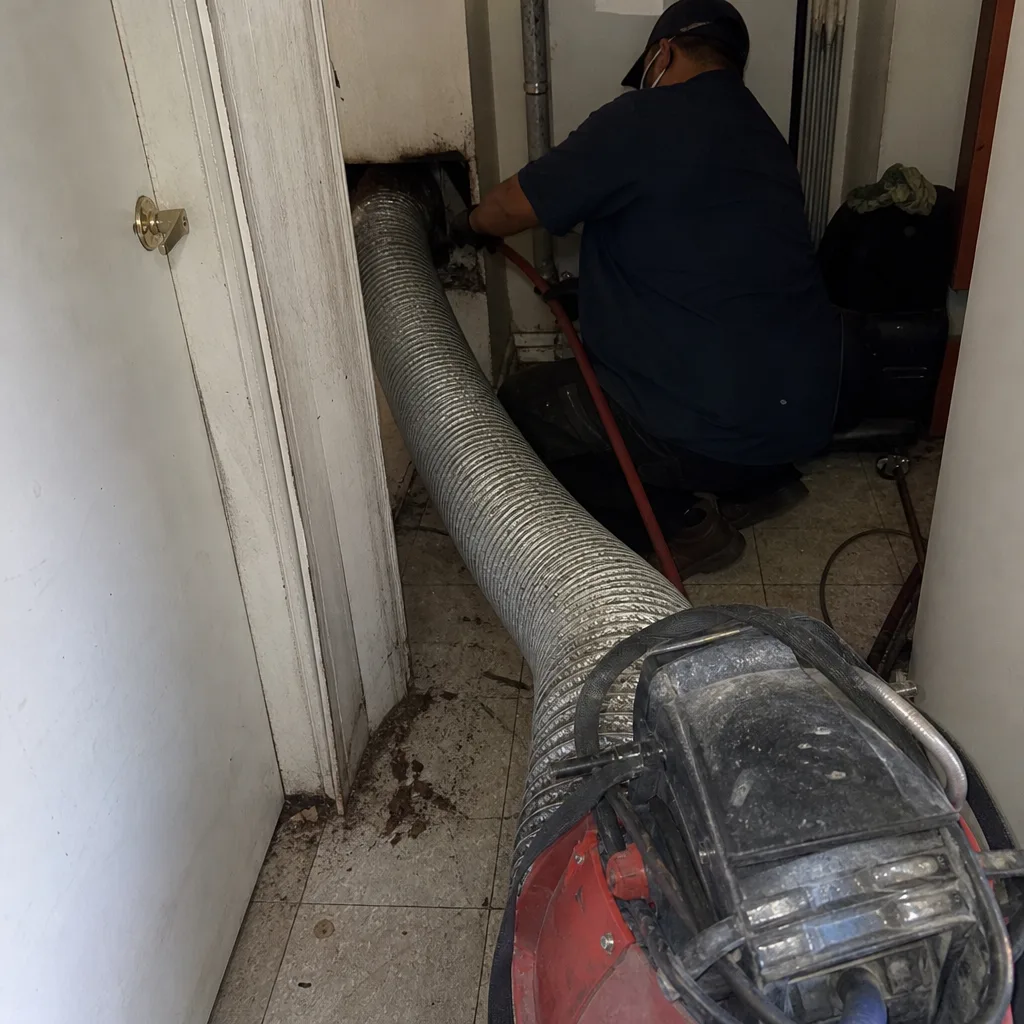 Before
 After
 Before
 After
When to Call a Professional
Call for a professional assessment if you spot any of the following: a musty odor when the AC starts, visible staining or fuzzy growth inside a return vent, consistent uneven cooling that a thermostat change doesn’t fix, condensation on a supply register, a utility bill that keeps climbing without a usage change, or a home you’ve just bought whose duct history is unknown. Also call if you’ve finished a renovation in the past year and never had the ducts cleaned after. Any of these is a legitimate reason to get a real inspection, and the earlier you call, the simpler the fix usually is.
Oasis Air Duct offers free estimates in Miami Gardens. Call (833) 384-3692. We answer 24/7. Fast dispatch from 7am to 7pm, Sunday through Friday. We bring professional-grade equipment to every job, we work from a written estimate that sets the price per job before any work starts, and we show you before-and-after photos of your own duct system so you know exactly what was done.
Frequently Asked Questions
Typical estimates for a whole-home duct cleaning in the Miami Gardens area fall in a wide range depending on the size of the system, the number of runs, and how heavy the contamination is – most homeowners should expect to get a written, per-system price rather than a number based on vent count. The written estimate is what sets the final price, and it should be agreed before any work starts. Call (833) 384-3692 for an exact quote – estimates are free.
A low quote is usually a low scope. The cheapest cleaners arrive with a shop vac and a blower, hit the visible sections of duct, and leave – which is why the price is what it is. Thorough cleaning uses professional platforms like a Rotobrush rotary brush and a Nikro HEPA vacuum, contains the dust load with proper filtration, and shows you before-and-after photos so you can see what was actually removed. Ask what equipment is used and whether you’ll see documentation. Call (833) 384-3692 to compare a real estimate against what you’ve been quoted.
Ask for before-and-after photos of your own duct system, not stock images. A reputable cleaner will show you the interior of the duct before and after work, along with the equipment being used and what was found. If a company can’t show you the inside of your ducts, you don’t have proof the work was done. Call (833) 384-3692 to talk through what documentation we provide.
Most homes benefit from a professional cleaning every few years, but the schedule depends on the home. A system that runs almost constantly through a long cooling season loads up faster than one in a mild climate, and homes with pets, recent renovations, or seasonal allergy concerns should be assessed sooner. There’s no single right interval – a routine inspection tells you what your specific system needs. Call (833) 384-3692 to book an assessment.
Uneven cooling between rooms usually means a restriction or leak on one branch of the duct system, not a failing AC. Dirt buildup, a collapsed or disconnected run, or a duct sizing problem can all push more air to one room than another. A cleaning resolves a dirt-related imbalance; a repair resolves a physical one. Have both ruled out before assuming you need a new system. Call (833) 384-3692 for an assessment.
No – musty smell is usually a duct or air handler issue, but it needs to be distinguished from refrigerant and electrical smells first. Sweet, sharp chemical smells with whole-house cooling loss are likely HVAC faults, and hot plastic or burning smells point to electrical. Musty, earthy, or sour smells that get stronger when the fan runs and fade when it stops are the ones that point to duct contamination. Call (833) 384-3692 to have it correctly diagnosed.
The Bottom Line
The warning signs that matter most in Miami Gardens are the quiet ones: uneven cooling, condensation on a supply register, an electricity bill that drifts upward. The loud ones – musty smell, visible dust – are real but late. Some of the most serious contamination produces no visible sign at all until an inspection camera goes inside the trunk line, which is why a proper assessment with professional equipment is worth more than a visual guess at the register. When the system still runs but doesn’t cool right, or when a cleaning doesn’t resolve the problem, the answer is a duct repair, not another cleaning. Get the diagnosis right first, and the fix follows.
Contact
If any of the signs in this guide sound like your home, the next step is a real assessment with the right equipment. Oasis Air Duct uses Rotobrush, Nikro, and Abatement Technologies platforms on every job, offers air duct cleaning, dryer vent cleaning, and air duct repair, and works from a written estimate agreed before any work begins. Call (833) 384-3692 for a free estimate. We answer 24/7. Fast dispatch from 7am to 7pm, Sunday through Friday.
Written by the team at Oasis Air Duct, serving Miami Gardens since 2013.