
Last updated November 14, 2026
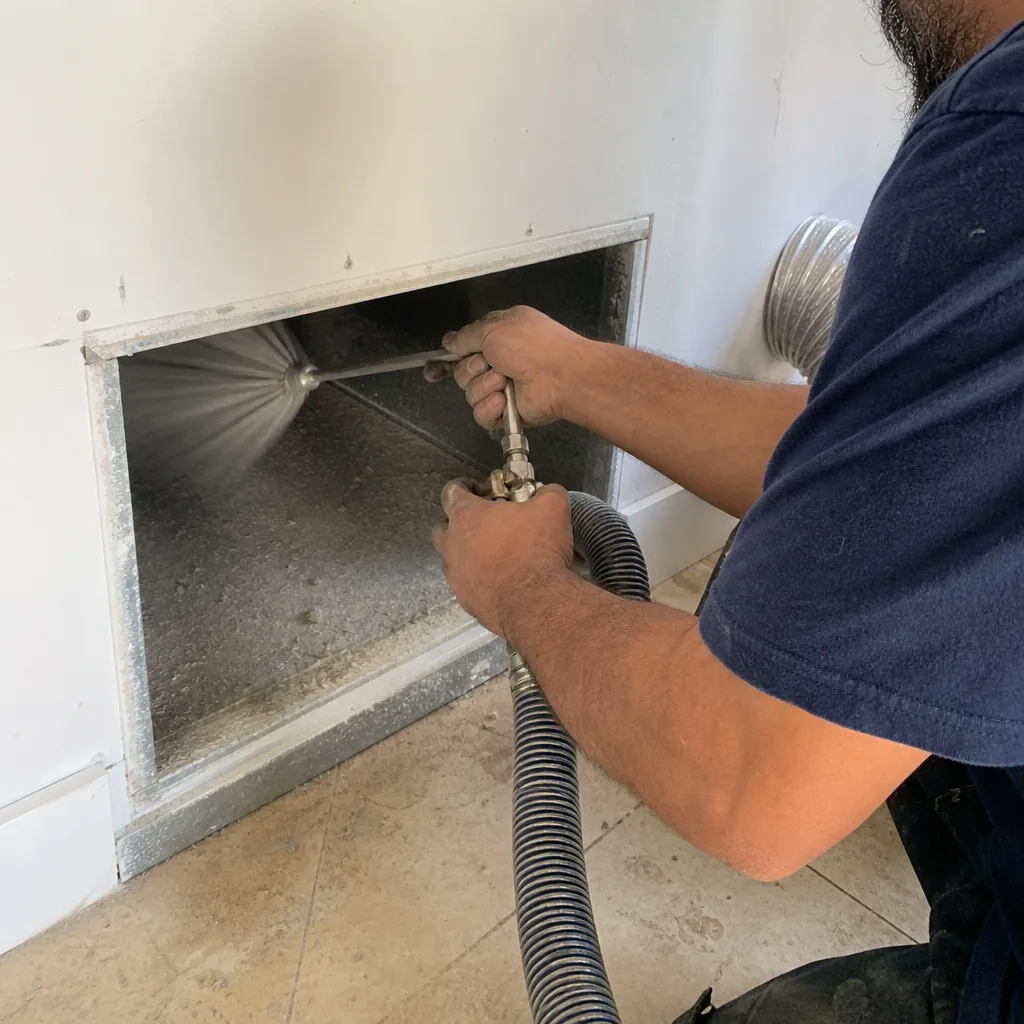
 Whole-home duct cleaning
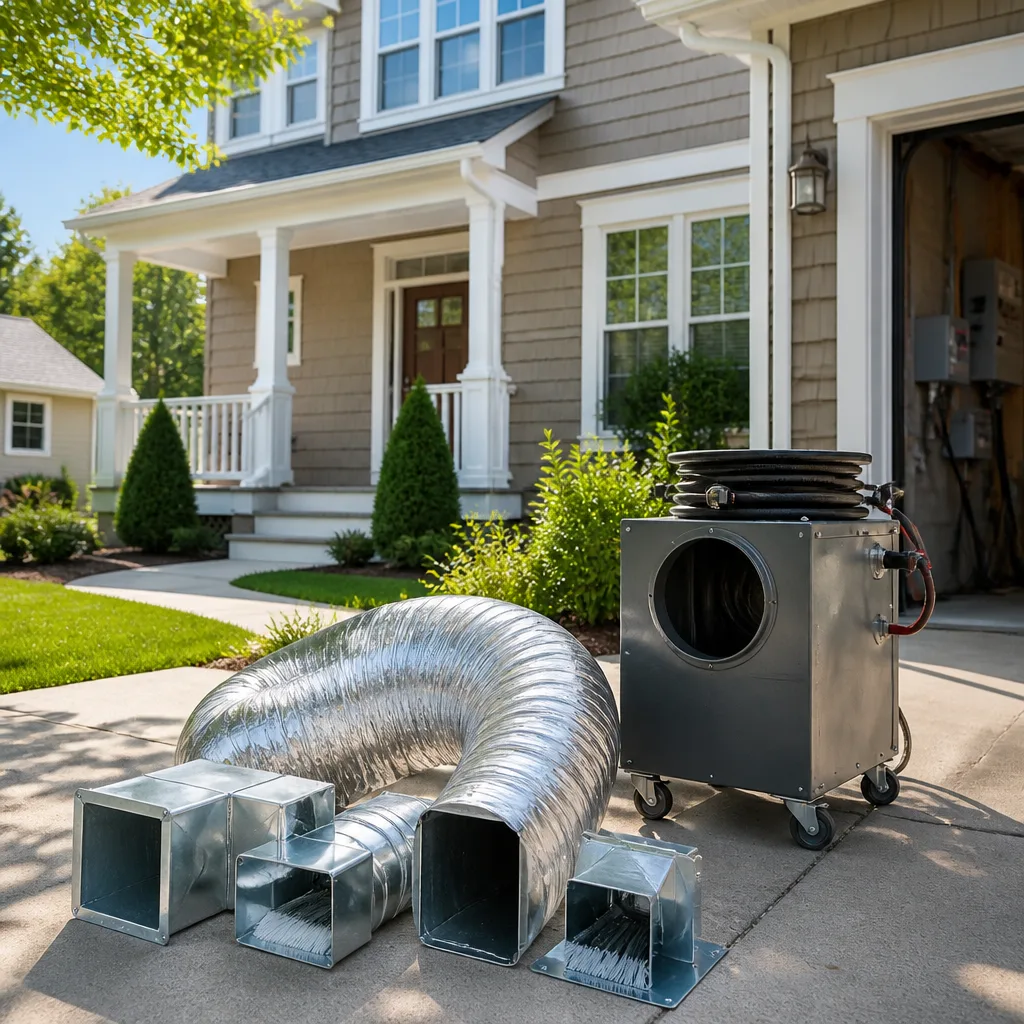
 Dryer vent cleaning
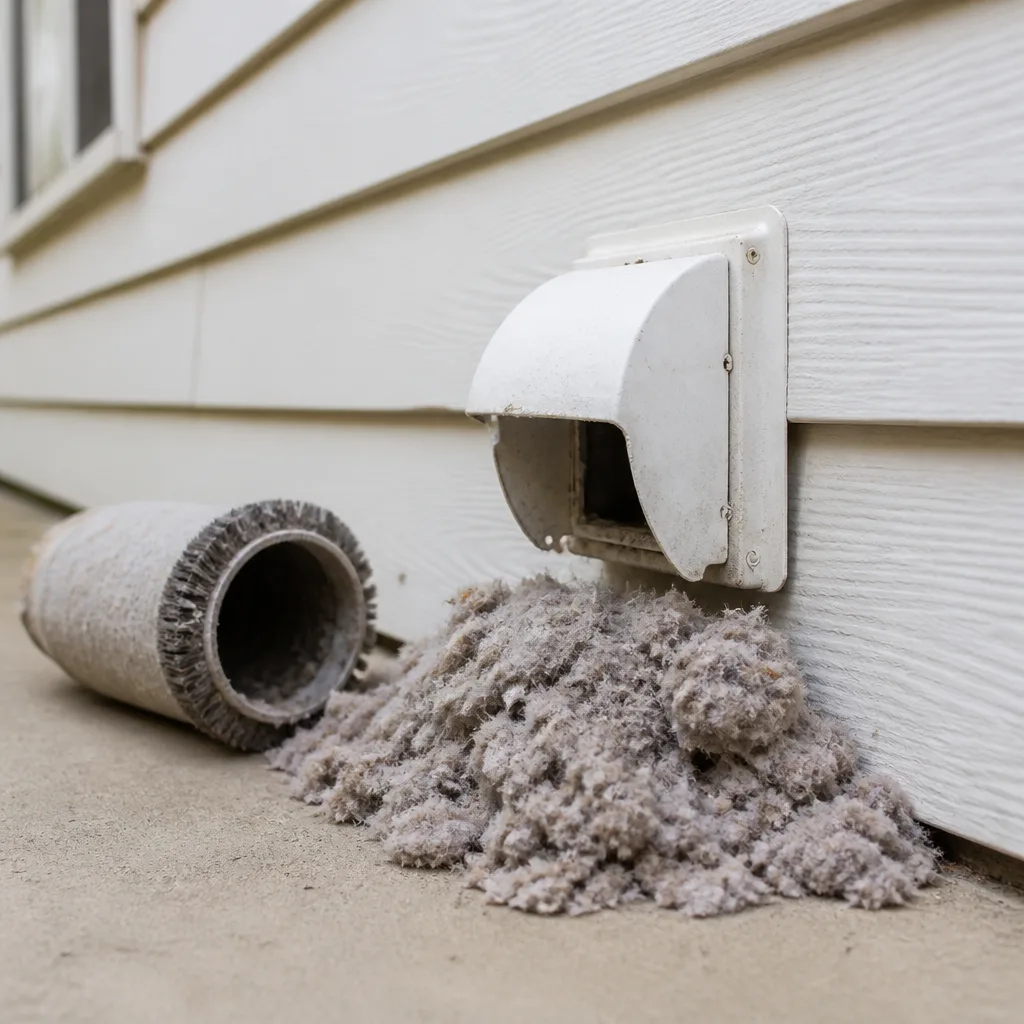
 Camera inspection
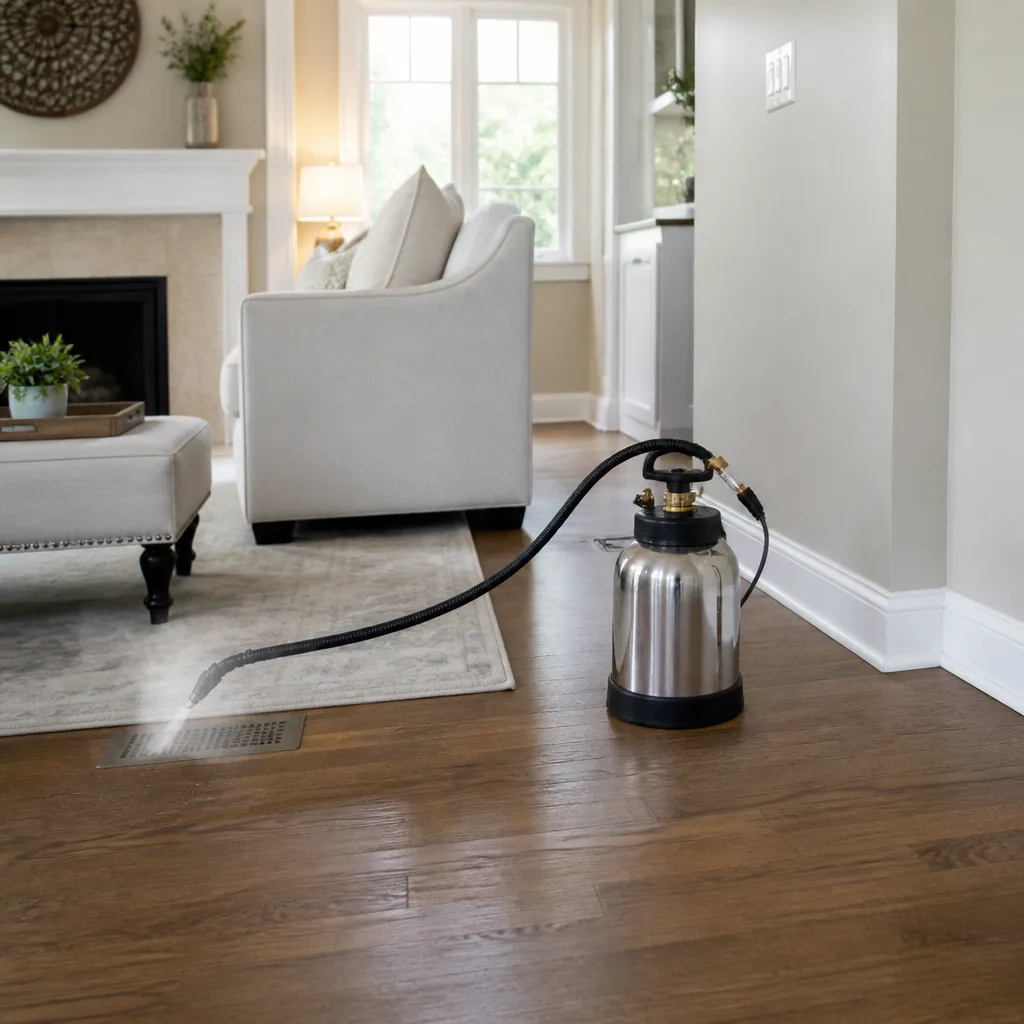 Sanitizing & deodorizing
Whole-system duct and dryer vent check with before-and-after photos - you see exactly what came out of your vents
That "$99 whole-house special" is a bait ad - the real number appears once they are in your hallway, or the "clean" is a shop-vac at the register. We photograph the inside of your ducts before and after instead.
Air Duct Cleaning Permits, Codes & Inspections in Miami Gardens, FL: What You Need to Know
Here’s the part that surprises most homeowners: the cleaning itself is the easy question. Routine air duct cleaning in Florida generally requires no permit. But “cleaning” is a word some contractors stretch to cover work that does need one, and that’s where trouble starts. When duct sections get replaced, when chemicals go into the system, or when the ducts serve more than one unit, the rules change and the homeowner is the one left holding the paperwork. This guide walks through where that line sits in Miami Gardens and Miami-Dade County, what to verify before anyone touches your ductwork, and how to check a contractor’s permit history yourself.
Quick Answer
Routine air duct cleaning in Miami Gardens does not require a permit, because it’s maintenance rather than construction. Replacing duct sections, altering the duct layout, or applying chemical treatments inside the ductwork can require a permit and a licensed contractor under Florida Building Code and Miami-Dade County rules. Multi-unit buildings add another layer of review. If a contractor can’t tell you plainly which category their work falls into, that’s your signal to slow down.
Styles & brands we work with
- Whole-home duct cleaning
- Dryer vent cleaning
- Camera inspection
- Sanitizing & deodorizing
Table of Contents
- Where Florida Building Code Draws the Line
- How Contractors Blur the Cleaning vs. Repair Distinction
- Chemical Treatments and Biocides in Miami-Dade
- HOA and Condo Rules That Overlay County Code
- What to Verify Before Any Duct Section Is Replaced
- How to Check Miami-Dade’s Permit Portal
- What an Inspection Actually Looks At
- Why Miami Gardens Ductwork Ages the Way It Does
Where Florida Building Code Draws the Line
The distinction comes down to maintenance versus modification. Cleaning the interior surfaces of existing ductwork is maintenance. Changing the ductwork itself, its materials, its routing, or its connections is construction, and construction is what the code regulates.
In practical terms, here’s how the split usually falls:
- No permit typically required: mechanical cleaning of duct interiors, vacuum extraction, brush agitation, sealing small accessible leaks at joints with approved tape or mastic, replacing a register grille or diffuser of the same size.
- Permit typically required: removing and replacing flex duct runs, changing duct size or routing, adding or removing supply or return branches, reconnecting a disconnected run in a way that alters the system, replacing a plenum connection.
That middle ground is where most disputes live. A technician finds a crushed section of flex duct behind a soffit during cleaning. Replacing it seems like an obvious fix and a small job. But it’s an alteration to the duct system, and in most Florida jurisdictions that means a permit, an inspection, and a licensed mechanical contractor. The homeowner who says “sure, go ahead” without asking about the permit is the one who inherits the record.
For Miami Gardens homeowners, this matters more than in most places because so much of the local housing stock was built in the 1950s through 1970s, when duct systems were often installed in attics and crawl spaces with less documentation than today’s construction. When a contractor opens up a system in an older home near Scott Lake or along the corridors off Northwest 27th Avenue, they’re often working on ductwork that’s been modified before, sometimes without permits. That history follows the address.
How Contractors Blur the Cleaning vs. Repair Distinction
The most common version of this problem is simple: a company quotes a cleaning, arrives, and discovers “problems” that require immediate repair. Sometimes those problems are real. Sometimes the repair is quoted as part of the cleaning so the homeowner never thinks to ask whether a permit is involved.
Watch for these patterns:
- The package upgrade. The quote starts as a cleaning and becomes a cleaning plus “duct sealing” or “duct replacement” at the same visit, with no mention of permitting or inspection.
- The vague repair. You’re told a section “needs to be replaced” but not asked to sign a scope of work or shown where the permit fits.
- The handoff. A cleaning-only company finds a repair and says they’ll “have someone take care of it,” without clarifying that the someone needs to be a licensed mechanical contractor pulling the right permit.
- The verbal assurance. “We do this all the time, no permit needed.” That may be true for cleaning and false for what they’re actually proposing.
In our experience, the honest version of this conversation is straightforward. A cleaning company should be able to say: “This is cleaning, no permit. That repair over there needs a licensed mechanical contractor and a permit – here’s what that involves.” Companies that can do both should be equally clear about which part of the job is which.
This is one reason we offer air duct cleaning and duct repair as separate, clearly scoped services. When we find a breach, a collapsed section, or a disconnected run, we tell you what it is and what it takes to fix it correctly. If the fix crosses into permitted work, we say so plainly. Our cleaning work uses Rotobrush rotary-brush systems and Nikro HEPA-filtered vacuums – professional equipment, not improvised tools – and that equipment also lets us assess the condition of the whole system instead of guessing.
Chemical Treatments and Biocides in Miami-Dade
This is the section most homeowners have never thought about, and it’s often the one that matters most. Cleaning with mechanical methods – brushes, vacuum, air agitation – is one thing. Applying a chemical product inside the ductwork is another, and it comes with its own requirements.
If a contractor proposes any chemical application inside your ducts, these are the questions to ask:
- Is the product EPA-registered for use in HVAC ductwork? Not just “EPA-registered” as a general claim – registered for this specific application.
- Does the contractor hold the state license required to apply it? In Florida, pesticide and biocide application is regulated separately from mechanical work, and not every duct cleaning company carries that credential.
- What’s the product name, and can you see the label? A legitimate applicator can hand you the label and the safety data sheet without hesitation.
- What’s the ventilation plan during application? Occupants, pets, and anyone with respiratory sensitivity need to be clear of the space while treatment is applied and while it off-gasses.
Miami-Dade County adds its own layer here. Environmental and air quality regulations can apply to certain applications, and contractors working in multi-unit buildings face additional review. If a company can’t answer the first question clearly, the conversation is over. Chemical treatment inside a duct system that serves your family’s bedrooms is not a place for guesswork.
Our approach on heavily contaminated systems leans on containment rather than chemistry first. Abatement Technologies filtration equipment lets us run remediation-level containment and HEPA filtration during the work, which handles a great deal of what people are worried about without reaching for a chemical answer. When a product is genuinely appropriate, we’ll tell you what it is and why.
HOA and Condo Rules That Overlay County Code
County code is the floor, not the ceiling. In Miami Gardens, a large share of homes sit inside homeowner associations or are part of multi-unit properties, and those associations often have rules that constrain duct work independently of what the county allows.
Common HOA and condo restrictions to check before scheduling:
- Access and timing. Many associations restrict when contractors can bring equipment through common areas, use service elevators, or park work vehicles.
- Chemical use. Some associations prohibit certain chemical applications inside units or require advance notice to neighboring units.
- Noise and equipment. Truck-mounted or high-capacity vacuum equipment may have restrictions on where it can be staged.
- Documentation. Associations frequently require a copy of the contractor’s insurance certificate before work begins.
- Alterations to common elements. In condos, ductwork that passes through shared spaces may be a common element, which means alterations can require board approval on top of a county permit.
The practical move is to ask your association for its contractor rules in writing before you book. It’s a five-minute email that saves a wasted visit. And if your system serves more than one unit, treat the permit question as non-negotiable – multi-unit work draws more scrutiny, and the review process is longer than a single-family job.
What to Verify Before Any Duct Section Is Replaced
If a contractor tells you a duct section needs replacing, the checklist below is what to run through before anyone cuts into the system. This isn’t about being difficult. It’s about making sure the work is on record and the liability stays with the people who did it.
- Confirm the contractor is licensed. Florida requires a state license for mechanical contracting work. Ask for the license number and verify it through the state’s licensing database rather than taking a business card at face value.
- Confirm a permit will be pulled. Ask directly: “Will this work require a permit, and will you pull it?” The answer should be specific, not a shrug.
- Get the scope in writing. Which sections, what material, what size, what connections. A written scope is what the inspector will check against.
- Confirm the inspection is scheduled. Permitted work gets inspected. Ask who schedules it and when, and get it in the contract.
- Ask for the certificate of insurance. General liability and workers’ compensation. If they can’t produce it, that’s the answer.
- Ask what happens to the old material. Duct debris and removed sections should leave the property, not sit in the attic.
One more thing to verify: whether the company doing the cleaning is the company doing the repair. Many cleaning-only outfits subcontract repair work, which means you don’t actually know who’s in your attic or whether they’re licensed for the work. Our three-service scope – cleaning, dryer vent cleaning, and repair – exists so a homeowner doesn’t have to coordinate that handoff themselves. We clean it. We repair it. We clear it.
How to Check Miami-Dade’s Permit Portal
Miami-Dade County maintains an online permit system that lets any member of the public look up permit history by address. It’s free, it takes a few minutes, and it’s the single most useful research tool a homeowner has before hiring anyone for duct work.
Here’s the process:
- Go to the county’s online permit search. Miami-Dade’s portal lets you search by address, permit number, or contractor.
- Search your own address first. Look for any open permits, expired permits, or unresolved inspections tied to your property. Sellers inherit these, and so do buyers.
- Search the contractor by name or license number. You’ll see the work history, including permits pulled, inspections passed, and any that failed or expired.
- Flag anything that looks off. A contractor with a long history of expired permits or failed inspections is telling you something. So is a contractor with almost no permit history at all.
- Check for open violations. If your address shows an open violation, resolve it before scheduling new work – it can complicate the next permit.
Do this before you sign anything, not after. It’s also worth doing once a year or so if you own a home in Miami Gardens, because unpermitted work from a previous owner doesn’t announce itself. It sits in the record until a sale, a refinance, or an insurance claim brings it to the surface.
What an Inspection Actually Looks At
If a permit is pulled for duct repair or replacement, an inspector will come out. Homeowners often don’t know what that visit covers, which makes it easy to assume it’s a rubber stamp. It isn’t.
An inspection on permitted duct work generally checks:
- Materials and sizing. That the installed duct matches the permitted scope – correct material, correct size, correct rating.
- Connections and sealing. That joints are properly connected and sealed with approved materials, not tape that will fail in a hot attic.
- Support and routing. That duct runs are supported correctly and routed as permitted, without new kinks or restrictions.
- Clearances. That ductwork maintains required clearance from heat sources and is not obstructing other systems.
- Accessibility. That access panels or connections are reachable for future service.
Failed inspections usually come down to the same few things: wrong material, sloppy sealing, or a scope that changed on site without a permit revision. A contractor who pulls permits routinely knows how to avoid all three. A contractor who doesn’t pull permits at all has never had to think about it.
Our technical director put it plainly once: a permit is a contractor putting their name on the work in a place the county can find it. That’s the whole point.
Why Miami Gardens Ductwork Ages the Way It Does
South Florida’s climate shapes duct systems in ways that matter for the permit question. The combination of sustained heat and high humidity means attic ductwork spends its life in an environment that accelerates material breakdown. Flex duct that would last decades in a dry climate can degrade faster here, especially when it’s poorly supported or running through an attic that regularly climbs well above outdoor temperatures.
What that means practically:
- More repairs, more often. Duct systems in Miami Gardens homes tend to need section replacement earlier than in milder climates, which means more homeowners face the permit question.
- Condensation and microbial growth. When duct insulation fails or a system is oversized for the space, condensation forms inside the duct. That’s often what triggers a chemical treatment conversation – and the licensing questions that go with it.
- Older housing stock. Homes built in the mid-20th century across Miami Gardens often have duct systems that have been modified piecemeal over the years, sometimes without permits. Cleaning one of these systems surfaces the history.
- Post-storm repairs. After a major weather event, duct repairs sometimes get done fast and unpermitted. Those show up years later.
When we assess a system in a Miami Gardens home, part of what we’re doing is reading that history. Disconnected runs, crushed sections, and improvised connections all tell a story about how the system has been treated. Professional equipment makes that assessment possible – a shop vacuum can’t tell you what’s happening ten feet inside a return.
Common Mistakes to Avoid
- Assuming the whole job is unregulated. Cleaning usually needs no permit. Replacement usually does. Homeowners who treat the entire visit as one category get surprised at the worst possible moment – usually during a sale.
- Letting repair work happen as a “free fix” during a cleaning. If a contractor offers to swap out duct sections at no extra charge during a cleaning, ask whether that work is permitted. Free work that isn’t on record isn’t free.
- Not checking the permit portal before hiring. Miami-Dade’s online system is public and free. Not using it is choosing not to know.
- Forgetting the HOA. Association rules on access, chemical use, and documentation are separate from county code, and they can stop a job the day it’s scheduled.
- Accepting chemical treatment without proof. If biocides are going into your ducts, ask for the EPA registration, the product label, and the applicator’s state license. No exceptions.
- Hiring a cleaning-only company for a repair they’ll subcontract. You don’t know who’s in your attic or whether they’re licensed. Ask before the truck shows up.
- Ignoring open violations on your own address. An open permit from a previous owner can complicate your next project. Check your address before you schedule.
See the difference
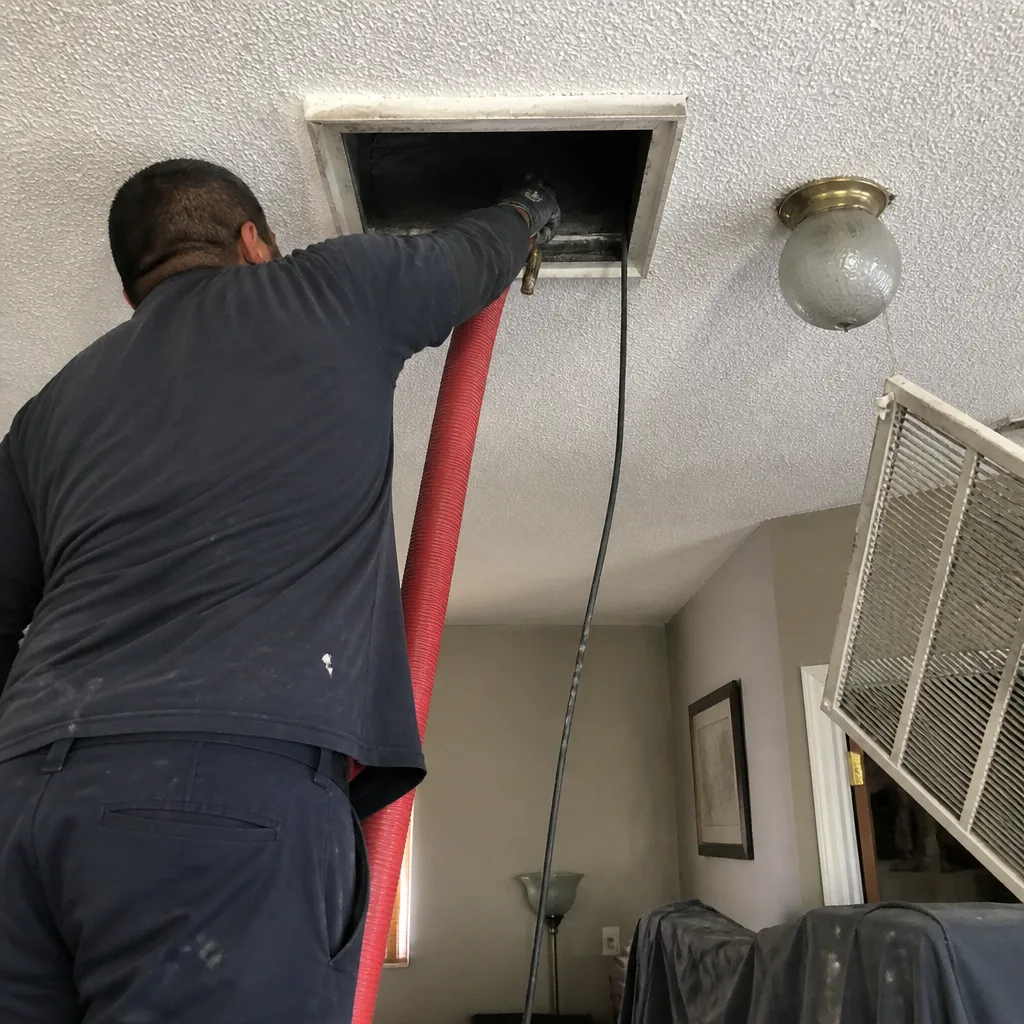 Before
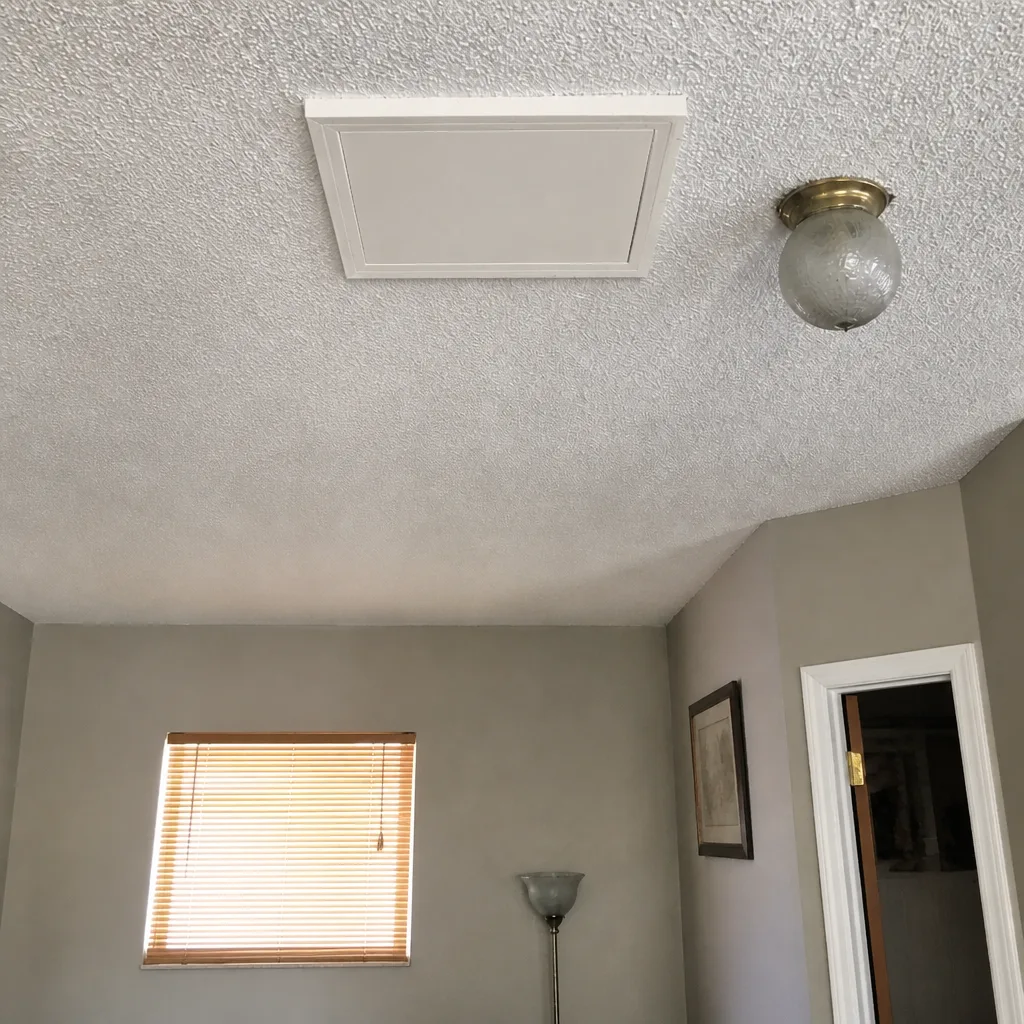 After
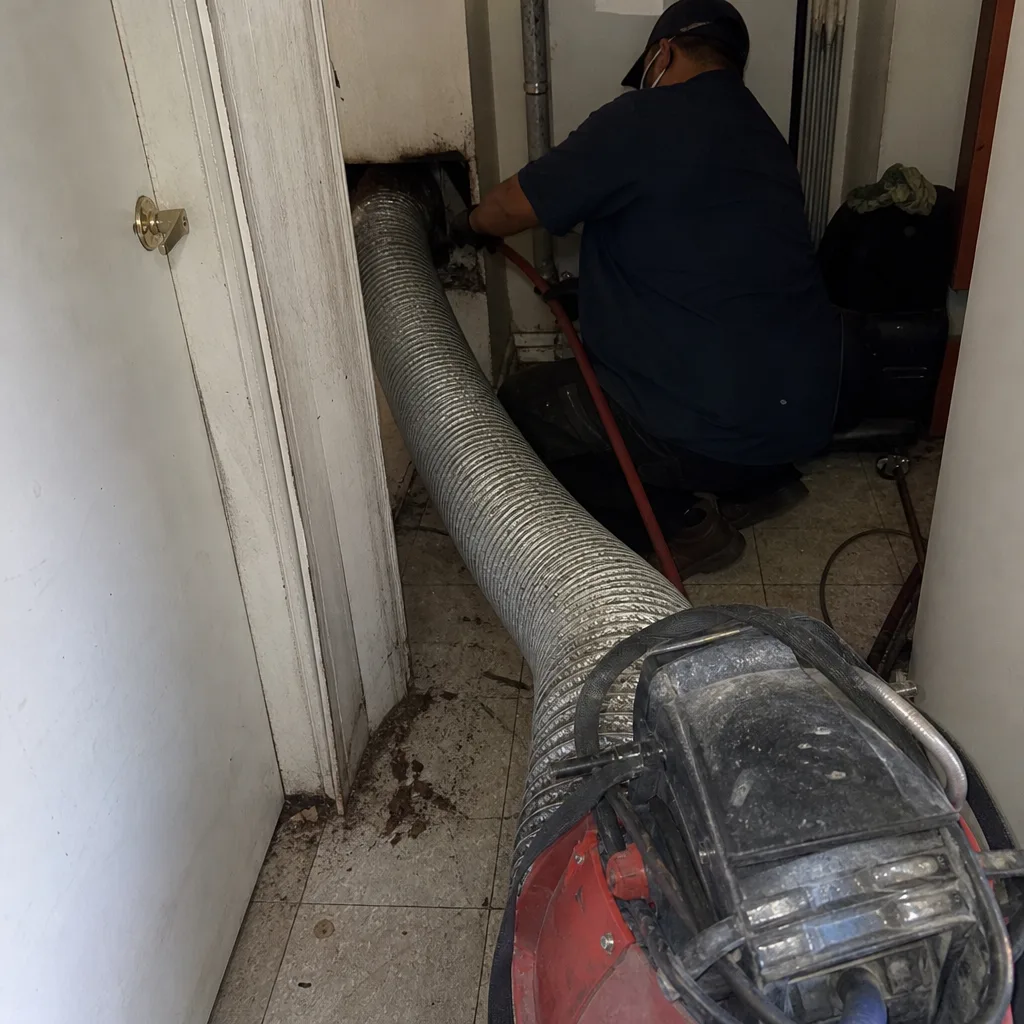 Before
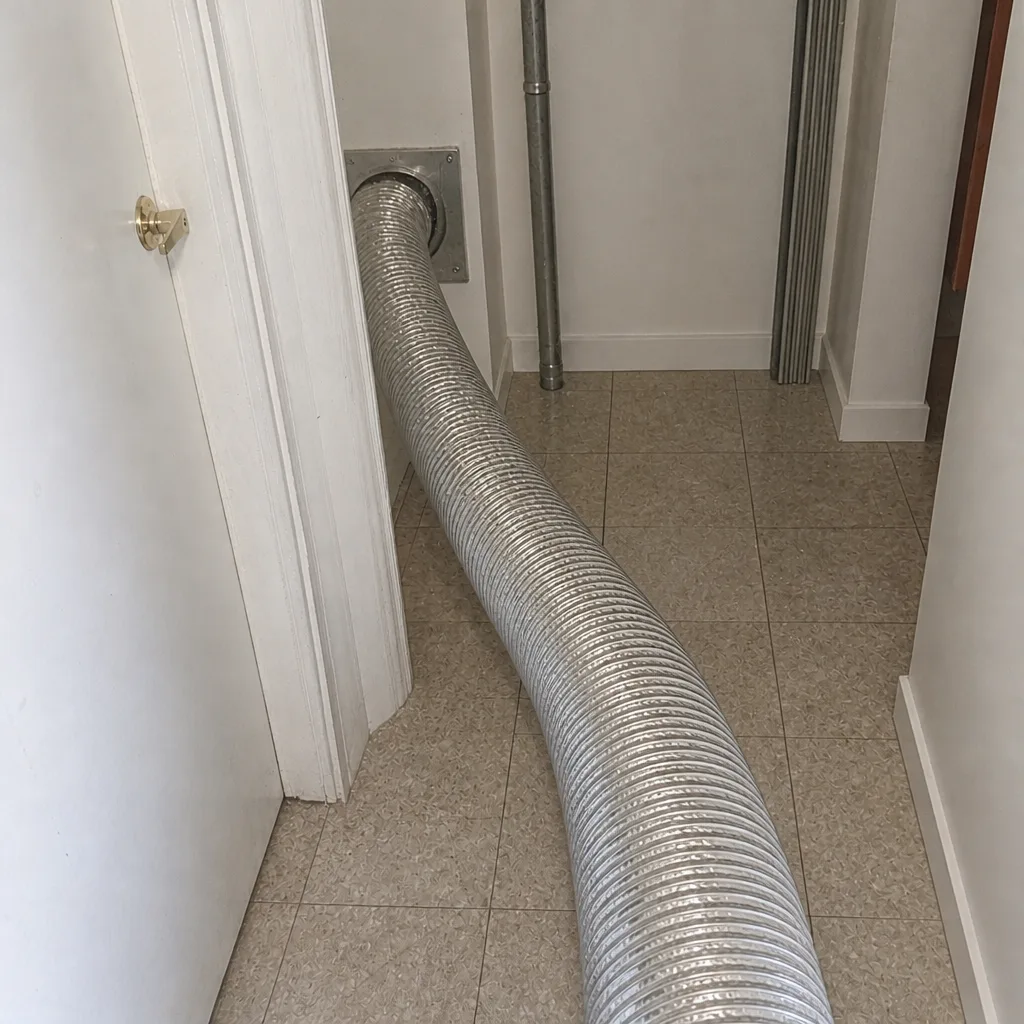 After
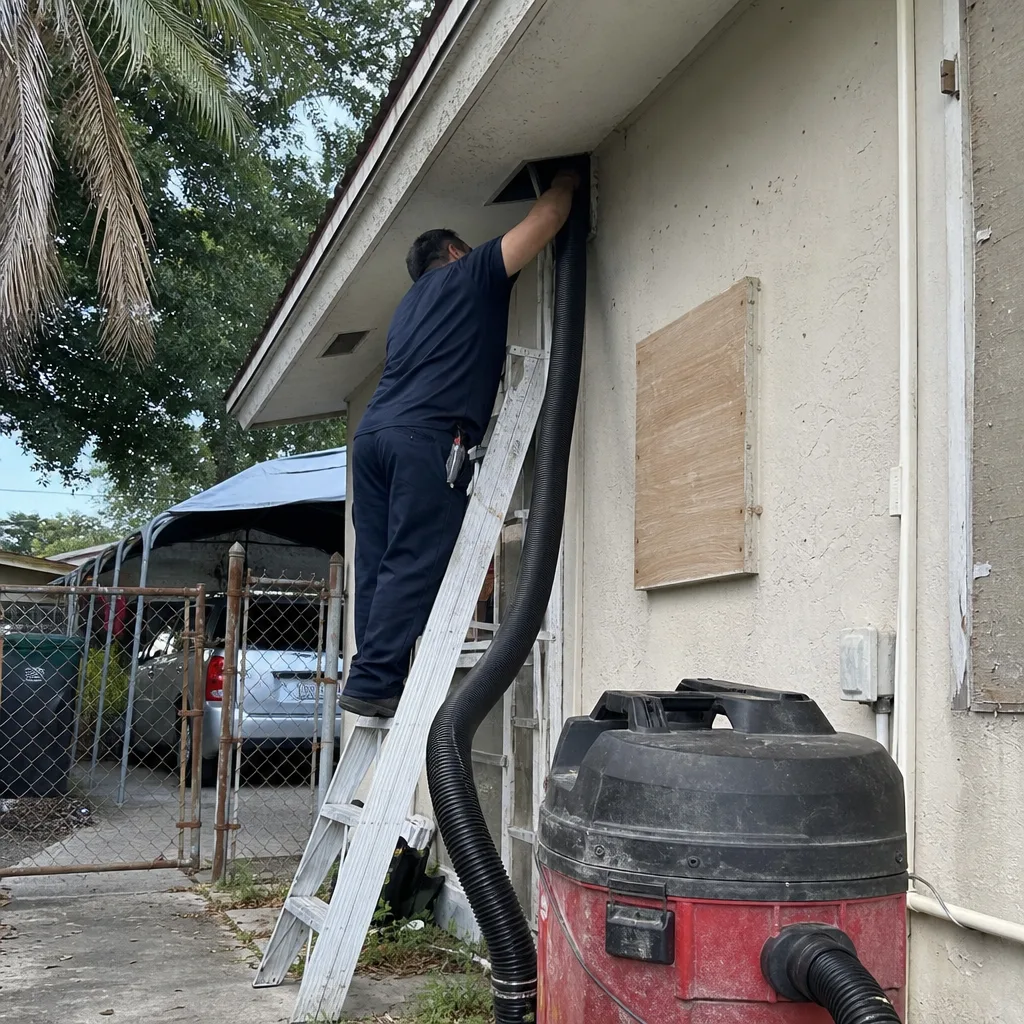 Before
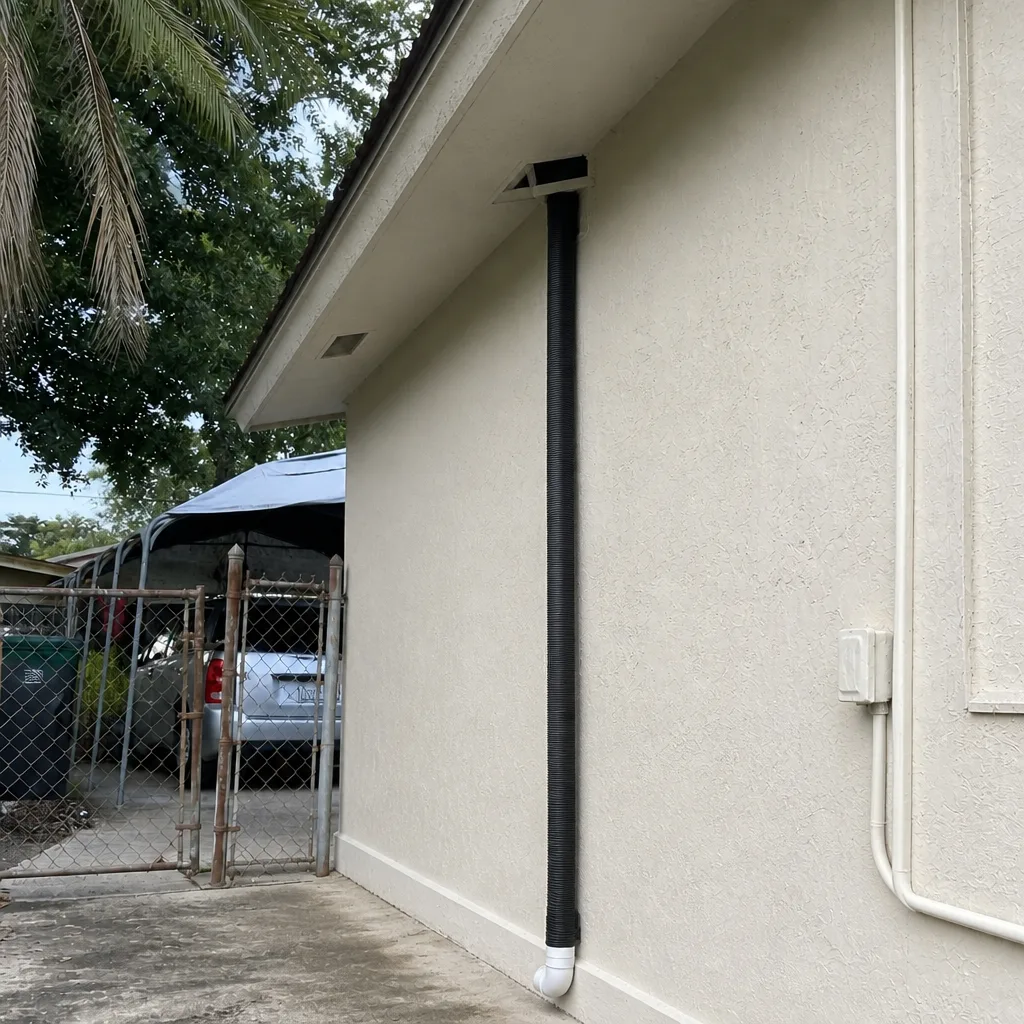 After
When to Call a Professional
Some situations call for a licensed professional without much debate. If a duct run is visibly disconnected, if a section has collapsed or been crushed by a falling appliance, if you’re seeing daylight through a duct joint in the attic, or if your system serves more than one unit, call and get it assessed. The same goes for any system that hasn’t been cleaned in years and is now producing a smell or visible debris at the registers. And if a contractor has already told you a section needs replacing, get a second opinion that includes the permit question.
Oasis Air Duct offers free estimates in Miami Gardens. Call (833) 384-3692. We answer 24/7. Fast dispatch from 7am to 7pm, Sunday through Friday. The price is set per job by the written estimate, and that estimate is free.
Frequently Asked Questions
No. Routine air duct cleaning in Miami Gardens is maintenance and does not require a permit. Permit requirements start when the work changes the duct system itself – replacing sections, altering routing or size, or applying chemical treatments. If you’re only having the system cleaned, there’s no permit to pull.
In most cases, yes. Replacing duct sections is an alteration to the mechanical system, and Miami-Dade County generally requires a permit and an inspection for that work, performed by a licensed mechanical contractor. Confirm the specifics with the county before work begins, because the scope of the replacement matters. Call (833) 384-3692 for a free estimate if you’re facing a repair.
No. Chemical and biocide application inside ductwork is regulated separately from mechanical cleaning, and the contractor needs the appropriate state credential and an EPA-registered product labeled for HVAC use. Ask for the product name, the label, and the license before agreeing. A contractor who can’t answer those questions should not be applying anything inside your ducts.
Use Miami-Dade’s online permit portal, which is free and searchable by address, contractor name, or permit number. Search your own address first to see any open items, then search the contractor to review their permit history. Look for consistent history, passed inspections, and an absence of expired permits.
Not override, but add to. HOAs and condo associations can restrict scheduling, contractor access, chemical use, and documentation requirements independently of county code. In multi-unit buildings, ducts passing through shared spaces can be common elements, which may require board approval on top of a permit. Ask your association for its contractor rules in writing before you book.
The permit history follows the address, not the owner. Unpermitted work from a previous owner can surface during a sale inspection, a refinance, or an insurance claim, and you may be the one resolving it. Check your address on the county portal before you schedule new work. It’s the fastest way to know what you’re inheriting.
The Bottom Line
Most air duct cleaning in Miami Gardens needs no permit. Duct repairs and replacements usually do, and the moment a contractor starts replacing sections, applying chemicals, or working in a multi-unit system, the regulatory picture changes. Verify the license. Ask about the permit in plain language. Check the county portal before you sign. And if the answer you get is vague, treat that as an answer. A company that knows the rules can explain them without effort. One that doesn’t is telling you something important.
Call Miami Gardens‘s duct specialists at Oasis Air Duct at (833) 384-3692 for a free estimate. We answer 24/7. Fast dispatch from 7am to 7pm, Sunday through Friday. One flat price per system, agreed before work starts, with before-and-after photos of your own ducts so you know the work was actually done.
Written by the team at Oasis Air Duct, serving Miami Gardens since 2013.